A Buyer's Guide to Chevrolet Traverse Reliability
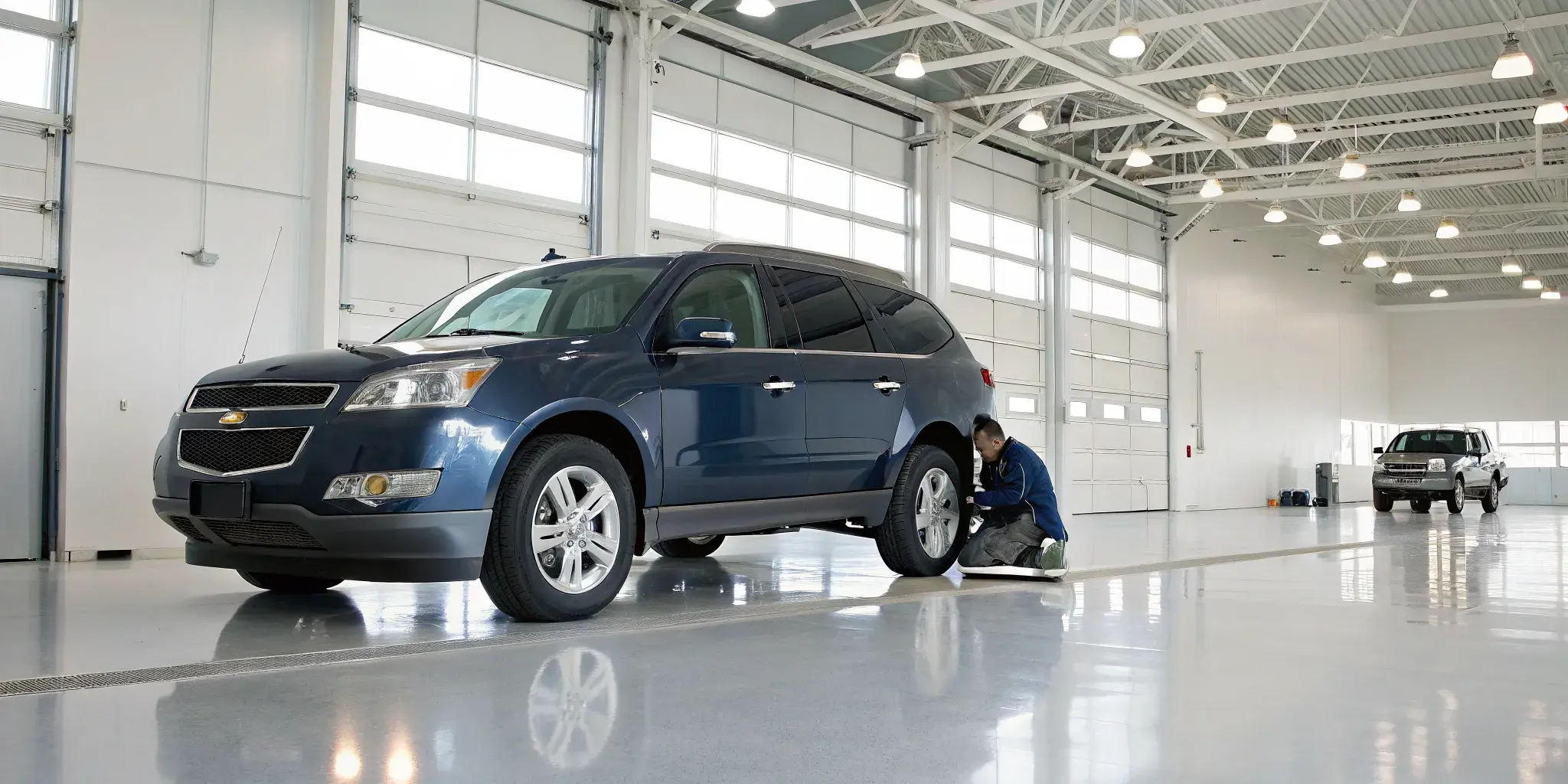
The Chevrolet Traverse is one of the most spacious SUVs you can buy, but it also comes with a mixed reputation that can make buyers hesitate. We’re here to give you a clear, honest look at the real story behind this popular family vehicle. What are the most common problems you should know about? Which model years are the safest bet for long-term ownership? We'll cover everything that impacts Chevrolet Traverse reliability, from its official ratings to real-world repair costs, giving you the confidence to decide if it’s the right fit for your family’s needs.
Key Takeaways
- Prioritize Newer Model Years: For the best ownership experience, focus your search on Chevrolet Traverse models from 2018 and newer. These later versions show significant improvements in reliability, especially concerning the engine and transmission issues that were more common in the 2009-2012 model years.
- Understand the Trade-Off: The Traverse provides fantastic interior space for families and cargo, but it comes with average reliability ratings for its class. Acknowledge that while it's a durable vehicle, budgeting for consistent maintenance is essential for long-term dependability.
- A Pre-Purchase Inspection is Crucial: Before buying any used Traverse, a thorough inspection is your best tool. Pay close attention to the transmission's performance during a test drive, listen for any unusual engine noises, and always review the vehicle's service history to make a confident and informed decision.
How Reliable Is a Chevrolet Traverse?
When you’re looking for a family-sized SUV, reliability is probably at the top of your list. You need a vehicle you can count on for school runs, road trips, and daily commutes around Fredericksburg. The Chevrolet Traverse is a popular choice for its spacious interior and comfortable ride, but how does it hold up over time? The answer often depends on the model year, but looking at overall ratings and common costs can give you a clear picture of what to expect from ownership.
What Are Its Reliability Ratings?
Let's get straight to the numbers. RepairPal gives the Chevrolet Traverse an "Average" reliability rating of 3.0 out of 5.0. In the world of midsize SUVs, it lands in the 22nd spot out of 26 vehicles in its class. While this rating might seem a bit low, it’s important to understand the details. The Traverse doesn't necessarily break down more often than other cars, but when a repair is needed, it has a slightly higher chance of being a more serious issue. This is good information to have as you weigh your options against other midsize SUVs.
How Does It Stack Up Against Other Midsize SUVs?
The Traverse really shines when it comes to interior space and towing capacity. If you’re comparing it to competitors like the Toyota Highlander or Honda Pilot, you’ll notice the Traverse often provides more room for passengers and cargo. While the Highlander and Pilot are famous for their long-term durability, the Traverse holds its own, especially in newer models. Experts suggest focusing on model years 2020 or newer for the best reliability. This makes the Traverse a solid contender if you need a spacious, powerful vehicle for your family and are mindful of choosing a well-maintained, recent model year.
What to Expect for Repair Costs
Budgeting for maintenance is a smart move for any car owner. The average annual repair cost for a Chevrolet Traverse is around $656, which is considered average across all vehicle models. This is slightly higher than the average for midsize SUVs ($573), but not by a huge margin. The key thing to note is that Traverse repairs have an 18% probability of being severe, compared to the 13% average for its class. Knowing this upfront can help you prepare. Investing in automotive protection plans can also provide peace of mind by helping cover unexpected major repairs down the road.
How Long Will a Chevrolet Traverse Last?
When you’re investing in a family-sized SUV, you want to know it’s going to be with you for the long haul. Longevity isn’t just about mileage; it’s about reliability and predictable costs over the years. The good news is that the Chevrolet Traverse is built to be a lasting part of your family’s adventures, especially when you know what to look for and how to care for it. With proper maintenance, this is a vehicle that can handle years of school runs, road trips, and daily commutes around Fredericksburg. Let’s break down what you can realistically expect in terms of its lifespan and the costs associated with keeping it on the road.
How Many Miles Can You Expect?
With consistent and proper care, a Chevrolet Traverse can reliably last for 200,000 miles or even more. This impressive lifespan makes it a durable and practical choice for anyone needing a vehicle that will stand the test of time. Reaching that 200,000-mile mark isn’t a matter of luck; it’s a result of diligent maintenance. Following the recommended service schedule for oil changes, fluid checks, and other routine upkeep is key. When you’re looking at pre-owned models, a clear service history is a great sign. Finding a well-maintained Traverse means you’re investing in a vehicle with many more years of dependable service ahead, making it a smart choice from our selection of used SUVs.
Understanding the Warranty
When buying a used vehicle, the original manufacturer's warranty has often expired. That’s why it’s more important to understand the vehicle’s general reliability and potential repair costs. The Traverse holds an "Average" reliability rating of 3.0 out of 5.0 from RepairPal, with an average annual repair cost of about $656. This rating doesn't mean it needs repairs more often than other SUVs, but it suggests that when a repair is needed, it can be more significant. For added peace of mind, you can consider vehicle protection plans that help cover unexpected repair bills. These plans can be a great way to manage your budget and protect your investment, ensuring you can enjoy your Traverse without worrying about surprise costs.
The Best and Worst Chevrolet Traverse Model Years
Not all model years are created equal, and this is especially true for the Chevrolet Traverse. Knowing which years had the best track record can save you from future headaches and repair bills. By focusing your search on the most reliable models, you can get all the space and comfort the Traverse offers with added peace of mind.
Best Model Years to Buy (2018–2023)
When you're looking for a dependable family hauler, focusing on the right model years is key. For the Chevrolet Traverse, the sweet spot is generally from 2018 to 2023. These later models, especially those from 2020 onward, show significant improvements in reliability. With proper maintenance, a Traverse from this era can easily surpass 200,000 miles, making it a long-term partner for your family's adventures. They offer the generous cabin space the Traverse is known for, combined with much better dependability than their predecessors. If you prioritize peace of mind alongside room for everyone and everything, these are the years to target in your search for a quality used SUV.
Model Years to Approach with Caution (2009–2012)
While the first-generation Traverse offered impressive space, the earliest models from 2009 to 2012 earned a reputation for some significant mechanical problems. The most commonly reported issues involve the engine and transmission. Owners have noted problems with timing chains and, in some cases, transmission failure or rough shifting. While not every vehicle from this period will have these issues, the risk is higher. If you are considering a Traverse from one of these years, a very thorough pre-purchase inspection by a trusted mechanic is absolutely essential. It’s wise to be aware of this history so you can make a fully informed decision and avoid unexpected, costly repairs down the road.
Key Improvements in Later Models
The good news is that Chevrolet paid attention to customer feedback and worked to resolve the issues that plagued early models. Later generations of the Traverse feature key improvements, particularly to the engine and transmission. Starting with the 2018 redesign, many of the most serious concerns were addressed, leading to a much more reliable vehicle. While any used car can have minor issues, the widespread mechanical problems of the first generation are far less common in newer Traverses. This is why we focus on sourcing the most dependable vehicles for our customers. Our commitment to quality is why over 500 drivers have left us five-star reviews, and it starts with choosing the right cars from the start.
What Are the Most Common Chevrolet Traverse Problems?
Every used car has a story, and being a savvy buyer means knowing which questions to ask. The Chevrolet Traverse is a solid SUV, but like any vehicle, certain model years have known issues. Understanding these common problems helps you inspect a potential car with confidence and know exactly what to look for. It’s not about finding a flawless vehicle; it’s about finding the right, well-maintained one for you. At Auto Fanatics, we meticulously inspect every vehicle, but we want you to feel empowered throughout your search for a used car in Fredericksburg.
Common Problems in Early Models
If you're looking at a first-generation Traverse, particularly from the 2009 to 2012 model years, there are a few well-documented issues to be aware of. These early models were more prone to transmission trouble and issues with the engine's timing chain. While these problems can be significant, they are also widely recognized. This means a thorough pre-purchase inspection can often spot any warning signs. Knowing this history allows you to focus your attention on the most critical components during a test drive and inspection, ensuring you make an informed choice.
Engine and Transmission Concerns
The most talked-about issues in early Traverse models revolve around the powertrain. Some owners of the 2009-2012 models reported transmission problems ranging from rough or delayed shifting to outright failure. For the engine, the timing chains could stretch or wear prematurely, often creating a distinct ticking noise upon startup or acceleration. While these sound serious, remember that many Traverses on the road never experienced these failures. The key is to listen carefully during your test drive and consider a professional inspection, which we perform on all our vehicles.
Electrical and Suspension Issues
Beyond the engine and transmission, some Traverse owners have noted less critical but still annoying problems. You might come across reports of electrical glitches, which can affect anything from the air conditioning and power windows to the infotainment system. It's always a good idea to test every button and switch you can find. Additionally, as with any vehicle, suspension components like struts and shocks wear out over time. If the ride feels overly bumpy or you hear clunking noises over bumps, the suspension may need some attention.
How Later Models Addressed These Problems
Here’s the good news: Chevrolet took this feedback seriously. When the Traverse was redesigned for the 2018 model year, significant improvements were made to address the reliability concerns of the first generation. The engine and transmission issues are far less common in models from 2018 and newer. If the potential problems of the early models make you hesitant, focusing your search on these later-model SUVs is a great strategy. You’ll get a more refined vehicle that has benefited from years of real-world testing and engineering updates.
Is the Chevrolet Traverse a Good SUV for Your Family?
Beyond the numbers and reliability ratings, the most important question is whether a vehicle fits your life. For many families in Fredericksburg, the Chevrolet Traverse seems like a perfect match on paper. It’s big, it’s American-made, and it has room for everyone and everything. But is it the right choice for you? Let’s look at how its features stack up against its long-term ownership realities.
A Look at Safety and Family Features
If you have a growing family, car seats, and sports gear to haul, the Traverse is definitely worth a look. One of its biggest selling points is its incredibly spacious interior. Owners often praise its family-friendly design, which makes it a strong contender for anyone who needs plenty of room to breathe. With three rows of seating, it can feel more like a minivan inside than a typical SUV. When you're looking at used models, you'll find that newer Traverses come equipped with the modern safety features you'd expect, giving you extra peace of mind on the road. You can explore our current inventory of spacious SUVs to see what fits your family's needs.
Is the Traverse the Right SUV for You?
So, what’s the catch? While the Traverse offers amazing space, its reliability ratings are something to consider. It ranks lower than many other midsize SUVs, and data shows it has a slightly higher chance of needing a major repair compared to its competitors. This doesn't mean you should cross it off your list, but it's important to go in with your eyes open. With consistent maintenance, a Traverse can be a dependable vehicle that lasts for many years. For extra security, you might consider one of our automotive protection plans, which can help cover unexpected repair costs and make ownership more predictable.
How to Keep Your Chevrolet Traverse Running Strong
Once you’ve found the perfect Chevrolet Traverse, you’ll want to keep it running smoothly for years to come. The good news is that a little proactive care goes a long way. Staying on top of routine maintenance is the single best thing you can do to ensure your SUV remains a reliable partner for all your family’s adventures. By following a simple schedule, you can prevent major issues, improve performance, and protect your investment.
Stay on Top of Oil Changes and Fluids
Think of regular oil changes as the foundation of your Traverse's health. Fresh oil keeps the engine lubricated, clean, and cool, which is essential for its longevity. As a general rule, plan to get the oil changed every 7,500 miles or every six months, whichever comes first. If you frequently drive in tough conditions, like heavy stop-and-go traffic or extreme temperatures, you might want to do it more often. While you’re at it, make sure other vital fluids like coolant, brake fluid, and power steering fluid are at the right levels. These fluids are critical for preventing overheating and ensuring your brakes and steering work correctly.
Maintain Your Tires, Brakes, and Suspension
Your tires, brakes, and suspension work together to give you a safe and comfortable ride. To get the most out of your tires and improve handling, rotate them every 6,000 to 8,000 miles and have the alignment checked periodically. For your safety, have your brakes inspected at least once a year. Catching worn brake pads early can save you from more expensive repairs later on. Over time, you might notice the ride getting a bit rougher. This is often due to normal wear on suspension parts, which is expected as a vehicle ages. Our available automotive protection plans can help cover unexpected repairs for these key components.
Don't Ignore Recalls
Occasionally, a manufacturer will issue a recall to fix a known issue with a specific model. It’s important to take these seriously. Addressing a recall is not only free at a certified dealership, but it also prevents a small problem from turning into a major safety concern or a costly repair. You can easily check for any open recalls on your vehicle using your VIN on the National Highway Traffic Safety Administration (NHTSA) website. At Auto Fanatics, our commitment to transparency is why our customers trust us, and we believe that being an informed owner is part of what makes car ownership great. You can learn more about our values and why we have over 500 five-star customer reviews on our site.
What to Check Before Buying a Used Chevrolet Traverse
You’ve done your homework, you know which model years to look for, and you’re ready to find your next SUV. Now comes the most important part: inspecting the vehicle in person. Going in with a plan helps you focus on what matters and ensures you don’t miss any potential red flags. A thorough check can be the difference between driving home in a reliable family vehicle and inheriting someone else's problems. Think of it as your final confirmation that you’re making a great choice. This step empowers you to buy with confidence, knowing you’ve looked at the Traverse from every angle.
Your Pre-Purchase Inspection Checklist
Walking up to a used car can feel a little overwhelming, but a simple checklist will keep you on track. When you’re looking at a Traverse, pay special attention to these areas:
- The Test Drive is Key: The Traverse is known for a smooth ride, so be alert for anything that feels off. Pay close attention to the transmission. Does it shift smoothly, or do you feel any hesitation or clunking? Listen for unusual noises from the engine or suspension as you drive over different road surfaces.
- Check Under the Hood: Even if you aren’t a mechanic, you can spot major issues. Look for any visible fluid leaks on the engine or on the ground beneath it. Check the oil and transmission fluid; they should be clean and not smell burnt.
- Exterior and Interior Walk-Around: Inspect the body for signs of rust or mismatched paint, which could indicate a past accident. Inside, test all the electronics, from the infotainment screen to the power windows. Make sure the air conditioning blows cold.
- Get a Professional Opinion: Always ask for a vehicle history report. For ultimate peace of mind, we recommend having an independent mechanic perform a pre-purchase inspection. They can spot underlying issues you might miss.
Find Your Reliable Used Traverse in Fredericksburg, VA
Doing your own inspection is smart, but buying from a dealership that prioritizes quality from the start makes the whole process easier. At Auto Fanatics, we take the guesswork out of buying a used SUV. Every vehicle on our lot, including our selection of Chevrolet Traverses, goes through a meticulous inspection process to ensure it meets our high standards for safety and reliability. We handle the heavy lifting so you can focus on finding a vehicle that fits your family’s needs.
Our no-pressure approach and transparent process have earned us more than 500 five-star reviews from customers right here in the Fredericksburg area. We invite you to browse our current inventory of high-quality SUVs online. When you find a Traverse you love, you can easily get pre-qualified for financing and visit us for a stress-free test drive.
Related Articles
- The Best Spotsylvania Used SUV Deals (2026 Guide)
- 8 Spacious SUVs for Families: Top Picks for 2026
- 12 Best Affordable Family SUVs for Any Budget
- Your Guide to Shopping for the Perfect Used SUV
Frequently Asked Questions
So, should I actually buy a Chevrolet Traverse? It really depends on what you value most. If your top priority is maximum interior space for your family and cargo, the Traverse is one of the best options available. The key is to be a smart shopper. By focusing on newer models (2018 and later) and ensuring the vehicle has a clear service history, you can get a spacious and dependable SUV that’s perfect for your needs.
I found a great deal on an older Traverse, like a 2011 model. Is it too risky? A low price can be very tempting, but it's important to know that those early models have a well-documented history of potential engine and transmission issues. This doesn't mean every single one will have problems, but your risk is certainly higher. If you're seriously considering an older model, a comprehensive inspection by a trusted mechanic is absolutely essential to avoid unexpected and costly repairs down the road.
How does the Traverse's interior space compare to a Honda Pilot or Toyota Highlander? This is where the Traverse truly shines. When it comes to third-row legroom and cargo capacity, the Traverse often provides noticeably more space than competitors like the Pilot and Highlander. If you've test-driven other three-row SUVs and felt they were just a bit too tight for your family or gear, the roomy feel of the Traverse might be exactly what you're looking for.
What is the most important thing to check during a test drive? Pay very close attention to the transmission's performance. While driving, notice how the vehicle shifts gears during both acceleration and deceleration. The shifts should feel smooth and almost unnoticeable. Any kind of jerking, hesitation, or clunking sounds could be a red flag for potential transmission problems, so it's a critical part of the evaluation.
How can I be sure a used Traverse will be reliable? The best approach is to combine your research with careful shopping. Start by targeting the more reliable model years (2018 and newer) in your search. Next, always review the vehicle history report for any car you consider. Finally, buying from a reputable source makes a huge difference. A dealership that performs a thorough inspection on every vehicle, as we do, helps ensure you're starting with a quality car from the very beginning.