Best Acura Deals: How to Evaluate a Used Acura
Finding the best acura deals takes more than sorting listings by price. Compare the vehicle’s age, mileage, trim, condition, available service information, and likely ownership costs together so you can judge whether an option fits your needs and budget.
Browse available vehicles in Fredericksburg
What makes one of the best Acura deals?
A good deal is not necessarily the least expensive listing. It is an option whose price, condition, equipment, and likely costs make sense for the way you plan to use it. A low asking price may reflect factors you need to examine, while a higher price may include equipment or a condition that matters to you. Neither number tells the full story on its own.
Set a few priorities before comparing vehicles. Decide how much you can spend overall, what kind of space you need, which features are essential, and how you expect to use the car. A sedan may fit a commute and everyday parking, while an SUV may be a better match for passengers or cargo. Browse the available used cars as one point of reference, then compare the specific Acura vehicles that fit your routine.
It also helps to separate must-haves from preferences. For instance, you might need enough room for a regular passenger, but only prefer a certain interior finish. That distinction keeps a desirable feature from taking attention away from more important questions about condition, price, or total budget.
- Price: Record the advertised amount and ask which fees or terms affect the final figures.
- Age and mileage: Consider both together instead of treating either one as a complete measure of condition.
- Trim and equipment: Verify what is on the specific vehicle rather than relying only on a model or trim name.
- Condition and documentation: Review what you can see and ask what service or vehicle information is available.
- Ownership fit: Consider insurance, fuel, upkeep, financing, and your own driving needs.
Use the same criteria for every candidate. A comparison is more useful when you do not change the standard from one listing to another just because one vehicle has a feature you like or a price that initially catches your eye.
How should you compare Acura prices, age, and mileage?
Start with vehicles that are reasonably similar in model, year, trim, and equipment. Comparing an SUV with a sedan may help you decide which type suits you, but it will not tell you whether one is competitively priced against the other. For a price comparison, try to line up vehicles with similar features and use differences in mileage or condition as points to investigate.
An academic paper on used-car attributes and market prices examines how characteristics of a vehicle relate to its price. That is a useful reminder to compare the vehicle as a whole, rather than treating one number as the only measure of value. See the study of used-car attributes and price for its discussion of vehicle attributes and valuation.
Mileage is one part of the comparison, not a verdict about how a vehicle was driven or cared for. A lower reading does not guarantee that the car is the better choice, and a higher reading does not reveal its condition by itself. Look at mileage alongside age, visible wear, available documentation, the way the car drives, and the asking price.
| Comparison point | What to record | Question to ask |
|---|---|---|
| Price | Advertised amount and any disclosed fees or terms | What figures should I include when comparing the complete offer? |
| Age and mileage | Model year and odometer reading together | How does this vehicle compare with similar options? |
| Trim and equipment | Features on this specific vehicle | Can I confirm the equipment I plan to use? |
| Condition | Visible interior, exterior, tires, and driving observations | What concerns should I review or ask about? |
| Ownership budget | Financing, fuel, insurance, and upkeep estimates | Does the full cost fit my budget, not just the payment? |
Make a short comparison sheet with one row for each listing. Include the link or vehicle description, price, mileage, model year, trim, key equipment, questions, and your next step. If one listing appears to stand out, note why. “Lower price” is not a complete reason unless you have also considered what differs between the vehicles.
For example, imagine two similar-year Acura SUVs with close asking prices. One has fewer miles, while the other has equipment you prefer and a clearer answer to a question you noted. First check that the models and trims are truly comparable, then record the differences instead of deciding from the odometer alone. If you cannot confirm a feature, mark it as unknown until you have checked the specific vehicle. This simple method turns a vague impression into a list of items you can verify.
Keep estimates and confirmed facts separate in your notes. You might label the listed price and odometer reading as confirmed, while marking insurance cost or future upkeep as something to investigate. That distinction helps prevent a guess from becoming a deciding factor. It also makes follow-up conversations more focused because you can ask about specific unknowns rather than repeating the whole comparison.
The used Acura inventory page is a useful place to review the available selection. Inventory changes, so check the current details for an individual vehicle and confirm that it is available before planning a visit.
Which Acura model and trim fit your day-to-day needs?
Think first about the type of vehicle and space you need, then compare models and trims. A sedan and an SUV can serve different routines, so consider the passengers you usually carry, the cargo you regularly bring, where you park, and the roads you drive. Do not choose based on a name or a photo alone when a test drive can help answer practical questions.
For a sedan, check whether the seating position feels comfortable, whether you can see clearly in the directions you need, and whether the trunk works for your usual bags or equipment. For an SUV, consider getting in and out, loading cargo, parking in your regular spaces, and whether the size feels manageable on local streets. If you often drive on I-95, include the highway in your test route when practical, then spend time on the kinds of roads you use most.
Trim names can suggest differences in equipment, but do not assume a specific feature is present based only on the label. Confirm the actual equipment on the individual vehicle. Try controls you expect to use, check that they operate as intended, and ask about anything unclear in the listing.
Feature comparisons are clearest when you group items by importance. A useful list might include safety or driver-assistance features you value, comfort items you use daily, and convenience options that would be nice but are not essential. Confirm each item rather than treating a package or trim description as proof that it is fitted to that vehicle.
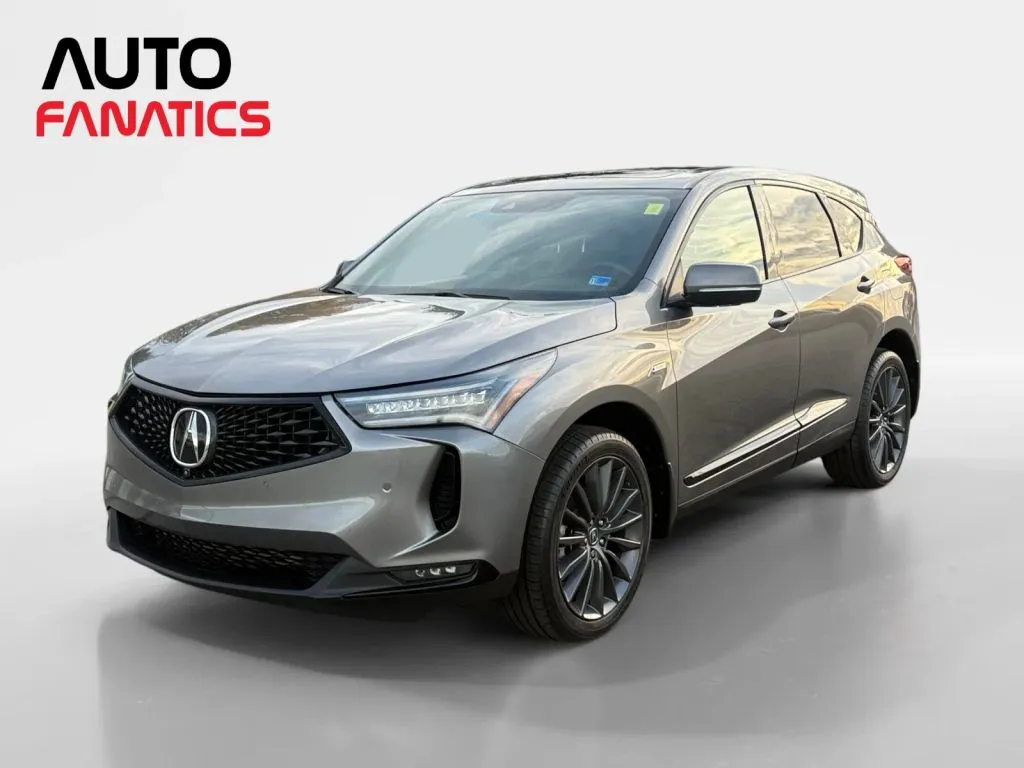
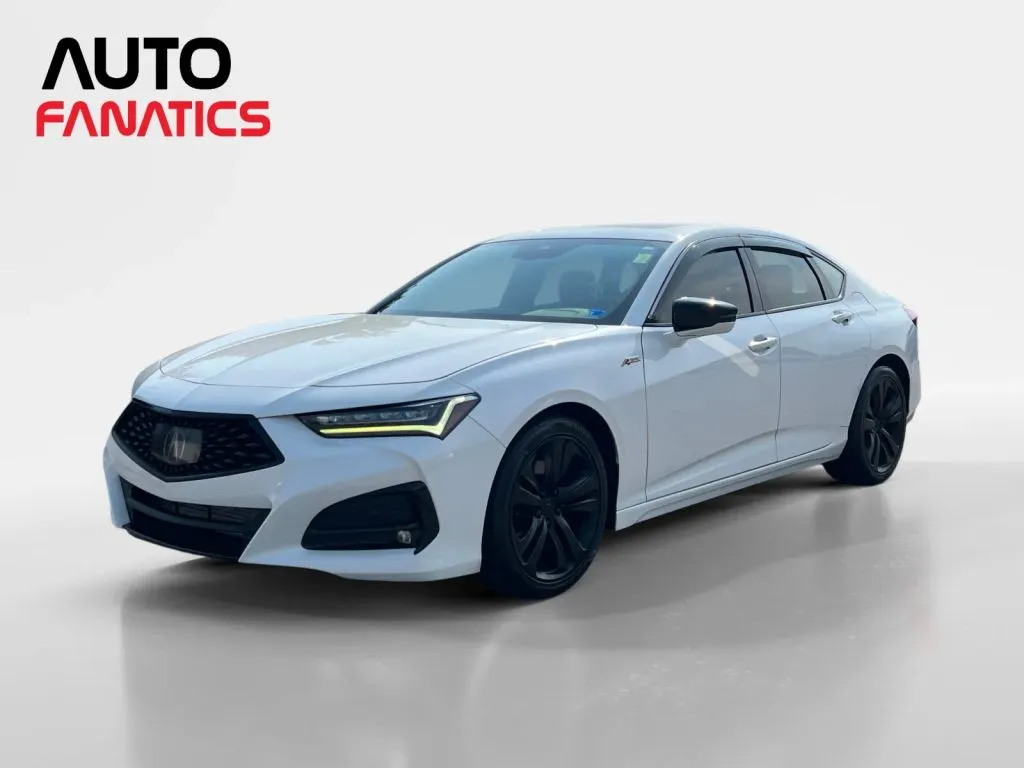
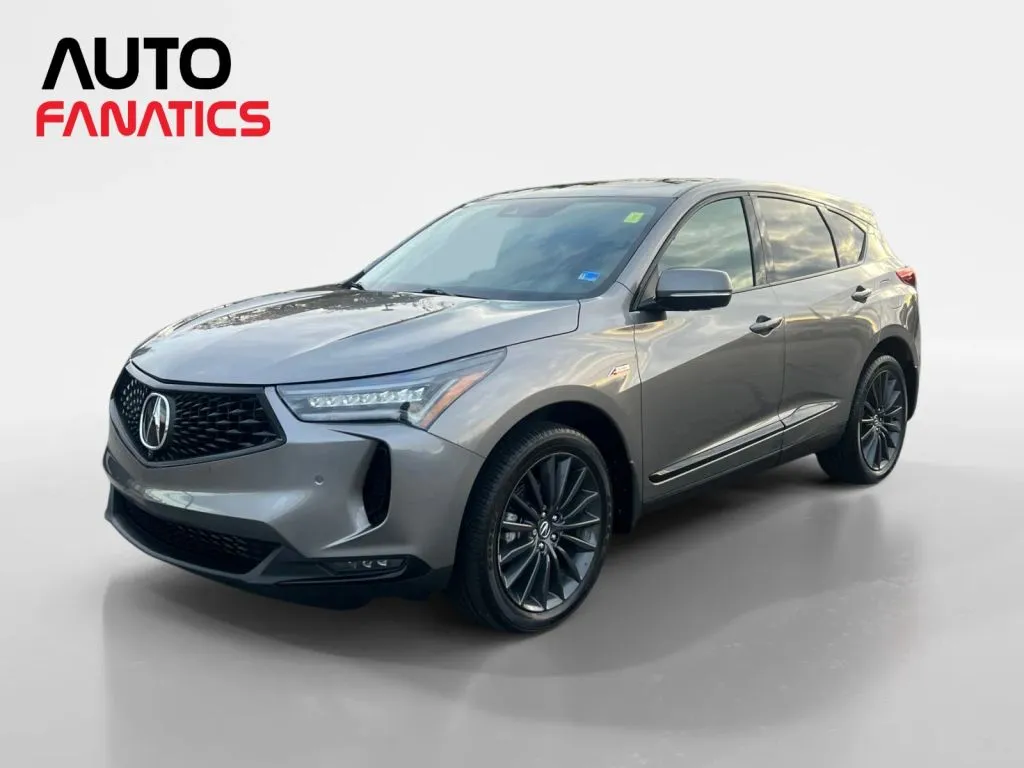
You can compare the broader Acura selection and look at model-specific listings such as the Acura TLX or Acura RDX. Those pages can help you see what is listed, but verify details on the individual vehicle because availability and equipment can vary.
How do you evaluate service information and condition?
Ask what service information or other vehicle documentation is available and take time to review it. Records can show documented work, but missing paperwork does not by itself prove that maintenance was skipped. If a date, repair, or interval is unclear, write down the question and ask for an explanation rather than filling in the gaps with an assumption.
Inspect the vehicle in good light and take a measured approach. Walk around the exterior and note visible damage, differences in paint or panel appearance, and anything that you want explained. Inside, check the seats, carpets, controls, windows, and storage areas for wear or damage that may affect your comfort or budget.
Look at the tires for visible damage or uneven wear, and check that lights and basic controls work. Turn on the climate system, adjust the seat and mirrors, and try the audio or connectivity features you expect to use. These checks do not replace a more detailed assessment, but they can help you identify questions to ask.
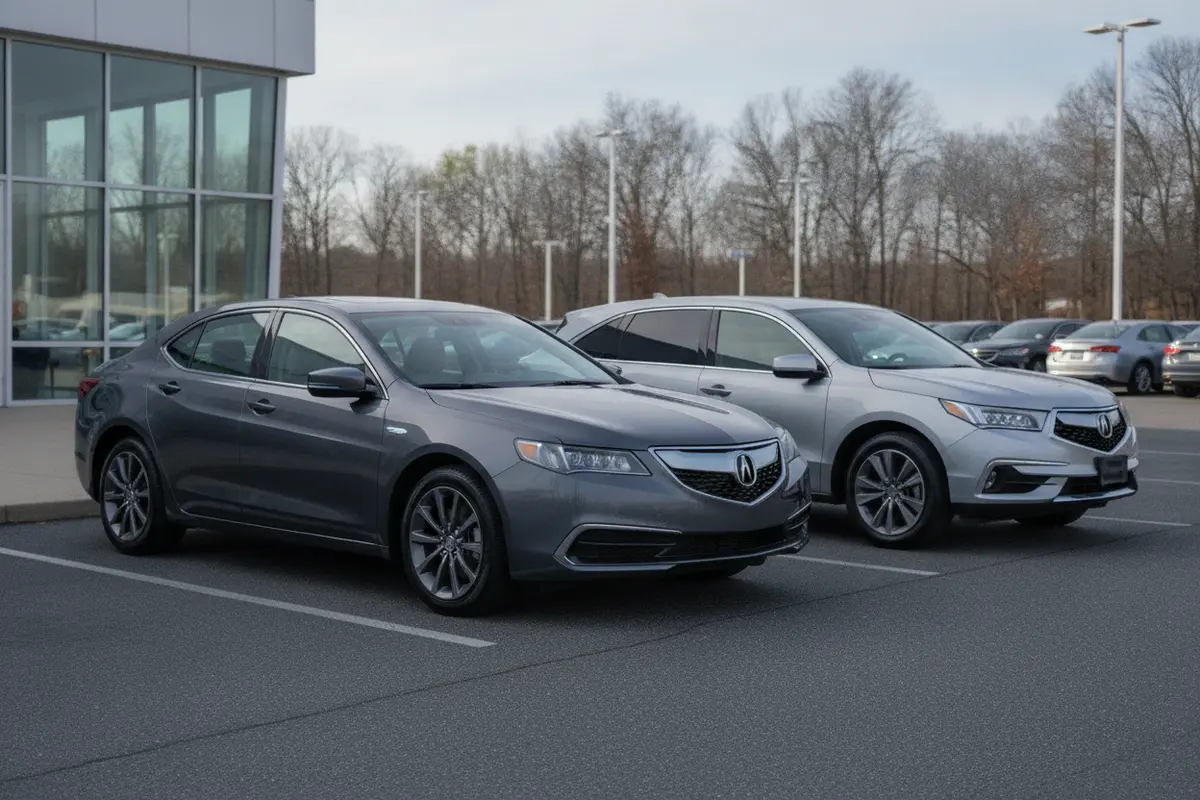
During a test drive, pay attention to how the vehicle starts, accelerates, brakes, steers, and feels over the road surface. Listen for sounds that are new or unexpected, and watch for warning lights. If something concerns you, pause and ask what it may indicate. You can ask whether an independent assessment by a qualified mechanic can be arranged and what that assessment would cover.
An independent assessment is an additional source of information, not a promise about future performance. Consider any findings with the vehicle’s condition, available records, price, and your own priorities. If a concern could affect your budget or willingness to buy, get enough information to make a considered choice before proceeding.
Try to avoid letting a pleasant drive substitute for a careful review. Take notes while the details are fresh, and compare the observations with your list afterward. If you are considering more than one vehicle, use the same walk-around and test-drive routine each time, so your notes are easier to compare.
It may help to divide the drive into a few parts. Before moving, adjust the seat and mirrors and check your view of the road. At low speed, notice steering feel, braking response, and whether basic controls are easy to reach. On a familiar road, consider comfort, noise, and how the vehicle responds when you accelerate or slow down. Do not try to test features while driving; focus on the road, then check settings when parked.
Afterward, write down what you noticed in plain terms, such as “brake pedal felt different from the other car” or “rear visibility works for me.” Avoid diagnosing a sound or sensation yourself. Your notes are prompts for a follow-up question, and a qualified professional can provide a separate assessment when appropriate.
What ownership costs belong in the comparison?
The purchase price is only one part of the budget. Think about how you will pay, what monthly amount is comfortable, and what other costs you expect to carry. Include insurance, fuel, routine upkeep, and a reasonable allowance for expenses that may not arrive on a fixed schedule.
When comparing financing, look beyond the monthly payment. Review the amount financed, annual percentage rate, loan length, total of payments, and any applicable fees or other terms. A smaller payment can result from a longer loan term, so compare the full obligation and consider how long you want to make payments.
Auto Fanatics offers financing solutions for a range of credit situations and Capital One pre-qualification. Pre-qualification can be an early way to explore financing, but it is not the same as a final approval or a guaranteed rate. Review the terms of any final offer and consider whether the payment and total cost work with your budget.
It can help to do a simple budget exercise before choosing. Write down your comfortable monthly transportation amount, then subtract estimates for insurance and fuel. Leave room for upkeep and unexpected costs instead of assigning every dollar to the loan payment. The amount left is a practical ceiling to discuss, not a reason to stretch beyond what feels manageable.
For example, suppose two vehicles have similar advertised prices but different mileage and equipment. Rather than deciding based on the payment estimate alone, compare the actual financing terms, get insurance information for each vehicle, consider how much fuel and upkeep fit your routine, and account for any condition questions. You may find that the less expensive listing is still a fit, or that the other option better matches your needs. The point is to evaluate the whole budget before deciding.
If you have a vehicle to trade, consider its value separately from the price of the Acura you are evaluating. Ask how any trade-in amount affects the figures, and make sure you understand each part of the transaction. Keeping purchase price, trade-in value, down payment, and financing terms distinct makes comparisons easier.
A practical way to compare offers is to write down the same set of figures for each one: the vehicle price, cash down, trade-in credit if applicable, amount financed, rate, loan term, and total payments. Use the exact terms presented to you, not an online estimate or a payment from a different scenario. If one offer changes when you adjust the down payment or loan length, make a separate line for that version. This makes it easier to see which figure changed and why.
Also think about timing and use. If your driving includes a long daily commute, fuel and comfort may weigh more heavily in your decision than they would for occasional short trips. If you often carry passengers or bulky items, fit and access may matter more than a feature you would rarely use. There is no universal weighting system; the useful comparison is the one that reflects your actual routine.
How can Fredericksburg-area shoppers compare listings efficiently?
If you are traveling from Spotsylvania, Stafford, Culpeper, Woodbridge, or King George, do some basic preparation before setting out. Confirm that the specific vehicle you want to see is still available, save its listing details, and gather the questions you want answered. If your trip uses I-95, allow enough time to review the vehicle without feeling rushed by the drive or your schedule.
A repeatable process helps whether you are comparing two vehicles or several. Use the following steps to move from browsing to a focused decision:
- Set a total budget. Decide what is comfortable for the purchase and ongoing costs before focusing on monthly payments.
- Choose a vehicle type. List the space, passenger, cargo, and driving needs that matter in your daily routine.
- Compare similar listings. Record model, year, trim, mileage, price, and confirmed equipment in one place.
- Ask for missing details. Clarify available service information, condition questions, features, fees, and financing terms.
- See and drive the vehicle. Use a consistent checklist and write down what you notice.
- Review the full numbers. Compare the complete offer and ownership budget, then consider any assessment findings before making a decision.
Give yourself room to pause between looking and deciding. A short break can help you see whether the vehicle still fits your priorities after the excitement of a test drive has passed. Revisit the notes, check that you have answers to the important questions, and make sure the figures you are comparing use the same assumptions.
Auto Fanatics describes its sales approach as transparent and no-pressure. The dealership has more than 500 five-star reviews, and you can read its customer testimonials for additional context. Reviews can inform your view of a buying experience, but evaluate the specific vehicle and the terms presented to you on their own merits.
For an efficient visit, bring your comparison notes and a short list of must-have features. You can browse the used-car listings before traveling and check directions to Auto Fanatics when planning your route. Confirm the vehicle’s status and details before relying on an online listing as a promise of availability.
What questions should you ask before choosing?
Specific questions help you compare vehicles fairly and avoid relying on assumptions. Ask for the details that affect the decision you are making, and take notes on the answers. If an answer is unclear, request clarification before signing or committing.
- What is the complete purchase figure, and what fees or terms are included?
- Which features and equipment are present on this specific vehicle?
- What service information or vehicle documentation is available for me to review?
- Can I arrange an independent assessment, and what would it cover?
- What financing terms are available, and how do the total costs compare?
- Can you explain a visible condition concern or something I noticed during the drive?
- How does a trade-in, if I have one, affect the figures shown?
It is reasonable to ask for time to review the figures. Confirm that you understand the price, any optional products or services you are considering, the financing terms, and any commitments before you agree. If a detail matters to your decision, make sure it is clear in the paperwork rather than relying on a verbal impression.
Use your notes to narrow the choice to the vehicle that best matches your needs, budget, and comfort with the information you have. No single comparison point decides the result. Price, condition, equipment, and financing all matter in different ways, and you are the one who decides which trade-offs are acceptable.
Explore the available inventory
Frequently Asked Questions
Are the lowest-priced Acura listings always the best value?
No. Compare the price with mileage, age, trim, condition, available information, equipment, and expected ownership costs. A lower price may still suit you, but only after you understand what differs and whether those differences matter to your needs.
Should I choose a used Acura with lower mileage?
Use mileage as one factor, not the sole test. Consider it with the vehicle’s age, condition, service information, equipment, and price. The right balance depends on your budget and how you plan to use the vehicle.
Can I ask for an independent vehicle assessment?
You can ask whether an independent assessment by a qualified mechanic can be arranged and what it would cover. Its findings can add information to your decision, but consider them alongside your own review, available documentation, and the terms of the sale.
How should I compare financing offers?
Compare the amount financed, annual percentage rate, loan term, total payments, and any applicable fees. A lower monthly payment may involve a longer term, so look at the full cost and choose an option that fits your budget.
When you compare each Acura using the same checklist, it is easier to weigh the complete offer instead of chasing one attractive number. Verify the details, ask the questions that matter to you, and choose the option that fits your needs and budget.