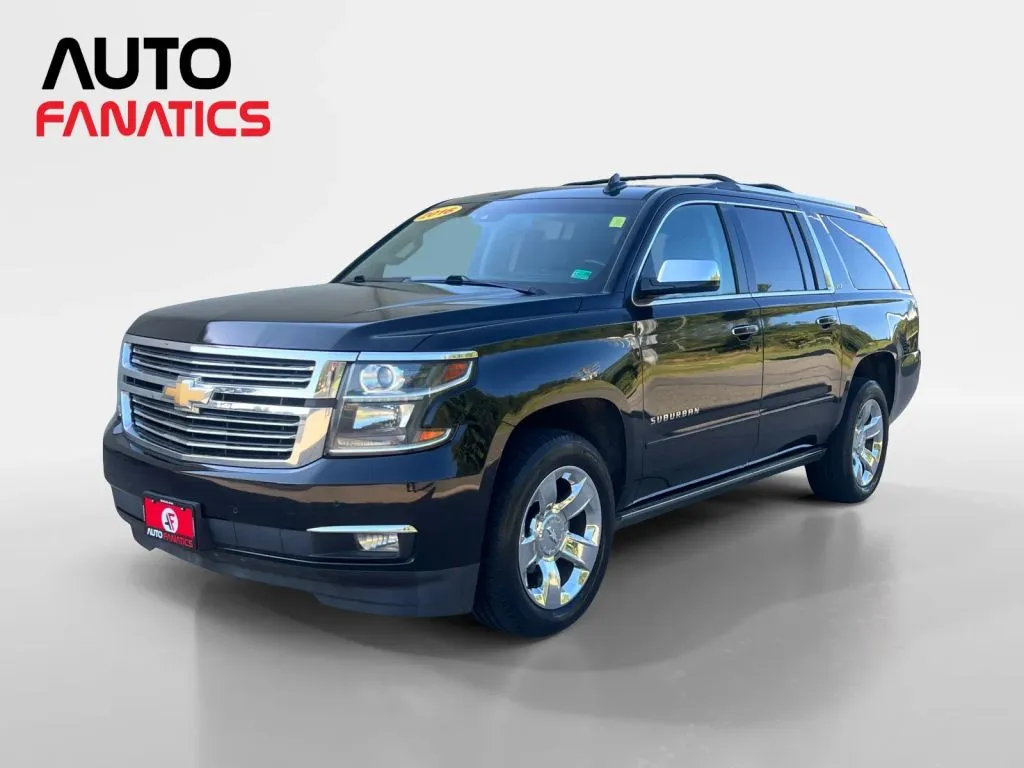
Chevrolet Suburban Financing: How to Budget for a Used SUV
Chevrolet Suburban financing is easier to evaluate when you look beyond the monthly payment. The vehicle price, amount borrowed, loan term, down payment, trade-in equity, credit history, and ownership costs all affect whether a used full-size SUV fits your household budget.
If you are shopping from Fredericksburg, Spotsylvania, Stafford, Culpeper, Woodbridge, or King George, it helps to set your priorities before heading out on I-95. The aim is not to find the smallest payment at any cost. It is to understand the written terms and choose a vehicle and payment that leave room for your other needs.
What should a Suburban budget include?
Start with the full cost of buying and keeping the vehicle, not just the loan payment. Your budget needs to account for cash due at purchase, the amount financed, and expenses that continue after you drive home. A large SUV may suit a household's passenger and cargo needs, but those needs should be weighed against the complete cost of ownership.
Write down a comfortable monthly range after you have accounted for housing, food, utilities, savings, existing debt, and other regular expenses. Then decide how much cash you can use up front without leaving yourself short for essentials. A budget is more useful when it reflects what remains after ordinary obligations, rather than treating the entire paycheck as available for a car.
- Vehicle price: Set a price ceiling that works with your savings and monthly obligations.
- Taxes and fees: Request an itemized estimate and confirm what is included in the out-the-door figure.
- Down payment: Cash applied at purchase generally reduces the amount you need to borrow.
- Loan payment: This depends on the amount financed, annual percentage rate, and repayment term.
- Ownership expenses: Leave room for fuel, insurance, maintenance, and registration.
A useful planning exercise is to separate fixed needs from flexible preferences. For example, passenger capacity or a specific seating arrangement may be essential for your family, while a color or convenience feature may be optional. Give each item a priority before comparing vehicles. This makes it easier to avoid stretching the budget for a feature you may rarely use.
It can help to compare the Suburban with other vehicles only after you have written down what the vehicle must do. Auto Fanatics has used SUVs for sale, where you can compare available options without assuming that every listing will meet the same needs. Compare price, mileage, listed equipment, and the information available for each specific vehicle.
How do loan term and down payment change the cost?
The loan term is the period over which you repay the amount borrowed. A longer term spreads payments across more months and may lower the scheduled payment, but it also keeps the debt in place longer. A shorter term usually means fewer payments overall, though the scheduled amount can be higher. Review both the monthly figure and the total scheduled payments.
Compare terms using the same vehicle price and similar assumptions. If you compare a short term with a larger down payment against a long term with little money down, you will not know which change affected the payment. Hold all but one factor steady, then change that factor. First compare terms, then compare down-payment amounts, and finally review the combined plan that feels realistic.
Here is a simple hypothetical comparison method, without assuming a particular rate or vehicle price. Ask for a written estimate at two repayment terms using the same amount financed. Record the monthly payment, number of payments, and total scheduled payments for each. If the longer option seems easier month to month, consider whether its longer repayment period is still acceptable for your household plans.
A down payment reduces the starting balance you need to finance. If two buyers have the same vehicle price and comparable loan terms, the buyer applying more cash toward the purchase generally borrows less. But do not empty savings just to reduce the payment. Keep an appropriate reserve for rent or mortgage, regular bills, and unexpected expenses.
When you compare down-payment options, ask how each one changes both the amount financed and the cash due at signing. A payment estimate alone does not tell you whether you will have enough money left after purchase. Consider the effect on your monthly budget and on your available savings together.
| Factor | What changes | Question to ask |
|---|---|---|
| Down payment | Cash due at purchase and starting amount borrowed | How much can I apply while keeping enough savings? |
| Loan term | Number of payments and length of repayment | What are the payment and total payments at each term? |
| Trade-in equity | Funds available toward the next purchase or remaining debt | What is the trade value and what is the payoff? |
| Credit history | May affect which terms a lender offers | Which terms are available for my application? |

How can credit history affect Chevrolet Suburban financing?
Lenders may consider credit history along with other information in an application. Each application is different, so a credit score by itself does not promise approval or a particular rate. If you are unsure what may be available, ask what information is needed and how an early financing result differs from a final decision.
Before applying, review your spending plan and choose a purchase range you can support. Gather accurate information about income, housing costs, and current debts if requested. Be prepared to discuss the amount you can put down and whether you have a vehicle to trade. Sharing accurate details helps the lender review the application, but it does not guarantee a specific outcome.
Auto Fanatics offers Capital One pre-qualification. Pre-qualification can be an early way to explore an option, and it does not guarantee final approval, a rate, or specific loan terms. Ask what the result represents, what conditions may apply, and whether any further information is required. Read the final written offer before making a decision rather than assuming an early indication will remain unchanged.
If you have limited or challenged credit, plan for questions and compare the actual written terms you receive. Avoid making a decision based only on a statement that a payment could fit. Confirm the amount financed, rate, term, and total scheduled payments. If terms differ from your expectations, ask what changed and whether another vehicle price or down-payment plan would make the numbers more workable.
For general consumer information about borrowing and personal finances, the Consumer Financial Protection Bureau provides educational resources. Use reliable information to understand terms, and ask the lender to explain any line in an offer you do not recognize. The details in the written agreement, not an informal estimate, are what you need to review before agreeing.
What role can a trade-in play in the amount financed?
A trade-in may change how much you need to finance, depending on the vehicle's value and any loan balance still owed. If the vehicle is worth more than its payoff, the difference is positive equity. If the payoff is higher than the value, the difference is negative equity and may affect the next transaction. Ask for the value and payoff as separate figures.
For a clear comparison, request a written breakdown that shows the purchase price, trade-in value, payoff, cash down, and resulting amount financed. Review each item rather than focusing only on the new monthly payment. A payment could change because of the term, price, cash down, trade-in value, or other parts of the transaction. Knowing which number moved helps you evaluate the offer.
If you still owe money on your current vehicle, find out the current payoff amount from the lender and ask how long that figure is valid. A payoff can differ from the balance shown on an older statement. Bring the current information into the discussion, then check that the paperwork accounts for it correctly. Do not assume that the trade value alone tells you what you will have available toward the next purchase.
Compare a trade-in offer with your plan for replacing the vehicle, but keep the purchase and trade values distinct. If the new payment looks lower than expected, confirm that the term or amount financed has not changed in a way you did not intend. The same review applies if the payment is higher: ask for the line-by-line numbers and see what is driving the difference.
If you are comparing the Suburban with a different body style or vehicle category, browsing used cars in the area can help you consider alternatives. Keep the same family requirements and budget limits when comparing. That makes the comparison about practical fit and total cost rather than an isolated payment quote.
How should you compare financing offers?
Use the same checklist for every offer, even if one appears simpler or arrives first. A side-by-side comparison helps you see differences in the vehicle price, cash due, amount borrowed, rate, term, and optional products or fees. Make sure each estimate refers to the same vehicle and the same assumptions.
- Confirm the vehicle price and request an itemized out-the-door breakdown.
- Record the planned down payment and the trade-in value and payoff, if applicable.
- Compare the amount financed, annual percentage rate, term, payment, and total scheduled payments.
- Ask whether the offer is an early estimate, conditional decision, or final financing decision.
- Review any optional products separately, including price, coverage terms, and cancellation rules.
- Read the documents and ask for clarification before signing.
For each offer, make a one-page record with the same fields. Include vehicle price, taxes and fees, cash due at signing, trade-in figures, amount financed, rate, number of payments, monthly payment, and total scheduled payments. If a field is missing, request it. Do not try to infer the amount financed or total cost from the monthly payment alone.
Change one piece of the estimate at a time when you are considering adjustments. If a payment does not fit, ask what happens if you choose a less expensive listing or adjust the cash down. Then compare the revised written figures. A different term may also change the scheduled payment, but make sure you understand its effect on the full repayment period before choosing it.
Optional products should be evaluated separately from the loan itself. Ask whether an item is optional, what it costs, what it covers, and what limitations or cancellation rules apply. You should have enough time to read the terms. If a line is unclear, request an explanation and a copy of the relevant paperwork before deciding.
Auto Fanatics emphasizes transparent pricing and a no-pressure buying experience. The dealership also has more than 500 five-star reviews. You can read customer testimonials as part of learning about other shoppers' experiences, while remembering that your financing terms depend on your own application and the lender's decision.
How can Fredericksburg-area shoppers prepare?
Begin with the vehicle's intended role. List the usual passengers, the types of items you carry, your everyday routes, where you park, and how often you make longer trips. A family commuting between Fredericksburg and Stafford may weigh its needs differently from a household driving mostly around Culpeper or King George. Your own routine is a better guide than a generic list of features.
Next, set a maximum purchase budget and a comfortable payment range. Decide how much cash you want to keep available after any down payment. If there is a trade-in, get its current payoff and gather basic details about its condition and equipment. These steps help you have a focused conversation and reduce the chance of making a rushed choice based on one number.
Before traveling from Woodbridge or Spotsylvania, review current listings and note what you want to confirm about a particular vehicle. Compare the listed price, mileage, equipment, and available condition information. A listing may not answer every question you have, so write those questions down. This is a practical way to use your visit to gather information rather than trying to decide everything immediately.
It may help to sort vehicle preferences into three groups: must-have, preferred, and optional. Passenger arrangements could be a must-have, a particular convenience could be preferred, and an appearance detail could be optional. Apply the same list to each vehicle you consider. If a vehicle misses a must-have, a lower payment may not make it a good match for the household.
Auto Fanatics serves Fredericksburg and nearby Northern Virginia communities. You can use the dealership's location and directions page to plan a visit. If you are comparing available vehicle types, the third-row SUV inventory may also help you review listings relevant to seating needs. Inventory changes, so confirm current availability and details before making plans around a specific vehicle.
For a financing discussion, keep notes on what you have budgeted and what questions remain. Ask for written figures that correspond to the vehicle you are considering. If the offer changes during the process, ask for an updated breakdown rather than relying on a previous estimate. Clear information gives you time to consider whether the purchase fits your plan.
How can you work through a sample budget?
Imagine your household has chosen a maximum monthly amount that leaves room for other bills. Before looking at a particular vehicle, write down that amount and a separate limit for cash due at purchase. These are two different guardrails. A payment might fit while the cash needed at signing does not, or available savings might cover the initial payment while the monthly amount would feel too tight.
Now use one specific listing to request an itemized price and financing estimate. Record the full price, taxes and fees, planned cash down, trade-in value and payoff, amount financed, rate, term, and total scheduled payments. If you have no trade-in, mark those fields as not applicable rather than leaving uncertainty about whether the estimate includes one. Ask for the same fields again if you change the vehicle or assumptions.
Next, test one adjustment at a time. Ask what changes if you choose a different term while keeping the price and down payment steady. Then compare a second down-payment choice using the same term. This makes the trade-off visible: a lower payment can come with a longer repayment period, and more cash down can leave less in savings. You can then decide which scenario respects both guardrails.
Finally, compare the written option with your original list of vehicle needs. If it exceeds either budget limit, return to the price or vehicle choice rather than treating the limit as flexible by default. This simple exercise does not predict a lender's decision. It helps you prepare precise questions and assess the terms actually offered.
What questions should you ask before choosing?
Use these questions to check that you understand the complete transaction. You do not need to decide until the important figures are clear.
- What is the out-the-door price, and which charges are included?
- How much will I finance after cash down and any trade-in are applied?
- What are the rate, term, payment, and total scheduled payments?
- Is this a pre-qualification or a final financing decision, and what conditions apply?
- Are any products optional, and what do they cost?
- Can I take time to review the written terms before deciding?
- What changes if I adjust the vehicle price, down payment, or repayment term?
If the payment does not fit your budget, pause and revisit the vehicle price, cash down, or other assumptions. You can also compare another listing. Do not agree to a payment that leaves too little room for ordinary expenses simply because the vehicle seems like a strong match. Ask for any revised option in writing so you can compare it fairly.
When you are ready to browse, Auto Fanatics' used Chevrolet inventory and Suburban listings can help you look for vehicles to compare. Review the details of each specific listing and confirm availability. The website terms and user rights page is also available for information about using the site.
View current inventory and plan your next step
Frequently asked questions
Can I get financing with limited or challenged credit?
Financing decisions depend on the information in an application and the lender's criteria. Auto Fanatics welcomes buyers across credit situations, but approval and specific terms are not guaranteed. Ask what information is needed to review your options and compare the final written terms carefully.
Does pre-qualification guarantee my final rate?
No. Pre-qualification is an early step, not a guarantee of final approval, a rate, or loan terms. Confirm the final offer, the amount financed, and any conditions before deciding whether to proceed.
Should I choose the longest loan term?
Not automatically. A longer term may reduce the scheduled payment while extending the time you owe. Compare the payment and total scheduled payments across available terms, then choose a plan that fits your budget and how long you expect to keep the vehicle.
How do I account for a trade-in with a loan balance?
Ask for the trade-in value and current payoff separately. The difference affects the funds available toward the purchase or the amount that may need to be addressed in the transaction. Check that both figures appear correctly in the written breakdown.
A clear budget and comparable written offers can help you decide whether a used Chevrolet Suburban and its financing terms make sense for your household.