Chevrolet Suburban Reliability: Best & Worst Years
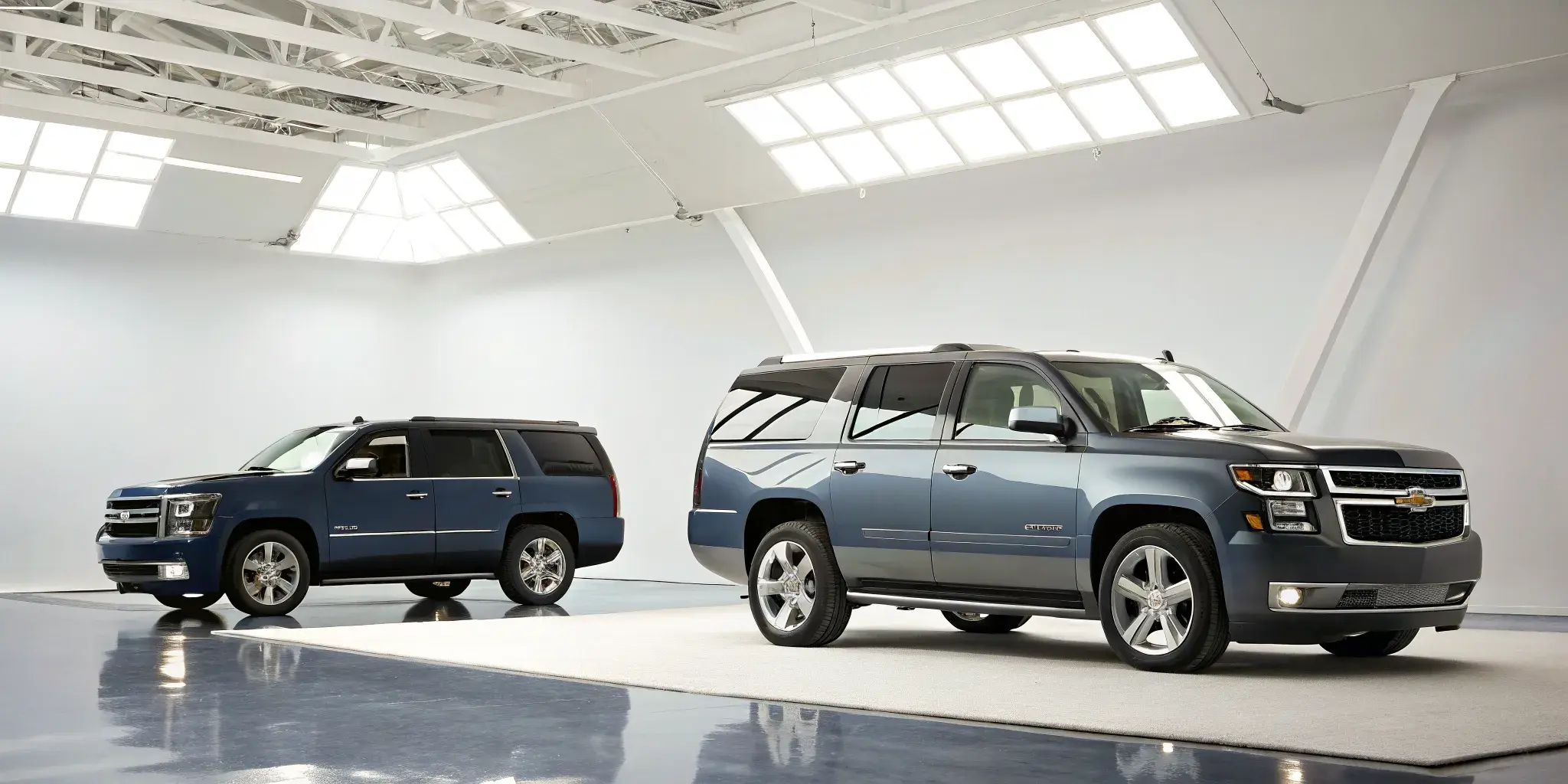
Not all used Suburbans are created equal. While one might be a dependable workhorse that lasts for over 200,000 miles, another from a different model year could come with a history of known issues. The key to finding a great one is knowing exactly what to look for. The topic of Chevrolet Suburban reliability often comes down to specific production years and how well the vehicle was maintained. Some years are celebrated for their durability, while others are known for specific engine or transmission concerns. This guide will help you navigate the differences, so you can focus your search on the most dependable models and know which ones to approach with a bit more caution.
Key Takeaways
- Target specific model years for better reliability: Your best bet is a Suburban from 2015 or newer, especially the 2019 and 2020 models. Approach earlier years like 2007-2009 with extra caution and a detailed inspection, as they have known engine concerns.
- Budget for a long-term investment: While a Suburban's yearly repair costs are higher than the average SUV, its robust build means it can easily last over 200,000 miles with proper care. Plan for these costs to get a vehicle that will serve your family for years.
- A clean history and proactive care are essential: A vehicle history report and detailed service records are crucial for finding a good used Suburban. Once you buy, staying on top of maintenance and addressing early warning signs, like transmission shudder, is the key to a long and reliable ownership experience.
How Reliable Is the Chevrolet Suburban?
The Chevrolet Suburban is an icon for a reason. It offers incredible space for passengers and cargo, impressive towing power, and a commanding presence on the road. But when you’re considering buying a used one, the big question is always about reliability. Will it be a trusty family hauler or a constant resident at the repair shop? The answer isn’t a simple yes or no.
Suburban reliability really depends on several factors, including the specific model year, its maintenance history, and how you plan to use it. A well-cared-for Suburban can be one of the most dependable vehicles you'll ever own, while one with a spotty past could lead to headaches. To give you a clear picture, let’s break down what the experts say, how it stacks up against the competition, and what those ratings really mean for you as an owner. This will help you know exactly what to look for when you start shopping.
Understanding Reliability Ratings
When you see a reliability rating, it’s a score based on real-world data from actual owners. Experts look at the average cost of repairs, how often those repairs are needed, and how severe the problems are. According to RepairPal, the Chevrolet Suburban earns an "Average" reliability rating.
So, what does that mean for your wallet? The average yearly cost for Suburban repairs and maintenance is around $944. This is higher than the average for other full-size SUVs ($784) and quite a bit more than the average for all vehicle models ($652). This tells us that while it’s not considered an unreliable vehicle, you should probably plan for slightly higher maintenance costs compared to others on the road.
How It Compares to Other Full-Size SUVs
Within its own category, the Suburban lands near the back of the pack, ranking 11th out of 14 full-size SUVs for reliability. While its overall rating is average, the higher annual repair costs suggest it can be more expensive to own than many of its competitors. You can see how it measures up by browsing different full-size SUVs to compare features and ownership costs for yourself.
However, there’s another side to the story. A well-maintained Suburban has the potential for a very long life. Data shows that a notable percentage of them last well over 200,000 miles, which is far beyond the typical lifespan for an SUV. This suggests that if you find a good one and take care of it, your investment could pay off for years to come.
What Expert Ratings from J.D. Power & RepairPal Really Mean
You’ll often see different ratings from various experts, which can be confusing. For example, J.D. Power gives recent Suburban models a reliability score of 80 out of 100, which is considered great. On the other hand, RepairPal gives it a 3 out of 5, which is just average. This difference often comes down to what each organization measures and which model years they focus on.
The key is to look beyond the main score. RepairPal also notes there is a 15% chance that any given repair on a Suburban will be a major, costly issue. This single statistic is crucial because it highlights the potential risk. While you might not visit the shop often, there’s a higher-than-average chance that when you do, the bill could be substantial.
What Are the Most Common Suburban Problems?
Like any vehicle that’s been around for decades, the Chevrolet Suburban has a few known issues that tend to appear in specific model years. Being aware of these common problems doesn’t mean you should avoid the Suburban altogether. Instead, it equips you with the knowledge to make a smart purchase. When you know what to look for, you can better inspect a used model and ask the right questions.
From the engine to the transmission, certain components have shown patterns of wear that are worth noting. Most of these concerns are tied to particular production years, so a little research goes a long way. At Auto Fanatics, we believe in full transparency, which is why we want you to be an informed buyer. Every one of our SUVs undergoes a meticulous inspection to ensure it meets our high standards, but understanding these points will give you extra confidence when you get behind the wheel for a test drive.
Engine and Active Fuel Management (AFM) Issues
To improve fuel economy, many modern Chevrolet V8 engines use a system called Active Fuel Management (AFM). This technology saves gas by temporarily shutting down half of the engine’s cylinders during light driving, like cruising on the highway. While the intention is great, some models equipped with AFM have developed issues with engine lifters and other valvetrain components. Drivers have reported hearing a distinct ticking sound from the engine or experiencing misfires. This doesn’t happen to every AFM-equipped Suburban, but it’s a known concern that’s important to listen for during your test drive.
Excessive Oil Consumption in V8 Engines
If you’re looking at an older Suburban, particularly from the 2007 to 2009 model years, be mindful of potential oil consumption issues. Some V8 engines from this period were known to burn an excessive amount of oil due to the design of certain internal parts. This can lead to low oil levels between changes, which, if not monitored, could cause significant engine damage. When inspecting a Suburban from this era, it’s a good idea to check the oil level and look for any blue smoke from the exhaust, which can be a sign of oil burning. A detailed service history can also help show if this has been a persistent problem.
Transmission and Torque Converter Concerns
For Suburbans made between 2015 and 2020, the transmission is an area to pay close attention to. Before Chevrolet updated to a more robust 10-speed automatic transmission, some owners reported issues with the earlier transmission and its torque converter. Symptoms often include a noticeable shudder or vibration at certain speeds, rough shifting between gears, or hesitation when accelerating. Since transmission repairs can be expensive, it’s crucial to feel for these signs during a test drive. To give our customers peace of mind, we offer comprehensive protection plans that can help cover unexpected major repairs.
Air Conditioning and Heater Failures
While not as mechanically critical as an engine or transmission issue, a failing climate control system is a major inconvenience, especially during a hot Virginia summer or chilly winter. Some 2015 and 2016 Suburbans, in particular, have had reported problems with their air conditioning and heating systems. This can range from the AC condenser failing and no longer blowing cold air to the heater malfunctioning. During your inspection, be sure to test the entire system. Turn the AC on full blast, then switch to heat, and check that air is flowing correctly through all the vents. It’s a simple check that can save you a lot of discomfort down the road.
Suburban Reliability by Model Year
When you’re shopping for a used Chevrolet Suburban, the model year matters. A lot. Like any vehicle with a long history, some years are celebrated for their dependability, while others have known quirks you’ll want to be aware of. Understanding this difference is the key to finding a reliable family hauler that you’ll love for years to come. It’s also why working with a dealership you can trust is so important. With over 500 five-star reviews, our team at Auto Fanatics prides itself on a transparent, no-pressure process, and that starts with helping you find the right vehicle for your family's needs.
Knowing which model years have the best track records can give you a huge advantage in your search. We’ve sorted through the data and owner feedback to give you a clear picture of what to look for. A specific model year can be the difference between smooth sailing and unexpected repair bills, so doing your homework pays off. Below, we’ll highlight the standout years, point out the ones that require a closer look, and explain how mileage can impact the long-term health of a Suburban. This way, you can feel confident when you start browsing our inventory of high-quality SUVs.
The Best Model Years to Buy
The good news is that there are several fantastic model years to target. If you’re looking for modern technology and comfort for daily driving and road trips, focus your search on the 2015 model year and newer. These Suburbans belong to a more recent generation and come with updated infotainment systems and driver-assist features that make a real difference.
Don’t overlook the later years of the previous generation, either. The 2019 and 2020 models are often praised by owners for their solid reliability. One common piece of advice for these years involves the Active Fuel Management (AFM) system, which some owners choose to disable to support long-term engine health. A well-maintained late-model Suburban is an excellent choice for anyone needing maximum space and capability.
Model Years to Approach with Caution
While most Suburbans are built tough, a few model years have developed a reputation for specific problems. It’s wise to be extra thorough if you’re considering a 2007, 2008, or 2009 Suburban. These particular years are frequently cited for engine issues, most notably excessive oil consumption. This problem is often tied to faulty components within the V8 engine and can lead to more significant repairs down the road.
This doesn’t mean every single vehicle from these years is a bad apple, but it does mean a pre-purchase inspection is non-negotiable. At Auto Fanatics, our meticulous inspection process is designed to identify potential red flags like these, ensuring we only offer vehicles that meet our high standards. Our commitment to quality is a core part of who we are.
How Mileage Affects Long-Term Reliability
One of the Suburban’s most impressive traits is its potential for longevity. It’s not uncommon to see these SUVs last well over 200,000 miles with proper care, far surpassing the average for the class. However, the journey to high mileage isn’t always straightforward. Some owners report that the range between 60,000 and 150,000 miles can be a bit of a gamble, as this is when some larger, more expensive repairs can surface if the vehicle wasn't diligently maintained.
This is exactly why a vehicle’s service history is just as important as the number on the odometer. A well-cared-for Suburban with 100,000 miles and detailed maintenance records is often a smarter buy than a neglected one with lower mileage. When you explore our used cars in Fredericksburg, VA, we provide vehicle history reports to give you the full picture.
What Does It Cost to Own a Suburban?
When you’re thinking about buying a vehicle as large and capable as a Suburban, the sticker price is only part of the financial picture. To get a true sense of the investment, you need to look at the total cost of ownership. This includes everything from routine maintenance and unexpected repairs to what you’ll spend at the gas pump. Understanding these costs upfront helps you budget wisely and decide if the Suburban is the right long-term fit for your family and your wallet.
At Auto Fanatics, we believe in full transparency, which is why we want to give you a clear, honest breakdown of what it really costs to keep a Chevrolet Suburban on the road. We’ll look at average repair bills, how often you might see your mechanic, and its impressive potential for a long life.
Average Annual Repair Costs vs. the Competition
Let's start with maintenance and repairs. On average, you can expect to spend around $944 per year to keep a Suburban running smoothly. This figure is a bit higher than the average for other full-size SUVs ($784) and the average for all vehicle models combined ($652). While that number might seem a little high, it’s important to remember you’re maintaining a large, heavy-duty vehicle designed for big jobs. To help manage these potential expenses, you can always consider adding one of our protection plans, which can provide peace of mind and cover unexpected repair bills down the road.
How Repair Frequency Impacts Your Wallet
Another factor to consider is how often you might need to take your Suburban in for an unscheduled repair. Data shows that owners typically visit a mechanic for an unexpected issue about 0.5 times per year. This is just slightly more frequent than the average for both its class and all other vehicles, which sits at 0.4 times per year. While the difference is small, it highlights the importance of a thorough pre-purchase inspection and reviewing a vehicle's service history. A well-maintained Suburban is your best defense against surprise trips to the shop.
Factoring in Fuel Economy
There’s no getting around it: a big SUV comes with a bigger fuel budget. However, Chevrolet has made significant strides in efficiency over the years. If you opt for a model with the diesel engine, you can see a combined fuel economy of around 23 MPG, which is quite impressive for a vehicle of its size. For the more common V8 gasoline engines, you can expect lower numbers, but that’s the trade-off for the power and capability you get in return. When planning your budget, it’s a great idea to use a car loan calculator to see how your monthly payment and estimated fuel costs fit together.
Can a Suburban Really Reach 200,000 Miles?
Here’s where the Suburban truly shines: its longevity. With proper care, these SUVs are built to last. An impressive 5% of Suburbans on the road have clocked over 200,000 miles, which is significantly more than the 125,000 to 150,000-mile average lifespan for most other SUVs. This incredible durability is a testament to its robust truck-based platform. If you’re looking for a vehicle that can serve your family for years to come, a well-cared-for Suburban is one of the best bets you can make. The key is consistent maintenance and choosing a quality used model from the start.
Is a Used Chevrolet Suburban a Good Buy?
So, you’re weighing your options and the Chevrolet Suburban has caught your eye. It’s a big decision, and this SUV brings a lot to the table. But is it the right choice for you and your family in Fredericksburg? The answer depends on what you value most in a vehicle. The Suburban offers a unique blend of massive space and powerful performance, but it also comes with a few well-known quirks. Let's break down the good, the not-so-good, and what you can do to protect your investment, so you can make a choice you feel great about.
The Pros: Unbeatable Space, Towing, and Resale Value
If you need space, the Suburban delivers in a way few other vehicles can. It has a long-standing reputation for a reason: it’s built to carry lots of people and all their stuff. With three rows of seating and a cavernous cargo area, it’s perfect for large families, carpooling to sports practice, or loading up for a weekend trip. Beyond its interior, the Suburban is a workhorse with impressive towing capabilities for your boat or camper. Many of these SUVs are known for their longevity, with a significant number staying on the road for well over 200,000 miles. This durability also contributes to strong resale value, which is always a plus when you’re investing in a vehicle.
The Cons: Potential Repair Costs and Known Engine Issues
It’s important to go into ownership with your eyes open. While the Suburban is a capable vehicle, it does have some known reliability concerns. Data from RepairPal gives it an "Average" reliability rating, placing it near the bottom of its class for full-size SUVs. The average annual repair cost is estimated at $944, which is higher than the average for similar vehicles. Some of the most frequently reported issues are significant, involving the transmission, engine lifters, fuel injectors, and torque converter. Being aware of these potential repairs is the first step in making a smart purchase and planning for future maintenance.
What to Know About Warranty Coverage
When a manufacturer recognizes a widespread issue, they sometimes offer extended warranty coverage to address it. For certain engine problems, GM has provided special coverage for up to 10 years or 150,000 miles on some models. However, when you’re buying a used vehicle, it may be outside the original factory warranty period. This is where an extended warranty or vehicle service contract can provide valuable peace of mind. Our protection plans are designed to shield you from unexpected, costly repairs, letting you enjoy your Suburban without worrying about what-ifs. We can walk you through the options to find coverage that fits your needs.
How to Maximize Your Suburban's Lifespan
A Chevrolet Suburban is a big investment, and you want it to last. With the right care, it’s more than capable of cruising well past the 200,000-mile mark. The secret isn’t luck; it’s a commitment to proactive ownership. By staying on top of maintenance, addressing known quirks, and paying attention to what your vehicle is telling you, you can ensure your Suburban remains a reliable partner for family road trips and daily commutes for years to come. Think of it as a simple formula for long-term peace of mind.
Stick to the Recommended Maintenance Schedule
Your owner's manual is the single best resource for keeping your Suburban in top shape. Following the factory-recommended service intervals is the easiest way to prevent small issues from turning into major headaches. Many common problems can be avoided or significantly lessened if the vehicle has been well-maintained from the start. This means regular oil changes with quality oil, timely fluid checks for the transmission and cooling system, and replacing filters as needed.
Sticking to a schedule not only protects your engine and drivetrain but also gives a technician a regular opportunity to spot potential issues before they leave you stranded. It’s a straightforward practice that pays dividends in reliability and longevity. For extra security on major components, you can also consider adding one of our automotive protection plans to cover unexpected repairs.
Address the AFM System Proactively
If you have a newer V8 Suburban, it likely has an Active Fuel Management (AFM) or Dynamic Fuel Management (DFM) system. This technology is designed to save fuel by shutting down some of the engine’s cylinders when they aren’t needed. While the goal is better MPG, this system is a known weak point that can lead to issues with engine lifters over time. Many long-time Suburban owners recommend disabling the AFM system to ensure long-term engine health.
This is a proactive step that can be done with a simple plug-in device or a professional engine tune. By preventing the engine from constantly switching cylinders on and off, you reduce wear and tear on critical internal components. If you're shopping for one of our used SUVs, you can trust that our team has already performed a meticulous inspection on the engine and drivetrain.
Watch for Early Warning Signs
Your Suburban will almost always give you clues before a major component fails. The key is to listen to them. Get familiar with how your SUV normally sounds and feels so you can spot changes right away. Pay close attention to common trouble spots like the transmission, engine lifters, and torque converter. If you notice the transmission shifting harshly, hear a distinct ticking noise from the engine, or feel a shudder at certain speeds, don't ignore it.
These are early warnings that something needs attention. A check engine light is another obvious sign that you shouldn't put off. Addressing these symptoms early is the difference between a minor adjustment and a multi-thousand-dollar repair. If you’re ever unsure about a new noise or feeling, it’s always best to contact us and have it checked out.
Keep Detailed Service Records
A complete set of service records is one of the most valuable things you can have for your vehicle. Keeping a folder with every receipt for oil changes, tire rotations, and repairs helps you stay organized and on track with your maintenance schedule. More importantly, it creates a verifiable history of how well the car has been cared for. This becomes incredibly important when it’s time to sell or trade in your vehicle.
A buyer will always have more confidence in a vehicle with a thick stack of maintenance records. It proves you were a responsible owner and helps justify a higher resale price. When you’re ready to upgrade, having those records on hand can directly impact your vehicle’s trade-in value. It’s a simple habit that shows you cared for your investment, and it’s something we always love to see in the vehicles we take in.
Your Checklist for Buying a Used Suburban
Finding the right used Suburban is exciting, but it’s easy to get caught up in the moment and overlook important details. Going in with a clear plan is the best way to ensure you drive away in a reliable vehicle that you’ll love for years to come. This simple checklist covers the essential steps, from the initial inspection to finalizing the purchase, so you can feel confident in your decision. Think of it as your road map to a smart and stress-free car-buying experience.
Key Items for Your Pre-Purchase Inspection
Before you even think about talking numbers, give the Suburban a thorough walk-around. Check for obvious signs of damage, rust, or uneven tire wear. Inside, test everything: the air conditioning, the heater, the infotainment system, and all the power windows and seats. Don’t be shy about it. While you can spot a lot on your own, we always recommend having a trusted mechanic perform a pre-purchase inspection. At Auto Fanatics, every vehicle we offer, including our selection of SUVs, undergoes a meticulous inspection process because we believe you should know exactly what you’re buying.
Review the Vehicle's History, Mileage, and Records
A vehicle’s past is the best predictor of its future. Always ask for the vehicle history report, like a CarFax or AutoCheck. This report reveals accident history, title issues, and previous ownership. Just as important are the maintenance records. A thick folder of receipts is a great sign, showing the previous owner was diligent about oil changes, fluid flushes, and repairs. This is crucial for a Suburban, which may have been used for towing or family hauling. Our approach is built on transparency, so we make this information readily available to help you make an informed choice.
Consider Your Protection and Financing Options
Once you’ve found a Suburban that passes your inspection and has a clean history, it’s time to think about the practical side of ownership. Start by getting pre-approved for financing to understand your budget and secure a competitive interest rate. This puts you in a stronger position and simplifies the final steps. You should also consider how you’ll handle potential future repairs. Even the most reliable vehicle can have unexpected issues. Exploring automotive protection plans can provide peace of mind, covering major components like the engine and transmission long after the sale is complete.
Related Articles
- Used 2018 Chevrolet Suburban LT Sport Utility 4D for sale in Fredericksburg, VA at Auto Fanatics | VIN: 1GNSKHKC6JR249240
- Used 2016 Chevrolet Suburban LTZ Sport Utility 4D for sale in Fredericksburg, VA at Auto Fanatics | VIN: 1GNSKJKC7GR164231
- Used 2019 Chevrolet Suburban LT Sport Utility 4D for sale in Fredericksburg, VA at Auto Fanatics | VIN: 1GNSKHKC5KR299158
Frequently Asked Questions
So, is a used Suburban actually reliable or not? That’s the million-dollar question, isn't it? The most honest answer is that its reliability really depends on the specific year and its maintenance history. While some data shows its average annual repair costs are higher than competitors, a well-cared-for Suburban has an incredible reputation for lasting a very long time, often surpassing 200,000 miles. Think of it less as a gamble and more as a vehicle that rewards you for choosing a good one from the start and keeping up with its care.
What's the biggest repair bill I should be prepared for? While most repairs are routine, the Suburban does have a few known issues that can be costly. The most significant ones tend to involve the transmission, torque converter, or the engine's fuel management system (the AFM lifters). These aren't guaranteed problems, but they are the types of major repairs that contribute to the statistics. This is why a thorough pre-purchase inspection is so important, as is considering a protection plan to give you a safety net for those larger, unexpected expenses.
If I can only afford an older model, am I just asking for trouble? Not at all, but you do need to be an extra-savvy shopper. If you're looking at model years from the late 2000s, for example, it's critical to get a detailed vehicle history and a professional inspection. You'll want a mechanic to specifically check for signs of the known oil consumption issue and listen for any engine ticking. A high-mileage Suburban from these years with a thick stack of service records can still be a fantastic, reliable vehicle for your family.
You mentioned disabling the AFM system. Is that hard to do, and is it really necessary? Disabling the Active Fuel Management (AFM) system is a popular modification among Suburban owners who want to maximize long-term engine health. It's not strictly necessary, but many see it as a smart, preventative measure against potential lifter failure down the road. The process is actually quite simple and can be done with a small device that plugs into the vehicle's diagnostic port. It's a straightforward step you can take to protect your investment.
Why would I choose a Suburban if it might have higher repair costs than other SUVs? It really comes down to what you need from a vehicle. While another SUV might have a lower average repair cost, very few can match what the Suburban offers. If you need seating for a large family, a massive cargo area for gear, and the power to tow a boat or trailer, the Suburban is in a class of its own. You choose it for its unmatched capability and space, accepting that maintaining such a large, heavy-duty vehicle may sometimes require a bigger budget.