Chevrolet Tahoe Reliability: Best & Worst Years
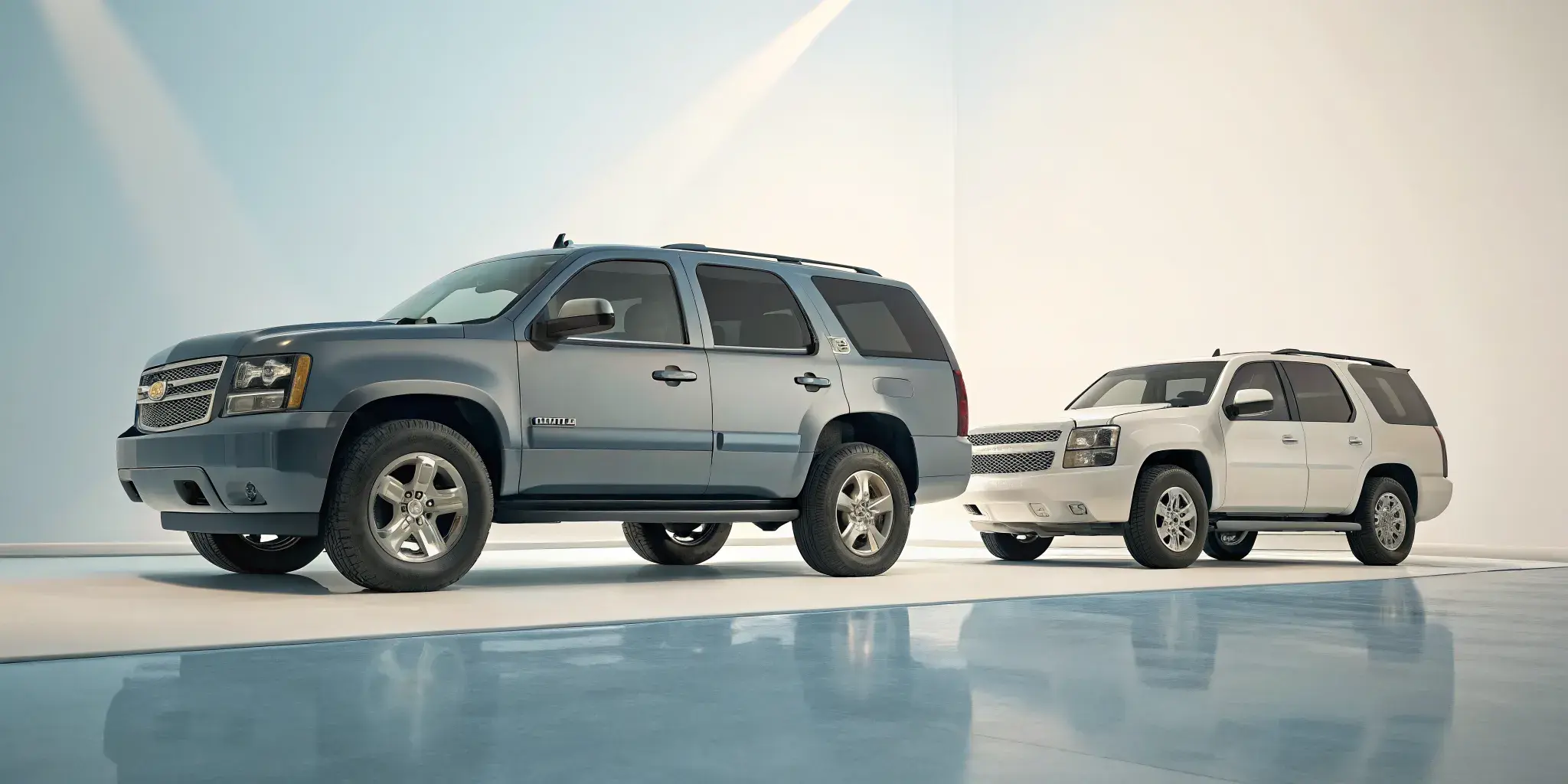
When it comes to buying a used Chevrolet Tahoe, the specific model year you choose can make all the difference. Some generations are celebrated as nearly bulletproof workhorses, while others are known for specific, costly issues that can turn a dream car into a headache. Navigating this history is key to making a smart purchase. This guide is designed to be your roadmap, giving you a clear, generation-by-generation breakdown of Chevrolet Tahoe reliability. We’ll pinpoint the most dependable years to target in your search and highlight the ones you should approach with caution, so you can shop with total confidence.
Key Takeaways
- Focus on the Sweet Spot Years: For peak reliability, the second generation (2000-2006) is your best bet. These models feature strong engines without the complex fuel management systems that caused issues in the less reliable third generation (2007-2014).
- Know the Common Problem Areas: Be mindful of known issues like engine trouble related to the Active Fuel Management (AFM) system, transmission performance, and infotainment glitches. A thorough inspection is the best way to identify potential concerns before you buy.
- Maintenance is Key to Longevity: A Tahoe can easily surpass 200,000 miles with consistent care. Sticking to a schedule for oil changes and transmission fluid service is the most effective way to prevent major repairs and ensure your SUV remains dependable.
How Reliable Is the Chevrolet Tahoe?
The Chevrolet Tahoe has a reputation for being the go-to SUV for just about everything, from family road trips to towing a trailer for a weekend getaway. You see them everywhere for a good reason. But when you're thinking about buying a used one, you need more than just a good reputation. You want the real story on what to expect with maintenance, potential repairs, and overall ownership costs. To get a clear picture, we can look at data from trusted automotive sources. These scores give us a solid baseline for understanding how the Tahoe performs over the long haul. While reliability can vary a lot between model years (which we'll get into later), let's start with the big picture. We’ll break down the overall reliability scores and see how the Tahoe stacks up against other popular full-size SUVs you might be considering.
Breaking Down the Reliability Scores
When you look at the numbers, the Chevrolet Tahoe holds its own. The vehicle experts at RepairPal give the Tahoe a Reliability Rating of 3.5 out of 5.0, which they classify as "Above Average." This score shows it's a solid contender in its class. For owners, this typically translates to an average annual repair cost of around $744. This figure covers everything from routine maintenance like oil changes to more unexpected fixes, giving you a realistic idea of what to budget for each year to keep your Tahoe running smoothly.
How It Compares to Other Full-Size SUVs
Putting the Tahoe side-by-side with its main competitors, like the Ford Expedition and Toyota Sequoia, shows that it consistently performs at an average to slightly above-average level. It’s a strong player in a competitive field. One interesting detail from the data is that while Tahoe owners tend to experience unscheduled repairs less frequently than average, there is a slightly higher probability that those repairs will be severe when they do happen. This isn't a reason to worry; it just highlights the importance of preventative maintenance. It’s exactly why every vehicle at Auto Fanatics undergoes a meticulous inspection before it ever makes it to our lot, so you can drive away with total peace of mind.
Common Chevrolet Tahoe Problems
The Chevrolet Tahoe is a fantastic and capable SUV, but like any vehicle, it has a few known issues that tend to pop up across different model years. Being aware of these common problems doesn't mean you should run from a Tahoe; it just means you're a smart, prepared buyer. Knowing what to look for helps you ask the right questions and understand the importance of a thorough vehicle inspection.
At Auto Fanatics, every vehicle on our lot goes through a meticulous inspection process to ensure it meets our high standards. We believe in transparency, so we want you to be informed about potential issues with any model you're considering. Here are a few of the most frequently reported problems for the Chevrolet Tahoe.
Active Fuel Management (AFM) System Issues
Many modern Tahoes, particularly from the third generation onward, come equipped with an Active Fuel Management (AFM) system. This technology is designed to improve fuel economy by shutting down half of the engine's cylinders under light loads. While the goal is efficiency, the system can sometimes lead to engine problems.
The most common complaints involve excessive oil consumption and, in more serious cases, failure of internal engine components like lifters and camshafts. These issues don't affect every Tahoe with AFM, but they are frequent enough to be a well-documented concern among owners and mechanics. A pre-purchase inspection by a qualified technician is the best way to check for any signs of AFM-related trouble.
Transmission and Torque Converter Problems
The transmission is one of the most complex and expensive components in any vehicle, and some Tahoe models have shown weaknesses here. Certain model years, especially those equipped with the 6-speed or 10-speed automatic transmissions, have higher rates of reported issues. Problems can range from rough or delayed shifting to complete transmission failure.
The torque converter, which connects the engine to the transmission, can also be a point of failure. Symptoms often include shuddering at certain speeds or a whining noise. Because transmission repairs can be costly, it's essential to find a vehicle that has been properly cared for. When you browse our inventory of well-inspected SUVs, you can feel confident that we've already done the hard work of vetting each vehicle's mechanical health.
Electrical and Infotainment Glitches
As vehicles become more technologically advanced, electrical gremlins can become more common. Tahoe owners have reported various issues with the infotainment system, from the main screen freezing or going blank to problems with Bluetooth connectivity. In some cases, the Google-based software in newer models can be buggy, and auxiliary batteries that power these systems may fail prematurely.
While these glitches are often more of an annoyance than a mechanical failure, they can certainly impact your driving experience. During a test drive, make sure to spend a few minutes playing with the infotainment screen, connecting your phone, and testing all the controls to ensure everything works as it should.
Suspension and Interior Wear
The Tahoe is built to be a comfortable cruiser, but its suspension can develop issues over time. Some owners report hearing clunking sounds from the rear of the vehicle. Models with the optional air suspension system can sometimes have problems with sensors or compressors, causing the vehicle to sit unevenly.
Inside, look for signs of premature wear and tear. Rattles from the dashboard or trim pieces can be common, as can issues with seat leather wearing out sooner than expected. These may seem like minor cosmetic points, but they can be an indicator of how the vehicle was treated by its previous owner. Our commitment to quality means we pay attention to these details, ensuring the vehicle you buy looks and feels solid.
Which Tahoe Generation Is Most Reliable?
The Chevrolet Tahoe has been a go-to full-size SUV for decades, but its reliability has definitely had its ups and downs. When you're shopping for a used model, knowing which generation to target (and which to avoid) can save you from future headaches and expensive repairs. The right Tahoe can be an incredibly dependable vehicle for your family's adventures around Fredericksburg and beyond, while the wrong one can become a constant source of stress. It's all about finding that sweet spot where modern features meet proven mechanicals.
Understanding the key differences between the production runs is the first step to making a smart purchase. From engine designs to new technologies, each generation brought changes that directly impacted its long-term dependability. Some years are known for their bulletproof engines, while others are notorious for specific, costly problems. This guide will help you sort through the noise. We'll walk through each generation, highlighting the reliable workhorses and flagging the models that might be best to skip. With this information, you can focus your search and feel confident when you find the right Tahoe in our used car inventory.
First Generation (1995–1999): A Solid Start
The first-generation Tahoe set the stage with a reputation for being tough and straightforward. These classic, boxy SUVs are known for their durability, especially models equipped with the legendary 5.7-liter Vortec V8 engine. This powertrain is celebrated for its simple mechanics and longevity. While these vehicles are getting older, many are still on the road today, which speaks volumes about their build quality. If you find a well-maintained first-gen Tahoe, it can be a reliable and affordable workhorse, though you should expect the interior and tech to feel dated.
Second Generation (2000–2006): The Sweet Spot
Many experts and owners agree that the second-generation Tahoe is the most reliable of the bunch. This era introduced the robust and more modern LS-based V8 engines, which are praised for their performance and dependability. Crucially, these engines were built before Chevrolet introduced the problematic Active Fuel Management (AFM) system. The absence of AFM means you dodge a major potential failure point found in later models. If you're looking for the perfect blend of modern comfort and old-school reliability in a used SUV, a well-cared-for second-gen Tahoe is an excellent choice.
Third Generation (2007–2014): The One to Avoid
The third-generation Tahoe is widely considered the least reliable, and it's a period buyers should approach with extreme caution. This is the generation where Active Fuel Management (AFM) was introduced to improve fuel economy, but it often led to significant engine problems, including excessive oil consumption and lifter failure. These issues could result in costly engine repairs or even complete replacement. On top of the AFM woes, this generation was plagued by numerous recalls for safety-related issues, from faulty airbags to dashboard cracks. It's best to steer clear of these model years if reliability is your top priority.
Fourth Generation (2015–2020): Proceed with Caution
While the fourth-generation Tahoe offered a more modern design and updated features, it unfortunately inherited some of the reliability issues of its predecessor. The AFM system continued to be a source of frustration for many owners, leading to the same potential for cam and lifter failures. This generation also saw a high number of owner complaints and recalls related to transmission performance, brakes, and suspension components. If you have your heart set on a fourth-gen model, it's essential to have it thoroughly inspected by a trusted mechanic. Considering an automotive protection plan can also provide peace of mind against potential costly repairs.
Fifth Generation (2021–Present): Early Impressions
The newest generation of the Tahoe brought a complete redesign with an independent rear suspension and more advanced technology. However, newer doesn't always mean more reliable. Early reports and owner complaints suggest that issues with the fuel management systems (both Active Fuel Management and the newer Dynamic Fuel Management) persist. Problems like engine vibrations, oil consumption, and potential lifter failure are still being reported on these very new vehicles. While they are covered by a factory warranty, these early signs indicate that the engine's long-term reliability may still be a concern, reinforcing the value of a proven, older-generation model.
Which Chevrolet Tahoe Years Should You Avoid?
When you’re shopping for a used Tahoe, knowledge is your best friend. While most Tahoes are built tough, some model years have a better track record than others. Knowing which ones to be mindful of can help you make a confident choice and find a vehicle you’ll love for years to come.
The Least Reliable Years and Why
The third generation, spanning from 2007 to 2014, is widely considered the one to approach with the most caution. The 2007 model year is particularly notorious, with a high volume of owner complaints. Many of the issues stem from the newly introduced Active Fuel Management (AFM) system, which often led to significant engine trouble, including excessive oil consumption and lifter failure. On top of the engine woes, this generation also faced numerous safety recalls, some for serious problems like faulty airbag inflators. Knowing which models carry these risks helps you focus your search on the most dependable SUVs available.
Red Flags When Buying Used
Even newer Tahoes have a few quirks to watch for. The fourth generation (2015–2020) is known for higher rates of transmission and torque converter issues, along with lingering problems from the AFM system. The latest fifth-generation models (2021–present) have had some initial bugs with their infotainment systems and a few other early-build hiccups. However, this doesn't mean you should write them off. Many of these problems can be prevented with consistent care. A vehicle with a solid maintenance history, especially with regular transmission fluid service, is often a reliable choice. That’s why our team at Auto Fanatics is so thorough. We believe a rigorous inspection process is the key to providing a trustworthy vehicle, a promise that’s reflected in our commitment to every customer.
What Does It Cost to Maintain a Tahoe?
Beyond the initial purchase price, the long-term cost of ownership is a huge factor when choosing your next vehicle. You want a car that’s not going to drain your wallet with constant repairs. So, let's look at what you can realistically expect to spend on keeping a Chevrolet Tahoe running smoothly. Understanding these potential costs helps you budget accordingly and decide if the Tahoe is the right fit for your family and your finances. We believe in transparency, which is why we've earned over 500 five-star customer reviews from drivers right here in the Fredericksburg area.
Average Annual Repair Costs
On average, you can expect to spend around $744 per year on repairs for a Chevrolet Tahoe. This figure covers a range of potential fixes, from minor tweaks to more significant work. Some of the more common issues reported by owners, especially in modern Tahoes, involve the Active Fuel Management (AFM) system lifters and the transmission's electronics. While that number might seem specific, think of it as a general guideline. Your actual costs will depend on the vehicle's year, its condition, and your driving habits. Investing in one of our automotive protection plans can also provide peace of mind by helping to cover unexpected repair bills.
Repair Frequency vs. Other SUVs
Here’s some good news for Tahoe fans: they don’t spend a lot of time in the repair shop. Tahoe owners typically bring their vehicle in for unscheduled repairs about 0.3 times per year. To put that in perspective, the average for midsize SUVs and all other vehicle models is slightly higher at 0.4 times per year. This suggests the Tahoe is less likely to surprise you with unexpected problems compared to many other SUVs on the road. The one thing to keep in mind is that when a Tahoe does need a repair, it can sometimes be more significant. However, the low frequency of these issues means major repairs aren't a regular occurrence.
Is the Tahoe Built to Last?
The Chevrolet Tahoe has a well-earned reputation for being a durable and long-lasting SUV. It’s not uncommon to see these vehicles on the road with well over 200,000 miles on the odometer, which speaks volumes about their core engineering. The Tahoe is built on a sturdy truck platform, giving it the robust foundation needed to handle daily commutes, family road trips, and heavy-duty tasks for years. However, achieving that kind of longevity isn't just about luck; it's about consistent and proper maintenance.
While the Tahoe is certainly built to go the distance, it’s important to go into ownership with a clear picture. Like any large vehicle, it comes with its own set of potential repair needs and maintenance costs that are a bit higher than average. Think of it as an investment in a vehicle that can serve you for a very long time. When you're looking at used SUVs, finding one with a solid service history is key. At Auto Fanatics, we focus on sourcing well-maintained vehicles so you can start your ownership journey with confidence.
Can It Reach 200,000 Miles?
Yes, a Chevrolet Tahoe can absolutely reach 200,000 miles and beyond. Many owners have proven it's possible, but they'll also tell you that staying on top of maintenance is crucial as the miles add up. As a Tahoe ages, certain issues can become more common. For example, some later models are known for potential problems with the Active Fuel Management (AFM) system lifters and occasional transmission electronic glitches.
Being aware of these potential issues isn't meant to scare you off; it's about being an informed owner. Knowing what to look for allows you to address problems early before they become bigger headaches. Investing in one of our automotive protection plans can also provide peace of mind by helping manage unexpected repair costs down the road.
Resale Value and Long-Term Ownership
The Tahoe tends to hold its value quite well, which is a huge plus for long-term owners. Its popularity and reputation for toughness mean there's always a strong market for them. However, you should budget for maintenance. On average, Tahoe owners can expect to spend more on repairs over a 10-year period compared to the average for all vehicles. The good news is that while some repairs can be costly, the Tahoe doesn't need them as frequently as many other SUVs.
When you're planning your budget, it's smart to account for these potential costs. Using a car loan calculator can help you see the full financial picture. Ultimately, the Tahoe's strong resale value often helps offset its higher upkeep costs, making it a solid choice for anyone needing a capable, long-lasting vehicle.
Tahoe vs. The Competition
When you're in the market for a full-size SUV, the choices can feel overwhelming. The Chevrolet Tahoe is a major player, but it’s smart to see how it measures up against other popular models. Understanding the key differences can help you decide which vehicle is the right fit for your family’s needs. Whether you're hauling kids to soccer practice in Spotsylvania or towing a boat for a weekend on the water, let's break down how the Tahoe compares to its main rivals. You can explore these models and more in our wide selection of high-quality SUVs.
Tahoe vs. Ford Expedition
The Tahoe and the Ford Expedition are the heavyweights of the full-size SUV world, and they’re constantly compared for good reason. The Tahoe often gets praise for its refined interior and smoother handling, making it feel a bit more luxurious on the road. On the other hand, the Expedition is a workhorse known for its impressive spaciousness and strong towing capacity. While the Expedition’s turbocharged engine might give it a slight edge in fuel efficiency, many drivers find the Tahoe’s advanced technology and comfortable ride more appealing for daily driving. It really comes down to your priorities: a more polished ride or maximum utility.
Tahoe vs. Toyota Sequoia
Comparing the Tahoe to the Toyota Sequoia is like matching up American comfort with Japanese dependability. The Tahoe generally offers more powerful engine choices and a significantly smoother ride, which you’ll appreciate on long family road trips. While the Sequoia has a great reputation for reliability, it often falls behind in fuel economy and interior quality. According to reviews, the Tahoe’s spacious third row and larger cargo area make it a more practical choice for families who need room to grow. If modern tech and a comfortable cabin are high on your list, the Tahoe is usually the more versatile option.
Tahoe vs. Dodge Durango
The Dodge Durango enters the ring with a different focus: performance. If you’re looking for a muscular, V8-powered SUV, the Durango’s performance-oriented approach might catch your eye. However, what the Durango gains in power, it often sacrifices in space and comfort. The Chevrolet Tahoe shines with its roomy interior, comfortable seating for the whole family, and a host of advanced safety features. For buyers focused on long-term ownership, the Tahoe’s strong reputation for reliability and better resale value also make it a more practical investment than the Durango, which can feel cramped in the third row.
Essential Maintenance Tips for Your Tahoe
The Chevrolet Tahoe is a powerful and capable SUV, but keeping it running strong for years to come depends on consistent, proactive care. Think of it as a partnership: you give your Tahoe the attention it needs, and it will reward you with reliable performance on every drive. Sticking to a regular maintenance schedule is the single best way to prevent small issues from becoming expensive problems. This is especially true for a vehicle built for heavy-duty tasks, from towing a boat to carrying the whole family on a road trip. Consistent upkeep ensures the powerful V8 engine and robust drivetrain are always ready for the job.
Taking these simple steps builds confidence in your vehicle, so you never have to second-guess its ability to get you home safely. It’s about protecting your investment and ensuring your Tahoe remains a dependable part of your life. Whether you’re looking for a family hauler or a weekend workhorse, a well-maintained Tahoe is a fantastic choice. If you're in the market, we have a great selection of quality SUVs that have been meticulously inspected and are ready for you. The following tips will help you keep your Tahoe in peak condition, no matter which generation you drive.
Stay on Top of Oil Changes
Regular oil changes are the absolute foundation of your Tahoe's health. Your engine’s oil lubricates hundreds of moving parts, reduces friction, and helps keep everything cool. Over time, oil breaks down and collects dirt and debris, turning into a sludge that can clog engine passages and cause serious damage. Following the recommended oil change interval is one of the easiest and most affordable ways to ensure your Tahoe’s V8 engine has a long and healthy life. Many long-term owners and mechanics agree that routine maintenance is the key to longevity, and it all starts here.
Prioritize Transmission Fluid Service
Your Tahoe’s transmission works hard, especially when you’re towing or carrying a full load of passengers and cargo. The transmission fluid is what keeps it cool and shifting smoothly. Just like engine oil, this fluid degrades over time and can’t do its job effectively. To avoid overheating and premature wear, it’s critical to service the transmission fluid regularly. Some experts even recommend frequent transmission fluid flushes as a top priority for preventative care. This simple step can help you avoid some of the most common and costly transmission problems down the road.
Address AFM System Issues Early
Many newer Tahoes feature an Active Fuel Management (AFM) or Dynamic Fuel Management (DFM) system. These systems are designed to improve fuel economy by shutting down some of the engine’s cylinders when they aren’t needed. While great for efficiency, some sources note these systems can sometimes lead to issues like increased oil consumption or, in more serious cases, lifter failure. If you own a third-generation Tahoe or newer, pay attention to any changes in engine noise or oil levels. Addressing these engine issues early is the best way to prevent a much bigger repair bill.
Check Brakes, Tires, and Battery
A big, heavy vehicle like the Tahoe relies on its brakes and tires to keep you safe. Don’t wait for a problem to appear. Regularly inspect your brake pads and rotors for wear, and make sure your tires have plenty of tread and are inflated to the correct pressure. This not only improves safety but also helps with fuel economy and ride comfort. On older models, it's also wise to keep an eye out for ABS sensor issues. The battery is another key component that can leave you stranded without warning, so having it tested periodically is always a smart move.
Maintain Fluids and the Cooling System
Beyond oil and transmission fluid, your Tahoe has several other fluids that need attention, including coolant, brake fluid, and power steering fluid. The cooling system, in particular, is vital for protecting your engine from overheating, which can cause catastrophic damage. Keeping all your fluids clean and topped off is a core part of responsible ownership. While the average owner might spend around $744 per year on maintenance, staying on top of these simple checks will help you keep your costs predictable and your Tahoe running smoothly for every journey.
Find Your Reliable Used Tahoe in Fredericksburg
Now that you know which Tahoe years shine and which to approach with care, you can start your search with confidence. Finding the right used SUV in the Fredericksburg area means looking for a vehicle that has been well-maintained and thoroughly inspected. Whether you’re set on a workhorse from the super-reliable second generation or a newer model packed with modern comforts, the key is buying from a source you can trust.
At Auto Fanatics, we simplify the process of finding a quality pre-owned vehicle. Every Tahoe that arrives on our lot goes through a meticulous inspection to ensure it meets our high standards for performance and safety. We focus on providing a transparent, no-pressure experience, which is why over 500 drivers have left us five-star reviews. Our goal is to help you find a vehicle you love, without the stress and hassle you might find elsewhere.
We believe that buying a car should be an exciting and positive milestone. Our team is here to answer your questions and help you explore our current selection of high-quality used SUVs. We’ll walk you through the vehicle’s history and features so you can make a choice that feels right for you and your family. When you’re ready to take the next step, our straightforward financing process makes it easy to get approved and drive home in your new-to-you Tahoe.
Frequently Asked Questions
If I'm looking for a used Tahoe, which years are the safest bet? For pure, time-tested reliability, it's hard to beat the second generation, which ran from 2000 to 2006. These models have strong, dependable engines and were built before the introduction of the more complex Active Fuel Management system that caused issues in later years. If you find a well-cared-for Tahoe from this era, you've likely found a fantastic and durable SUV.
What kind of repair costs should I budget for with a Tahoe? It's smart to plan for around $750 a year in maintenance and potential repairs. While that's just an average, it's a realistic number for budgeting. The good news is that Tahoes generally need unscheduled repairs less frequently than many other SUVs. When they do need work, the fix can sometimes be more involved, but consistent preventative care goes a long way in keeping those costs down.
I've heard about engine problems with the Tahoe. What's the deal with the AFM system? The Active Fuel Management (AFM) system is a technology designed to improve gas mileage by temporarily shutting down half of the engine's cylinders. While the intention was good, this system, particularly in the 2007 to 2014 models, became a known source of problems. It could lead to excessive oil consumption and, in some cases, failure of internal engine parts like lifters. It's a significant reason why we recommend being extra cautious with that generation.
Is it a bad idea to buy a Tahoe with over 100,000 miles? Not at all, as long as it has been properly maintained. Tahoes are built on a tough truck chassis and are designed to last. A Tahoe with higher mileage that has a documented history of regular oil changes and transmission service can often be a more reliable choice than a lower-mileage one that was neglected. The key is a thorough inspection and proof of consistent care.
What other SUVs should I consider if I'm looking at a Tahoe? If you're cross-shopping, the Ford Expedition is a top competitor known for its impressive interior space and towing power. The Toyota Sequoia is another option, famous for its long-term dependability, though it can feel a bit dated inside compared to the Tahoe. For something with a more performance-oriented feel, you might look at a Dodge Durango, but you'll likely sacrifice some of the Tahoe's family-friendly passenger and cargo room.