Chrysler Trucks for Sale: How to Compare Used Options
If you are searching for Chrysler trucks for sale, start by clarifying which name and type of pickup you mean. Today, many shoppers use Chrysler or Dodge when looking for a Ram pickup or an older Dodge-branded truck, so compare the actual vehicle badge, model, year, cab, bed, and drivetrain rather than relying on a broad search phrase alone. For Fredericksburg-area buyers, the right choice depends on how you will use the truck and what fits your budget.
A clear comparison can help you narrow the field before you travel from Spotsylvania, Stafford, Culpeper, Woodbridge, or King George. Use the checklist below to decide what matters, what to verify on a specific vehicle, and what to ask before moving forward.
Browse used vehicle inventory in Fredericksburg
What Does “Chrysler Truck” Mean When You Shop Used?
Chrysler is the name many people remember from the company behind Dodge and Ram vehicles. Pickup naming has changed over time, and shoppers may use “Chrysler truck” as a general search for a Ram pickup or an older Dodge truck. Current listings should be compared by the make and model shown on the vehicle, its title and listing details, and its specific equipment.
That distinction matters because a broad phrase does not tell you whether a truck is a particular model, generation, cab style, bed length, engine, or drivetrain. If you are looking for a Ram pickup, start with the used Ram trucks available in Fredericksburg. You can also compare the broader used truck selection rather than assuming every relevant listing will use the word Chrysler.
Before you compare prices, write down the make, model, model year, and configuration you have in mind. That simple step keeps your search focused and makes it easier to spot when two trucks with similar names differ in ways that affect daily use. If you have a particular model in mind, note the exact spelling and any generation or trim details you already know, but leave room for alternatives if the right truck is not currently listed.
Also decide what is essential and what is simply nice to have. You might need a particular cab layout for regular passengers, while a certain color or convenience feature may be flexible. Separating needs from preferences helps you avoid overlooking a well-matched truck because its listing uses unfamiliar wording. One useful method is to mark each requirement as “must have,” “would help,” or “not important.” Keep that list short enough to use while comparing listings.
When looking at older and newer vehicles together, compare their actual condition and equipment rather than assuming model year alone settles the question. Ask what features are included on that specific trim and verify them in the listing or vehicle documentation. If a feature is important to you, test it during your visit. A trim name can be a helpful starting clue, but it is not a substitute for checking the individual vehicle.
Search results can also mix current brand names with older model names. Save the listings that appear relevant, then confirm the make, model, year, and configuration before comparing price or equipment. If an ad calls a vehicle a Chrysler truck but the vehicle is badged Dodge or Ram, clarify the listing rather than treating the label as a complete description. Record the identification details so you can ask precise questions and avoid mixing up two similar listings.
Which Pickup Configuration Fits Your Daily Needs?
Begin with how you expect to use the truck most often. A pickup used for commuting on I-95 and occasional home projects may call for a different balance of passenger space and bed utility than one used regularly to carry bulky equipment. Be specific about people, cargo, parking, and the roads you drive. Think about a normal week, not only the one unusual task you might do once or twice a year.
- Cab: Compare how many people ride with you and how often you carry adult passengers. Check the rear-seat space and access in person, rather than choosing from a cab label alone. Ask each regular passenger to sit in the back if possible, especially if they will ride for longer trips.
- Bed: Think about the longest or largest items you expect to carry. A longer bed can be useful for cargo, while the overall truck length may be less convenient in tight parking areas. Measure a few common items or note their dimensions so you can compare them with the listed bed measurements.
- Drivetrain: Consider the road and weather conditions you commonly face. Confirm the specific truck’s drivetrain from its listing and vehicle documents, and test the controls as appropriate. Do not assume a truck has a certain setup because of its appearance or a model name.
- Cabin and storage: Compare seat comfort, visibility, storage, and the layout of controls. These details matter when you spend time in the vehicle every day. Check whether the driver’s seat position gives you a clear view and whether frequently used items have a practical place.
- Capability: If you plan to haul or tow, verify the exact vehicle’s ratings and equipment from reliable documentation. Do not assume capability from the model name or appearance. Match the specific truck’s documented limits and equipment to your planned load before you decide.
It can help to sit in the driver’s seat, try the rear doors, and imagine loading the items you carry most. Bring a list of real tasks, such as transporting work supplies or taking family members on a weekend trip. That is more useful than picking a truck based only on a trim badge or a photo. If you need a child seat, bring it along to check access and fit in the actual cabin.
Consider the trade-offs as a set rather than in isolation. A larger cab may make passenger trips easier but could be paired with a bed that is shorter than you prefer. A longer bed may help with cargo but make parking in your usual space less convenient. Walk around the truck, open the doors and tailgate, and consider how you would get in and out in the places you visit often.
For a practical shortlist, write down three everyday priorities and one occasional task. For example, your priorities might be a comfortable front seat, room for two regular passengers, and manageable parking; an occasional task might be carrying garden supplies. Use those needs to compare the candidate vehicles. This approach keeps you from overvaluing a feature that sounds useful but does not fit your normal routine.
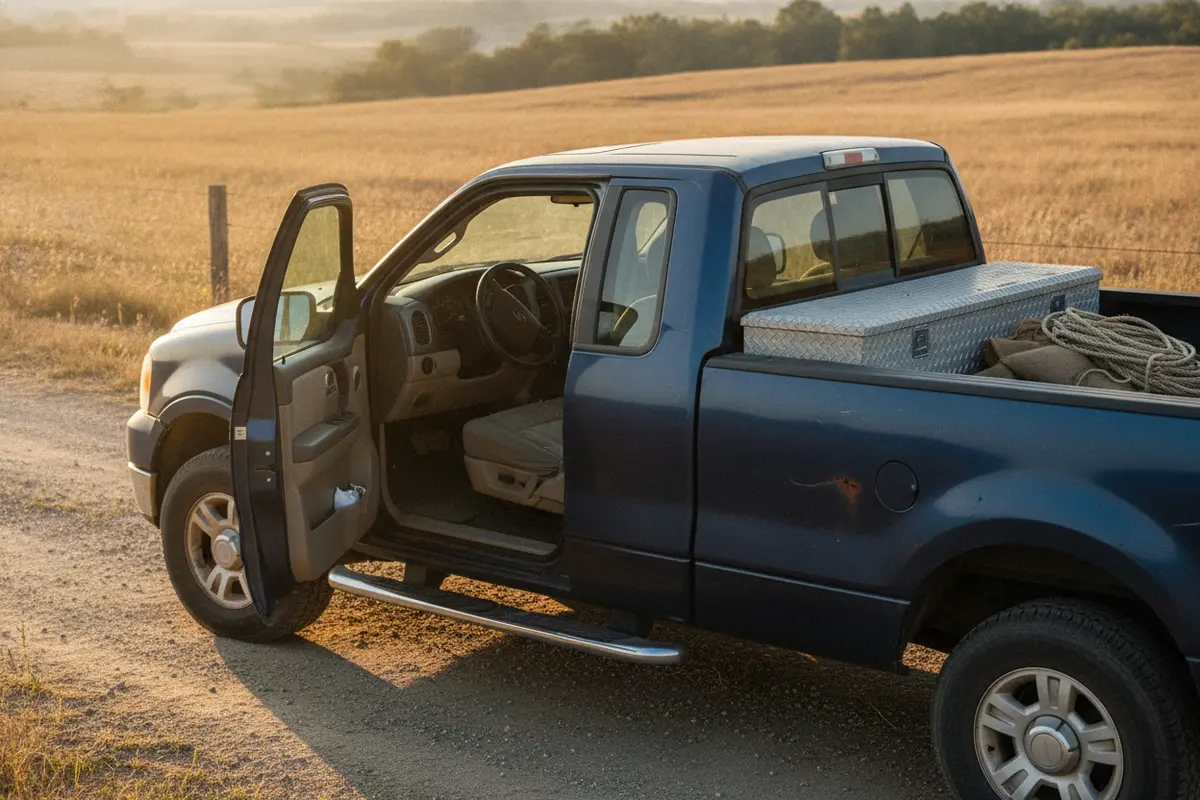
How Can You Compare Used Chrysler, Dodge, and Ram Trucks?
Compare one vehicle at a time using the details that change how it will work for you. The table is a starting point, not a claim that every truck with a given label has the same equipment. Confirm the particular vehicle’s specifications and condition before making a decision. For each listing, save the URL or note the stock details, so your comparisons refer to the same vehicle throughout your search.
| What to compare | Why it matters | What to verify |
|---|---|---|
| Make and model | Search terms can use different brand names, especially for older trucks. | Vehicle badge, model name, model year, and listing details. |
| Cab and seating | Passenger room and access can vary by configuration. | Seat count, rear-seat space, door access, and seat condition. |
| Bed and overall size | Cargo needs and parking convenience can pull in different directions. | Bed dimensions, visible damage, and whether the truck fits your usual parking space. |
| Drivetrain and equipment | Equipment affects how a truck suits your routes and planned use. | Specific drivetrain, installed features, and documentation for any planned hauling or towing. |
| Condition and ownership cost | Two similar-looking trucks can have different wear and expected costs. | Visible condition, available records, current price, insurance estimate, and budget for upkeep. |
When you compare two candidates, record the answers side by side. If a detail is missing or unclear, ask the seller to confirm it for that vehicle. Do not treat a generic model description as proof that a specific option is installed. A short spreadsheet or notebook page works well: list each truck across the top and each priority down the side.
A simple scorecard can keep the decision grounded. Give each candidate a line for passenger comfort, cargo fit, features you will use, condition questions, and total cost. Mark each item as confirmed, needs an answer, or not a fit. That way, an attractive photo or a single appealing feature does not overshadow an unanswered question. Avoid giving a vehicle a high score for an item you have not verified.
For example, if you regularly carry family members, rear-seat comfort may matter more than a bed length you rarely use. If you carry bulky items often, bed dimensions and access may matter more than a particular cabin feature. The point is not to favor one setup, but to identify what best serves your own routine. If two trucks both meet your must-haves, use condition, price, and the details you can verify to guide the next comparison.
Keep a separate list of open questions for every candidate. One truck may need confirmation of its drivetrain, while another may need more detail about its equipment or available records. This prevents an answer about one vehicle from becoming an assumption about another. Before visiting, send or ask the questions tied to your shortlist, then update your notes with the answers and their source.
What Should You Check Before Buying a Used Pickup?
Start with a careful walk-around in daylight. Look at the exterior from several angles, including the bed, bumpers, lights, glass, and tires. Note damage or wear you want explained, and check that the doors, tailgate, and other accessible parts open and close as expected. Look for differences in paint or panel alignment and ask about anything that is unclear rather than drawing a conclusion from appearance alone.
Give the bed extra attention if you expect to carry tools, materials, or recreational equipment. Check the visible floor, sides, tailgate, and any installed liner for damage or loose areas. Look at the tires as a set and note whether wear appears even to your eye. These observations are questions to discuss, not a complete mechanical evaluation. If a detail affects your decision, ask how it can be verified.
Inside, check the seats, belts, windows, locks, dashboard indicators, climate controls, and infotainment features. Test the features you expect to use, and ask for clarification if a warning light or control does not behave as expected. Make notes so you can compare vehicles after the visit. Move the seat and steering wheel to your usual position, then check mirrors and visibility before the test drive.
Use a consistent sequence so you do not forget a basic check when comparing several trucks. First, confirm the vehicle identity and the major specifications in the listing. Next, walk around the exterior and inspect the cabin. Then test accessible features and ask about the documents available. Finally, take a test drive if appropriate and write down what you noticed immediately afterward. A repeatable process makes visits easier to compare.
During a test drive, pay attention to visibility, braking feel, steering, ride comfort, and sounds that seem unusual. If possible, include the kinds of roads you normally drive, such as local streets and a safe stretch of highway. Notice whether you are comfortable judging the truck’s size, changing lanes, and parking. A test drive gives you a chance to assess fit; it does not replace checking vehicle condition and documentation.
Ask what records are available and what they cover. Do not assume a vehicle-history report, inspection, or maintenance record exists unless it is actually provided and you have reviewed it. For questions about a possible safety recall, use the National Highway Traffic Safety Administration (NHTSA) as an authoritative starting point and check the specific vehicle using the agency’s available tools. Make sure you are looking up the exact vehicle, not relying on a general model search.
If a concern remains, ask what options are available for an independent evaluation before purchase. Get answers about the specific truck, not just assurances based on its make or age. You can write down the concern, the question you asked, and the response, then decide whether you need more information. A careful process helps you understand what you are considering without treating any used vehicle as risk-free.
Before leaving a visit, check your notes for gaps. Confirm that you know what is included in the listed price and which terms or documents you still need to review. If you are comparing remotely, ask for clarification on the same points before making a trip. A good follow-up question is specific: instead of asking whether a truck is “well equipped,” name the feature you want to verify.
How Do You Set a Realistic Truck Budget?
Start with the total amount you can comfortably spend, then consider more than the advertised price. Include likely registration and insurance costs, fuel, and a reserve for routine upkeep or unexpected needs. Costs depend on the specific vehicle and your circumstances, so get estimates rather than relying on a generic number. If you already own a vehicle, decide whether you will keep it, sell it separately, or ask about a trade-in as part of your planning.
Build a simple monthly and upfront view. The upfront side can include the amount due at purchase and other costs you confirm. The monthly side can include a payment estimate, insurance, fuel, and the amount you choose to set aside for maintenance. These categories are planning tools, not quotes. Use estimates that fit your circumstances, and update them when you have information about a particular truck.
If you plan to finance, compare the full terms and estimated payment for each option. A lower monthly payment can reflect a longer repayment period or other terms, so review the amount financed, interest rate, loan length, and total amount paid. Ask questions until the figures make sense to you. Compare offers using the same purchase price and down payment assumptions when possible, so you are not mistaking different inputs for a better financing option.
Auto Fanatics offers Capital One pre-qualification with no credit impact, according to the dealership’s stated service information. Pre-qualification can help you explore an option, but it is not a guarantee of final financing terms. Review the details presented for your own situation and compare them with your budget before choosing a vehicle. Decide on a comfortable payment range before you shop, and assess the complete terms rather than focusing on a single figure.
Keep your truck search flexible if your first choice does not fit your budget or needs. For example, compare other used pickups for sale by cab, bed, equipment, and condition, or consider whether a car or SUV could meet your day-to-day needs. Auto Fanatics also lists used cars and used SUVs for shoppers who want to compare different vehicle types. A broader search can help you decide whether a pickup is essential or simply one option.
When reviewing the purchase paperwork, take time to read the terms and ask about any amount you do not understand. Compare the figures with your notes and the information you received. Do not let an estimate stand in for final terms. Keep your budget grounded in the numbers you can confirm and the costs you are prepared to manage over time.
What Should Fredericksburg-Area Buyers Ask Before Choosing?
Local driving needs can help you make a more useful shortlist. Think about your regular route, parking at home or work, family passengers, and the cargo you actually carry. A truck that suits occasional projects and a commute through Fredericksburg may be different from one selected for frequent heavy-duty work. Consider whether your daily route includes congested stretches, narrow parking areas, or regular trips where passenger comfort will matter.
Before you make a trip from Spotsylvania, Stafford, Culpeper, Woodbridge, or King George, confirm that the vehicle you want to see is available and ask which details are known. Inventory changes, and a general search result may not reflect the current selection. Review the listing, then ask direct questions about the exact truck. It can also help to confirm what you should bring or prepare for a visit, especially if you want to compare a trade-in or review financing information.
Auto Fanatics serves buyers in Fredericksburg and surrounding Northern Virginia communities with a no-pressure, transparent approach. The dealership reports more than 500 five-star reviews, which you can explore on its customer testimonials page. Reviews can offer perspective on other buyers’ experiences, but your own comparison should still focus on the vehicle, terms, and questions that matter to you.
Use this short checklist before you decide:
- Does the make, model, year, cab, and bed match what you set out to find?
- Can you confirm the features and drivetrain on this exact truck?
- Have you reviewed the vehicle’s condition and the records actually available?
- Does it feel comfortable on a test drive and fit your parking and passenger needs?
- Have you considered the full budget, not only the monthly payment?
- Do you understand the purchase and financing terms before agreeing?
You can add two final questions to the checklist: What information remains unconfirmed, and what would change your decision? If you cannot answer either, take a little more time to gather the information. This is especially useful when two trucks seem close. A clear reason for choosing one over another is more helpful than relying on a first impression.
Take time to compare your notes rather than rushing because one truck looks appealing in a listing. If the details do not fit, keep looking. The right choice is the one that meets your practical needs and makes sense within your budget. If your priorities change as you shop, revise the checklist and compare the candidates again using the same criteria.
Compare vehicles in Auto Fanatics inventory
Frequently Asked Questions
Are Chrysler trucks and Ram trucks the same thing?
The names are related, but listings can differ by brand, model, and year. Many shoppers use “Chrysler truck” as a broad search for a Ram pickup or an older Dodge-branded truck. Verify the make and model on the specific listing and vehicle rather than assuming they are interchangeable.
What should I search for if I want a current Ram pickup?
Search for Ram trucks and compare the available model, year, cab, bed, drivetrain, equipment, and condition. You can view Ram inventory at Auto Fanatics, then confirm current availability and details for any truck that interests you.
How do I know which cab and bed size I need?
Count the passengers you regularly carry and consider how often adults use the rear seats. Then list the longest or bulkiest items you plan to transport. Compare the actual interior and bed dimensions for each candidate and consider how the full truck length will fit where you park.
Should I choose a truck based on its advertised monthly payment?
Use the payment as one part of the comparison, not the whole decision. Review the amount financed, interest rate, loan term, and total amount paid, and account for insurance, fuel, registration, and upkeep. Choose only terms you understand and can fit into your budget.
Where can I compare used trucks near Fredericksburg, Virginia?
You can browse the Auto Fanatics inventory hub for vehicles in Fredericksburg. Check current listings and ask about the specific truck before traveling from nearby communities.
By comparing the exact vehicle details, condition, use, and full cost, you can make a more confident choice when shopping for a pickup around Fredericksburg and Northern Virginia.