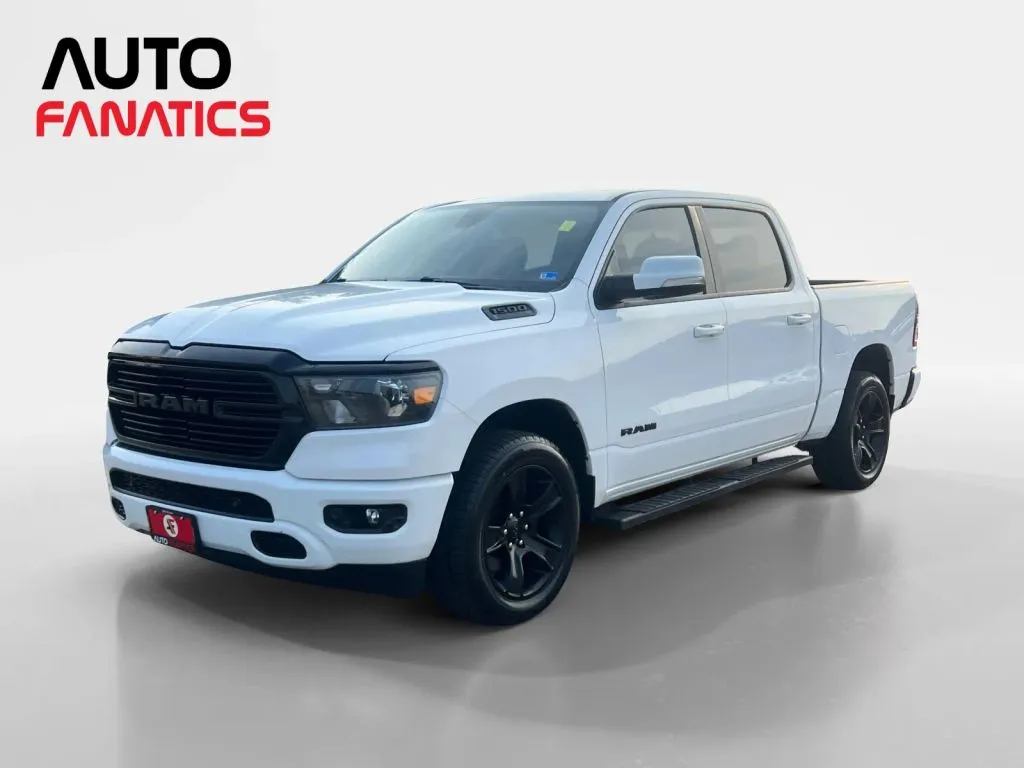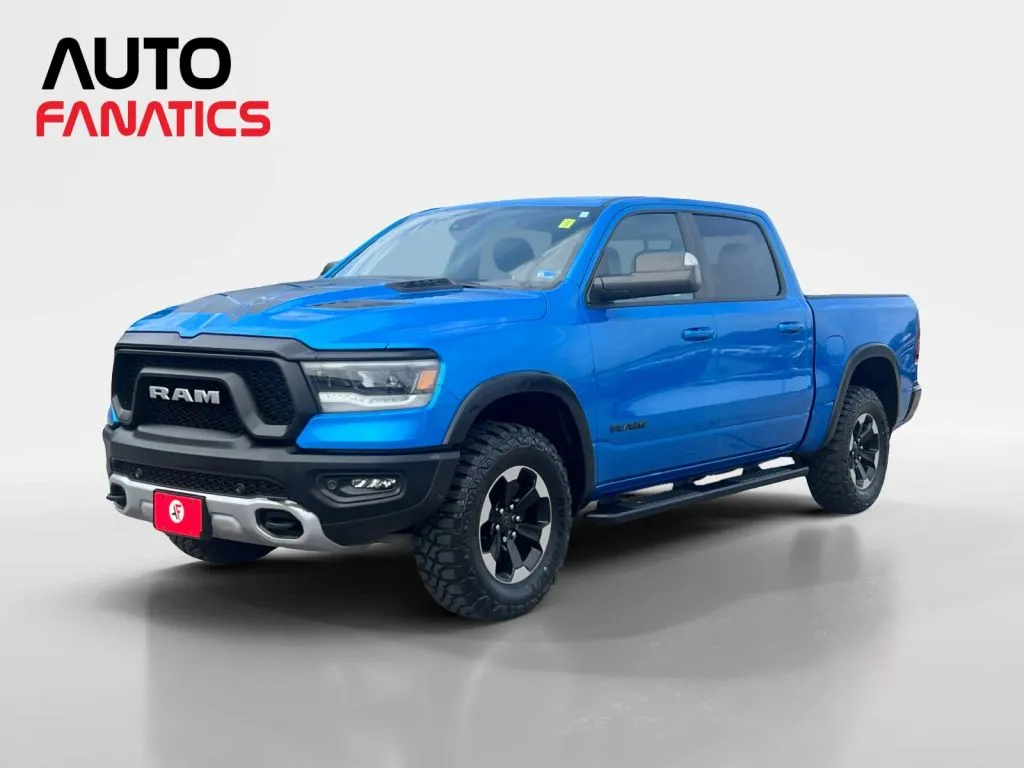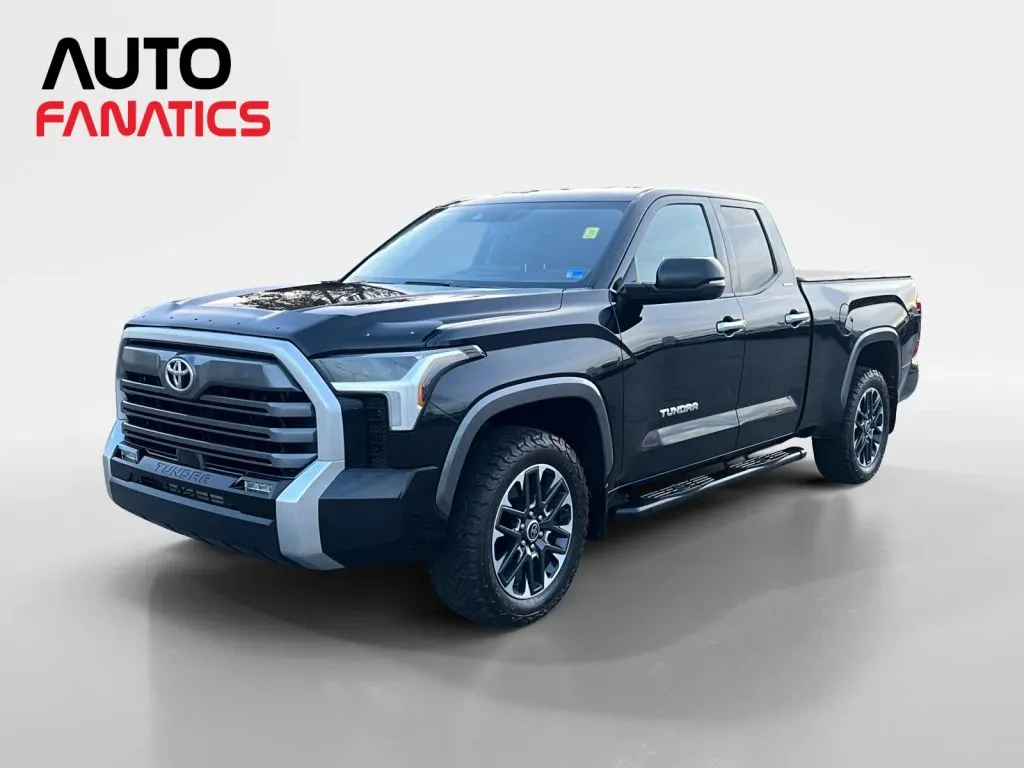
Ford F150 Price Range: What Used Buyers Should Budget
A ford f150 price range is not one fixed number. It depends on model year, trim, mileage, condition, drivetrain, cab and bed, equipment, and the details of each truck. For buyers in Fredericksburg and nearby Northern Virginia, the useful question is not simply what an F-150 costs, but how to compare similar trucks and decide what fits your needs and budget.
Browse used vehicles in Fredericksburg
Why does the Ford F-150 price range vary so much?
The F-150 name covers many model years, equipment levels, and configurations. A work-focused truck and a more highly equipped model are not direct substitutes, even when both carry the same badge. Age, mileage, condition, options, and local availability all shape asking prices.
Begin with current examples rather than a number from an old article or an online estimate. Consumer Reports lists ranges by F-150 model year, including broad values for recent model years. These figures can help frame research, but they are not a quote for a particular truck or a promise about current Fredericksburg inventory. Review Consumer Reports’ Ford F-150 information, then verify the displayed price and details on the specific vehicle you are considering.
A market range is a starting point, not a verdict. A truck outside the range you expected may differ in year, trim, mileage, condition, or equipment. Listings also change, so record when you checked them and confirm availability before planning a visit.
It helps to separate three different ideas: a broad market reference, a seller’s current asking price, and the amount you can comfortably spend. They answer different questions. A published range offers context; the live listing gives the current ask; your own budget determines whether that particular truck is a sensible choice.
Which year and trim details should you compare?
Model year is a useful first filter, but it does not tell you everything about a truck. Newer examples may have equipment or technology you want, while older examples may have a lower asking price. Compare the features that matter in your use rather than assuming newer always means better value.
Trim names offer a shorthand for equipment, but verify what is actually on the individual vehicle. Packages and options can make two trucks with the same trim differ. Before browsing, write down must-haves and nice-to-haves. A must-have might be seating for your household; a nice-to-have might be a convenience feature you would appreciate but do not need.
- Compare the same model year or nearby years first.
- Confirm trim and equipment from the listing and the truck itself.
- Separate features essential to your daily use from optional extras.
- Note meaningful differences rather than comparing badges alone.
For example, imagine one listing is newer but has fewer features, while another is older and includes equipment you value. Record both asking prices, then compare the actual features against your budget. The choice depends on which differences matter to you, not on a general rule that a particular year or trim is always worth more.
When a listing uses a trim label you do not recognize, do not guess what it includes. Look for a feature list and ask about the specific item you care about. If the listing is unclear, mark it as an open question instead of treating an assumption as fact. This keeps your comparison fair and prevents the name on the tailgate from doing too much work.
How do mileage, condition, and history affect value?
Mileage is one comparison point, not a complete measure of condition. Two vehicles with similar odometer readings may show different wear or have different maintenance needs. Look at the specific truck, review information provided for that listing, and ask clear questions when something is unclear.
Check the cabin, body, tires, and visible surfaces. During a test drive, pay attention to how the truck feels and note anything you want explained. Do not infer mechanical condition from a photograph or mileage alone. If a detail could change your decision, ask for clarification rather than filling in the gap yourself.
Condition also changes how to think about a lower asking price. Write down visible concerns and consider any work you may need to address. Compare the asking price plus expected near-term costs, rather than focusing only on the large number in the listing. You do not need to predict every future repair; the goal is to keep known needs in view.
Use a consistent walk-around when comparing more than one truck. Look at the same areas on each vehicle, such as seat wear, cargo-bed surfaces, tire condition, exterior panels, and controls you expect to use. Make separate notes for what you observed and what you still need to ask. That distinction matters: an observation is something you saw, while an unanswered question remains uncertain.
If a truck has higher mileage than another, ask whether its overall condition and equipment still make sense for your plans. If one has lower mileage but visible wear or missing features, record those differences too. Neither number nor appearance alone establishes the whole story. Your comparison should combine the evidence you can verify with the questions you want answered.
How do cab, bed, and drivetrain shape the comparison?
Configuration affects how a truck fits daily life. Cab size changes passenger space, while bed length affects the cargo you can carry. Drivetrain may matter for your intended use and the conditions where you drive. Compare the configuration shown in each listing and confirm it on the vehicle.
Write down the layout you need before comparing asking prices. If you often carry passengers, cabin space may matter more than a particular bed length. If you regularly transport longer items, bed dimensions may be central. A buyer whose use is mostly commuting may weigh those details differently from someone who needs a truck for frequent cargo trips.
When two listings differ in cab, bed, or drivetrain, treat that as a real difference rather than a minor detail. A lower ask may reflect a layout that does not suit your needs. Paying more for a configuration you rarely use may also be difficult to justify. The aim is a shortlist that matches your actual use, not the longest feature list.
Try a simple needs exercise. List the people who usually ride with you, the kinds of items you expect to carry, and the roads or conditions you encounter. Then rank the cab, bed, and drivetrain requirements. If a feature is not relevant to your regular use, do not let it outweigh a larger difference that is important every week.
| Factor | What to verify | How to use it in your comparison |
|---|---|---|
| Year and trim | Model year, trim, and equipment on this truck | Compare similar age and features before judging the ask |
| Mileage and condition | Odometer, visible wear, test-drive impressions, open questions | Account for condition differences and possible work |
| Cab and bed | Passenger space and cargo layout | Choose a configuration that fits your daily use |
| Drivetrain | Listing details and fit for your driving needs | Compare like with like when possible |
| Ownership costs | Financing, insurance, fuel, registration, upkeep | Set a sustainable limit beyond the asking price |
How can Fredericksburg buyers compare listings fairly?
Shoppers in Fredericksburg may also consider listings in Spotsylvania, Stafford, Culpeper, Woodbridge, or King George. A wider search can give you more choices, but it makes a consistent checklist more important. Use the same process for each truck and confirm that the listing describes the vehicle you are viewing.
- Set a total spending limit before browsing.
- Choose the year range, trim, cab, bed, and drivetrain that suit your needs.
- Record each listing’s asking price, mileage, equipment, and location.
- Compare condition and write down questions that need answers.
- Account for travel time and cost, especially if your search takes you farther along I-95.
- Check that a listing is still available before setting out.
A comparison sheet keeps the decision grounded. Create columns for asking price, year, trim, mileage, configuration, condition notes, location, and unresolved questions. If one listing appears less expensive, look for differences in those columns before deciding it offers better value.
Use a short, repeatable process for each truck. First capture the listing details. Next, identify mismatches with your must-have list. Then note what you need to verify in person or with the seller. Finally, compare the remaining choices on the same basis. This reduces the chance that a memorable photo or a single attractive number will dominate your decision.
Auto Fanatics emphasizes transparent pricing and a no-pressure buying experience, and the dealership has more than 500 five-star reviews. Customer feedback can give context about other buyers’ experiences, but it cannot replace checking the specific vehicle and its current terms. You can read customer testimonials as part of your research.
Compare current used truck listings with other vehicles you are considering. Inventory can change, so use the information displayed for each available truck rather than relying on an older example. You can also see pickup truck listings in Fredericksburg as part of your search.
What costs belong in your full truck budget?
The asking price is only one part of ownership. Consider financing, insurance, fuel, registration, and upkeep. The amounts depend on your circumstances and the vehicle, so gather estimates that apply to you before deciding what total cost is comfortable.
If you plan to finance, consider the amount financed, loan term, and total repayment, not only the monthly payment. A monthly figure may be easier to fit into a budget when a term is longer, but the amount repaid overall still matters. Auto Fanatics offers financing solutions and Capital One pre-qualification. Review the terms available to you and decide whether they fit your plans.
Make a worksheet before visiting. Start with the purchase amount you can manage, then list costs that follow the purchase. Get an insurance estimate for the vehicle and coverage you expect. Consider fuel based on your driving pattern and the truck’s configuration. Add registration and an upkeep allowance based on your own research and the condition of the vehicle.
Keep estimated costs separate from confirmed figures. For example, if you have not yet received an insurance quote, label it as an estimate rather than treating it as a final amount. This makes it easier to see which parts of the budget are firm and which still need checking.
Do not use every available dollar for the purchase itself. Leaving room for ordinary ownership costs can make a truck more manageable. If a vehicle fits the asking-price limit but pushes the total budget too far, compare another year, trim, or configuration rather than ignoring costs that follow the sale.
Financing conversations should focus on the full terms and your budget. Capital One pre-qualification may help eligible shoppers review a financing option, but pre-qualification is not the same as a final loan agreement. Review the information available to you, ask what applies to your situation, and base your choice on the terms you actually receive.
When considering a trade-in, keep that discussion separate from the truck’s advertised asking price in your notes. Write down the price, any trade-in value discussed, and any financing terms as separate items. This makes it easier to understand each part of the overall transaction and compare your options clearly.
How should you judge market timing and asking prices?
Online prices are snapshots. The mix of trucks available can shift, and individual listings may be updated or removed. A broad market range can help show that prices vary by year, but it does not establish what a specific local truck should cost today.
Keep the date and source beside any reference figure you use. Consumer Reports’ model-year ranges are not a substitute for the current asking price of an individual vehicle. Avoid treating an old listing, national average, or general estimate as proof that a current price is wrong. Instead, compare trucks with similar year, equipment, mileage, condition, and configuration.
When a listing falls outside the range you expected, check for reasons before drawing a conclusion. It may have a different trim, configuration, or condition than the examples you used. If the listing does not explain a difference that matters, ask the seller. Then decide whether its features and total cost fit your priorities.
Make the comparison time-aware. If you saved a listing last week, revisit it before using its price as a benchmark. Check whether the vehicle is still listed and whether the displayed details are unchanged. A saved screenshot or note can help you remember the original information, but it should not replace confirming the current listing.
Think of market research as a range of comparable examples, not a hunt for one perfect number. If you find several trucks with similar year and equipment, note their asking prices and differences. If the vehicles are not truly similar, broaden or adjust the comparison rather than forcing a precise conclusion from unlike examples.
What questions should you ask before choosing a used F-150?
Focused questions help you compare listings without relying on broad labels. Ask about the exact configuration, what is included in the displayed price, and which details you should confirm in person. Keep a record of answers so you can compare each truck consistently.
- Is the displayed price current for this specific vehicle?
- What model year, trim, cab, bed, and drivetrain does it have?
- Which features are included on this truck?
- What costs or terms should I understand before purchase?
- Can I arrange a time to view and test-drive it?
- What information can you clarify about a detail that is not clear in the listing?
Before traveling, check that the listing is still available and confirm the details that matter to you. This is especially useful when comparing trucks across the wider Fredericksburg area. It can save a trip based on an outdated listing or a mistaken assumption about equipment.
Bring your notes when you view a truck. Check each must-have, revisit unanswered questions, and record any new information while it is fresh. If you are comparing two vehicles on separate days, use the same checklist for both so that your impressions are easier to evaluate side by side.
How can you work through two competing listings?
Imagine you have narrowed your search to two trucks. Listing A has the lower asking price, but its cab gives you less passenger room than you want. Listing B costs more, but it matches your preferred seating layout. Before choosing by price alone, decide how often you will use the extra room and whether the difference fits your budget.
Now add mileage, condition, equipment, and ownership costs. If Listing A has a visible concern that you may need to address, include that estimated amount in your notes. If Listing B has features you will not use, do not count them as value simply because they are present. The practical question is: which truck meets your needs at a total cost you can manage?
For a more concrete comparison, make two columns and enter the same categories for each vehicle. Put confirmed facts at the top, then list open questions below. Add travel time if one truck is farther away. Do not let a small difference in asking price hide a mismatch in configuration or a budget that leaves no room for ownership costs.
Use the same reasoning when comparing a local option with one farther away. Include travel time and the possibility that the vehicle may no longer be available when you arrive. Do not let a long drive or time spent researching force you into a choice that does not fit.
If neither vehicle clearly fits, pause and revise your search criteria. You might broaden the year range, adjust a nonessential feature, or wait for another comparable listing. A disciplined comparison can show that the right decision is to keep looking rather than to select the first truck that appears close.
Frequently Asked Questions
Is there one typical Ford F-150 price range?
No single range applies to every used F-150. Model year, trim, mileage, configuration, condition, and local inventory affect asking prices. Compare current trucks with similar details and check the specific listing.
Should I choose the truck with the lowest asking price?
Not automatically. Compare condition, equipment, configuration, and expected ownership costs as well as price. A truck that fits your needs may be a stronger choice even if it is not the least expensive option.
How do I know whether a listing is current?
Check the live listing and confirm its displayed price and availability before making plans. Market estimates and older examples do not confirm current local inventory.
What should I budget beyond the purchase price?
Include financing, insurance, fuel, registration, and upkeep. Gather estimates for your own circumstances, then leave room for costs beyond the purchase itself.
A careful comparison helps you understand an asking price, select a truck that fits your needs, and set a budget that covers ownership as well as purchase.