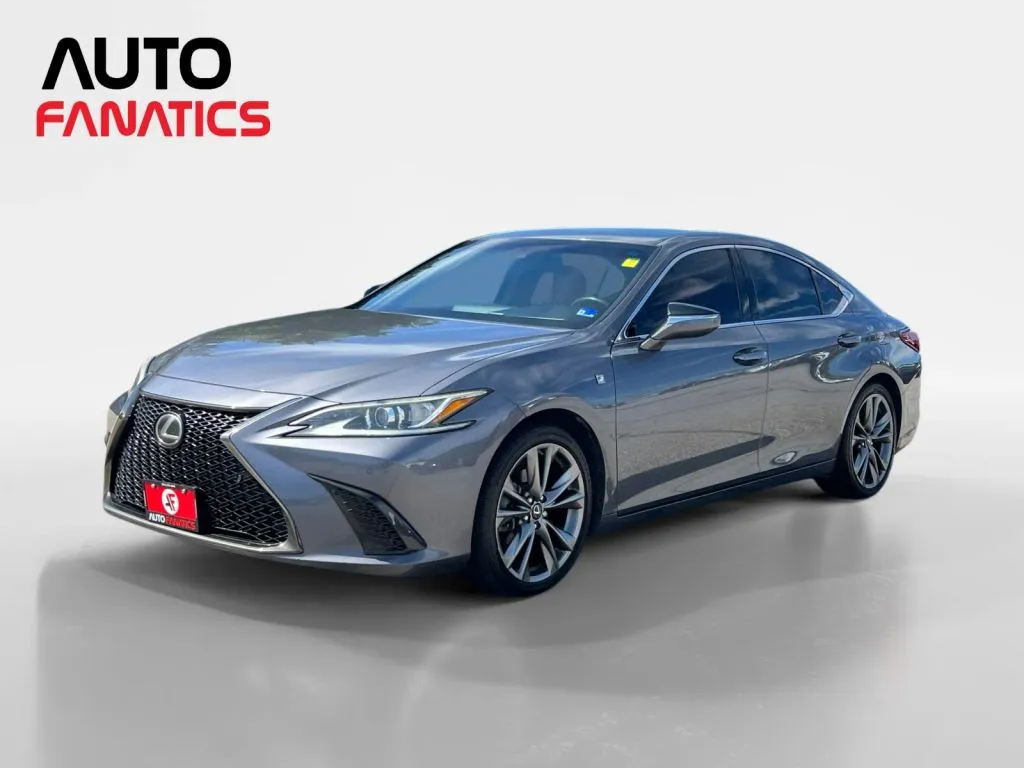
7 Best Fuel-Efficient Used Cars for Smart Buyers

Let’s clear up a common myth: you don’t need the latest model fresh off the assembly line to save money on gas. Thanks to years of improving technology, many vehicles from the last decade are designed to be incredibly efficient. The secret isn't the car's age, but its design, engine technology, and how well it was maintained by its previous owner. A well-cared-for sedan or crossover can easily outperform a neglected newer model. This means your options for finding affordable, fuel-efficient used cars are wider than you might think. We’ll show you what really matters, so you can shop with confidence and find a car that’s both a joy to drive and easy on your budget.
Key Takeaways
- Focus on Maintenance, Not the Model Year: A car’s fuel efficiency is tied directly to its design and how well it was cared for. Prioritize vehicles with a solid service history and modern features like smaller engines or aerodynamic shapes to get the best MPG.
- Calculate the Total Cost of Ownership: The sticker price is just the beginning. To find the best value, consider the long-term expenses of fuel, insurance, and potential maintenance to ensure the car truly fits your budget.
- A Thorough Inspection Confirms Real-World MPG: A car's efficiency on paper means nothing if it isn't running properly. Use your test drive to check the engine's health, review tire conditions, and look at maintenance records to verify you're getting a vehicle that will perform as promised.
What Makes a Used Car Fuel-Efficient?
When you think about fuel efficiency, it’s easy to picture a brand-new car fresh off the lot. But the truth is, you don’t need the latest model to save money at the pump. Many used cars are incredibly fuel-efficient—it all comes down to understanding what to look for. The age of a car is far less important than its design, technology, and how well it was maintained.
A car’s engine size is one of the biggest factors. Generally, smaller engines don’t need as much fuel to get the job done. But technology matters, too. Automakers have been making engines more efficient for years, so even a vehicle that’s a few years old can have modern features that help it sip gas. The car’s overall design also plays a major part. Lighter vehicles with aerodynamic shapes cut through the air more easily, which means the engine doesn’t have to work as hard. This is why you’ll often see sleek sedans and compact cars posting higher MPG numbers than heavier vehicles like some trucks or large SUVs.
Finally, a car’s history is key. A vehicle that has received regular oil changes, has properly inflated tires, and has been generally well-cared-for will always perform more efficiently than one that’s been neglected. That’s why every vehicle at Auto Fanatics goes through a meticulous inspection. We make sure that when you browse our wide selection of used vehicles, you’re seeing cars that are ready to perform at their best for you.
Our Top Picks for Fuel-Efficient Used Cars
Ready to spend less time at the pump and more time on the road? We’ve gone through some of the most popular fuel-sippers to give you a list of our favorite models. Whether you’re leaning toward a hybrid or a traditional gas-powered car, these vehicles consistently deliver great mileage without sacrificing the reliability you deserve. Here at Auto Fanatics, we've helped countless drivers in Fredericksburg find the perfect car, and these models are some of the top fuel-efficient used cars we often recommend. Our commitment to quality and transparency is why we have over 500 five-star reviews, and it's the same standard we apply when selecting cars for our lot.
Choosing a fuel-efficient vehicle is one of the smartest financial decisions you can make. It’s not just about saving money on gas each week; it’s about investing in a car with a lower total cost of ownership. These cars often hold their value well and require less frequent fill-ups, giving you more freedom and flexibility in your budget. We've handpicked a few standout models—some hybrid, some gas-only—that have proven track records for performance and efficiency. Let's look at some top contenders that will keep both your wallet and your gas tank happy.
The Best Hybrid Models for Maximum Savings
Hybrid technology has come a long way, and these models are proof that you can have it all: efficiency, style, and practicality. The Toyota Prius is a classic for a reason, known for its incredible reliability and MPG that often tops 50. For something a bit sleeker, the Hyundai Ioniq Hybrid is a fantastic choice, delivering some of the best fuel economy you can find. And if you need the space of a crossover without the gas-guzzling habit, the Kia Niro is a perfect fit, blending family-friendly utility with impressive efficiency. These models are smart investments that help you save money month after month.
The Most Efficient Gas-Only Cars
You don't have to go hybrid to save on gas. Many traditional cars are built to be incredibly efficient, making them excellent choices for any driver. The Honda Civic and Toyota Corolla are legendary for their dependability and low running costs, consistently offering excellent MPG. The Hyundai Elantra is another standout with a stylish design and great fuel economy. If you're looking for a budget-friendly city car, the Chevrolet Spark is a compact option that's easy on your wallet from the day you buy it. You can find many of these reliable models in our inventory of used cars.
What Kind of Gas Mileage Can You Expect?
When you’re shopping for a used car, one of the biggest questions is usually about gas mileage. It’s a huge factor in your long-term budget, and thankfully, you don’t have to buy a brand-new vehicle to get fantastic fuel economy. Many modern used cars deliver impressive numbers that will save you money at the pump for years to come.
So, what kind of numbers should you look for? It depends on the model, but the results can be impressive. For example, a used Toyota Prius is famous for getting around 50 miles per gallon (MPG) combined. Other popular hybrids, like the Hyundai Ioniq, can push that even higher, sometimes reaching up to 58 MPG combined. Even if you’re not set on a hybrid, you have plenty of great options. A reliable gas-powered sedan like the Honda Civic can offer around 40 MPG on the highway, making it a perfect choice for commuters. You can explore our current selection of fuel-efficient cars to see what’s available right now.
There’s a common myth that used cars are always less efficient than new ones, but that’s simply not the case. A well-maintained used car can be just as fuel-efficient as its newer counterpart. It really comes down to the specific make and model, its engine size, and how well it was cared for by its previous owner. As you budget, remember that fuel savings add up over time. You can use a car loan calculator to see how lower fuel costs impact your total monthly expenses, giving you a clearer picture of what you can afford.
How to Choose the Right Fuel-Efficient Car
Finding the perfect fuel-efficient car goes beyond just looking at the MPG rating on the window sticker. It’s about finding a vehicle that fits your lifestyle, budget, and long-term needs. Think of it as a complete package: you want a car that sips gas, runs reliably, and won’t surprise you with unexpected costs down the road. Choosing a fuel-efficient used car is a smart move that helps you save money on gas, is kinder to the environment, and often costs less upfront than buying new.
To make the best choice, you need to look at a few key areas. First, consider the features and technology that actually contribute to better mileage. Not all "eco" features are created equal. Next, you have to dig into the car's past. A vehicle's reliability and maintenance history are huge factors in how efficiently it will run for you. Finally, it's crucial to understand the "total cost of ownership," which includes everything from fuel and insurance to potential repairs. By looking at these three pieces together, you can confidently pick a car that will be a great value for years to come. We keep these factors in mind for every vehicle in our inventory, ensuring you have great options to choose from.
Key Features and Tech to Look For
When you're comparing cars, look for features that are proven to improve fuel economy. Smaller engine sizes, like four-cylinders, generally use less fuel than larger V6 or V8 engines. The vehicle's weight and aerodynamics also play a big role—lighter, sleeker cars cut through the air with less effort. Modern technology can make a huge difference, too. Look for features like continuously variable transmissions (CVTs), which optimize engine performance, or automatic stop-start systems that shut the engine off at idle to save fuel. These thoughtful designs are what separate a good car from a great one when it comes to saving at the pump. You can find many of these features in our selection of fuel-efficient sedans and coupes.
How to Evaluate a Car's Reliability and Maintenance History
A car's fuel efficiency is directly tied to how well it has been cared for. Even the most efficient model will guzzle gas if it hasn't been properly maintained. That's why checking the vehicle's history is so important. A vehicle history report will show you its service records, accident history, and number of previous owners. At Auto Fanatics, we meticulously inspect every vehicle before it hits our lot, but we always encourage a second opinion. Having a trusted mechanic look over the car before you buy is one of the smartest things you can do. It gives you peace of mind and confirms you're getting a reliable vehicle that will perform as it should. Our commitment to transparency is why over 500 customers have given us five-star reviews.
What Is the "Total Cost of Ownership?"
The sticker price is just the beginning of what you'll spend on a car. The "total cost of ownership" gives you a much clearer picture of your long-term expenses. This includes the purchase price plus the ongoing costs of fuel, insurance, routine maintenance (like oil changes and new tires), and any potential repairs. Fuel-efficient used cars are a fantastic value because they are not only cheaper to buy but also cheaper to own and operate over time. Before you commit, take a moment to estimate these costs. Using a car loan calculator can help you understand your monthly payments, leaving you room in your budget for these other essential expenses. Thinking about the big picture ensures your new-to-you car is a great financial decision.
What to Inspect Before You Buy
Once you’ve narrowed down your options, it’s time for a closer look. A thorough inspection is your best tool for confirming a car’s condition and its potential for great gas mileage. While every vehicle at Auto Fanatics goes through a meticulous inspection process—a key reason behind our 500+ five-star customer reviews—knowing what to look for yourself will give you complete peace of mind. A well-maintained car is an efficient car, and these checks will help you verify you’re getting a great vehicle that will save you money at the pump for years to come.
Check the Engine and Transmission Health
The engine and transmission are the heart and soul of your car, and their health is directly tied to fuel efficiency. A smooth-running engine uses fuel exactly as it should, while a struggling one will burn through gas. During a test drive, pay attention to how the car feels and sounds. Does the engine start easily and idle smoothly? Does the transmission shift without jerking or hesitation? Many modern used cars have engines designed for excellent efficiency, but that potential is only realized if they’ve been well-maintained. Don’t be afraid to pop the hood and look for obvious signs of leaks or neglect.
Review Tire Condition and Maintenance Records
Tires and paperwork might not be the most exciting parts of car shopping, but they tell a crucial story. Underinflated or worn-out tires can reduce your MPG, so check the tread depth and look for uneven wear. More importantly, ask for the vehicle’s maintenance records. A thick folder of receipts for regular oil changes and tune-ups is a fantastic sign. It shows the previous owner cared for the vehicle, which means its engine, transmission, and other components are more likely to be in top shape for optimal fuel economy. This information also gives you a solid foundation for understanding the car's value.
Spot the Red Flags That Hurt Fuel Economy
It’s a common myth that used cars are always less fuel-efficient than new ones. In reality, a well-kept used car can easily match the MPG of a new model. The key is to spot any red flags that could indicate an underlying problem. Is the check engine light on? Do you see any colored smoke coming from the exhaust? Listen for any strange noises like knocking or grinding during your test drive. These can all be signs of issues that hurt fuel economy. By choosing a vehicle from a trusted dealer, you can be confident that our entire inventory has already been screened for these kinds of problems.
Common Myths About Fuel-Efficient Cars
When you’re shopping for a used car, it’s easy to get tripped up by outdated advice and common myths, especially when it comes to fuel efficiency. These misconceptions can steer you away from a great vehicle or, worse, lead you to overspend on a car that doesn’t actually fit your needs. The truth is, the world of fuel-efficient cars is much broader and more accessible than many people think. You don't have to sacrifice performance, reliability, or your budget to save money at the pump.
Let's clear the air and tackle some of the biggest myths head-on. We'll look at why a lower price tag doesn't mean lower quality, why you don't need a hybrid to get fantastic MPG, and why a car's age isn't the best indicator of its efficiency. By understanding the facts, you can shop with confidence and find a car that’s perfect for your wallet and your lifestyle. It’s all about knowing what to look for, which is something we pride ourselves on helping our customers do every day—a commitment reflected in our 500+ five-star reviews.
Debunking Price vs. Value Myths
One of the most persistent myths is that an affordable, fuel-efficient car must have a catch, like a shorter lifespan or frequent repair bills. Many buyers assume that a lower upfront cost automatically means you're compromising on long-term reliability. In reality, a car's value is determined by its overall condition and maintenance history, not just its price. A well-maintained, efficient vehicle from a trusted brand can provide years of dependable service. Instead of fearing a good deal, focus on the car's history and consider adding extra peace of mind with available automotive protection plans that cover unexpected repairs down the road.
Why Great MPG Isn't Just for Hybrids
It’s easy to think that achieving incredible gas mileage is exclusive to hybrid or electric vehicles. While hybrids are certainly champions of efficiency, you don’t have to own one to save on fuel. Thanks to advancements in engine technology like turbocharging and direct injection, many modern gasoline-powered cars, trucks, and SUVs offer impressive MPG ratings that can compete with older hybrids. The key is to look at the specific make and model. A well-cared-for sedan with an efficient four-cylinder engine can easily outperform a larger, poorly maintained vehicle of any type. Don't limit your search—you might be surprised by the efficient options available.
Don't Judge a Car by its Age or Brand
Another common misconception is that used cars are automatically less fuel-efficient than new ones. While technology is always improving, federal fuel economy standards have been pushing automakers to make all their vehicles more efficient for years. This means that even a car that's a few years old can have excellent gas mileage. The most important factors are how the car was designed and how it was maintained. A five-year-old car with a clean service record and a modern engine design will often be a much smarter, more efficient choice than a brand-new car that doesn't fit your budget or driving needs.
Where to Find Reliable, Fuel-Efficient Used Cars
Once you know what you’re looking for, the next big question is where to look. The search for the perfect fuel-efficient car can take you to a lot of different places, from sprawling online marketplaces to local private sellers. Each option has its pros and cons, and knowing the difference can save you a lot of headaches.
Online Marketplaces and Private Sellers
Websites like CarGurus, Facebook Marketplace, and Craigslist can feel like a great place to start. They offer a massive selection right at your fingertips, letting you browse hundreds of cars without leaving your couch. You might even find what looks like a great deal from a private seller in your neighborhood.
However, buying from a private seller comes with its own set of risks. You’re responsible for verifying the car’s history, arranging for an independent inspection, and handling all the title and registration paperwork yourself. There are no warranties or guarantees, so if something goes wrong a week after you buy it, you’re on your own. While you might save a little money upfront, the potential for hidden problems can make it a costly gamble.
The Trusted Dealership Experience
For peace of mind and a smoother process, nothing beats a reputable local dealership. At a place like Auto Fanatics, the work is already done for you. Every vehicle in our inventory of cars, trucks, and SUVs has been meticulously inspected to ensure it meets high standards for quality and reliability. You can shop with confidence, knowing you aren’t buying someone else’s hidden problems.
Beyond the quality of the cars, a trusted dealership simplifies the entire buying process. We handle all the paperwork and can help you secure competitive financing options on the spot. Plus, you’re working with a team that has a reputation to uphold. With over 500 five-star customer reviews, we’re committed to a transparent, no-pressure experience that puts you in the driver’s seat. Choosing a dealership means choosing a partner who will stand by the car you buy.
How to Negotiate the Best Price
Walking into a dealership to talk numbers can feel intimidating, but it doesn’t have to be. Negotiating the price of a used car is simply a conversation to make sure you and the seller agree on a fair value. At a dealership that values transparency, like Auto Fanatics, you’re already starting from a good place. Our team has earned over 500 five-star reviews because we focus on helping you find the right car at the right price, without any high-pressure tactics.
Even so, being prepared helps you feel confident in your decision. Knowing the car's market value and having a clear budget in mind ensures the entire process is smooth and stress-free. It’s less about haggling and more about confirming you’re getting a great deal on a reliable vehicle. Think of it as the final step in your research, where you put all your knowledge to work to drive away happy.
Use Research to Guide Your Offer
Before you even step onto the lot, your best tool is your smartphone or computer. A little bit of homework goes a long way. Look up the make, model, and year of the car you’re interested in on sites like Kelley Blue Book or Edmunds to see its average market value. This information gives you a solid, impartial baseline for what the car is worth.
When you have this data, you can confidently make an offer that is fair and reasonable. It shows you’ve done your research and are a serious buyer. You can also use a car loan calculator to understand how the price fits into your monthly budget, giving you a clear picture of what you can comfortably afford.
How to Use Fuel Efficiency as a Bargaining Chip
When you're buying a fuel-efficient car, the long-term savings are a huge part of its value. However, a car's real-world MPG depends heavily on its condition. During your inspection or test drive, pay attention to anything that might affect its efficiency. Are the tires properly inflated and in good shape? Does the engine run smoothly?
If you spot any maintenance issues that could impact fuel economy, it’s fair to bring them up. For example, if the car needs new tires or has a check engine light on, those are valid points for discussion. Many modern used SUVs are designed for great gas mileage, but only if they've been well-maintained. Pointing out necessary repairs isn't about lowballing—it's about agreeing on a price that reflects the car's actual condition.
How Much Money Can You Actually Save?
Choosing a fuel-efficient car feels like a smart move, but what does that actually mean for your bank account? The answer is: a lot more than you might think. It’s not just about feeling good about your choice; it’s about tangible savings that add up month after month. At Auto Fanatics, our goal is to help you find a car that fits your life and your budget, a commitment reflected in our 500+ five-star customer reviews. When you focus on MPG, you’re making a long-term investment in your financial well-being. Let’s break down exactly how much you can expect to save.
Calculate Your Annual Fuel Savings
The math is simpler than you might expect. Let’s say you drive about 15,000 miles per year, which is pretty average. If you choose a car that gets 50 miles per gallon, you’ll use around 300 gallons of gas annually. At $3.50 per gallon, that’s $1,050 for the year. Now, compare that to a less efficient car that only gets 25 MPG. That vehicle would require 600 gallons of gas, costing you $2,100 a year. That’s a difference of over $1,000 annually—money that could go toward a vacation, savings, or just easing your monthly expenses. You can use a car loan calculator to see how these fuel savings can free up room in your overall budget.
Look for Financial Incentives and Tax Benefits
The savings don't always stop at the gas pump. Depending on the vehicle you choose, you might be eligible for extra financial perks. Many states and even the federal government offer tax credits or rebates for purchasing certain hybrid or electric vehicles. These incentives are designed to encourage drivers to choose more environmentally friendly cars, but they also put a significant amount of money back in your pocket. While these programs can change, it’s always worth checking the latest regulations when you’re shopping. It’s an incredible bonus that can lower the total cost of your car and make a fuel-efficient model an even smarter financial decision.
Related Articles
- Top 6 Reliable Trucks with Good Gas Mileage
- How to Find the Best Used Car Deals
- Your Guide to Shopping for the Perfect Used SUV
Frequently Asked Questions
Do I have to buy a hybrid to get good gas mileage? Not at all. While hybrids are famous for their high MPG, many traditional gas-powered cars are incredibly efficient. Automakers have made huge strides with smaller, smarter engines and more aerodynamic designs. A well-maintained sedan like a Honda Civic or Toyota Corolla can easily save you plenty of money at the pump without the specialized technology of a hybrid.
Are older cars always worse on gas than new ones? This is a common myth, but a car's age is far less important than its condition and original design. A five-year-old car that was built for efficiency and has been meticulously maintained will often outperform a brand-new vehicle that wasn't designed with MPG in mind. The key is to focus on the specific model's track record and its service history, not just the year it was made.
How much does a car's maintenance history affect its fuel economy? It has a huge impact. A car's fuel efficiency rating is based on it running in peak condition. Simple things like regular oil changes, clean air filters, and properly inflated tires are essential for getting the best possible mileage. A vehicle with a spotty service history will almost certainly burn more fuel than one that has been consistently cared for.
What are some simple things to check during a test drive that relate to fuel efficiency? During your test drive, listen for how smoothly the engine runs and how the transmission shifts. Any hesitation or rough sounds could signal an issue that wastes fuel. Also, check the tires to make sure they have even wear and are properly inflated. Finally, make sure no warning lights, especially the check engine light, are illuminated on the dashboard.
How can I figure out my potential fuel savings? A great way to see the real-world impact is to compare the MPG of a car you're considering to your current vehicle. Estimate how many miles you drive in a typical year and calculate the annual fuel cost for both cars based on current gas prices. The difference between those two numbers is your potential annual savings, which can often be hundreds, if not thousands, of dollars.