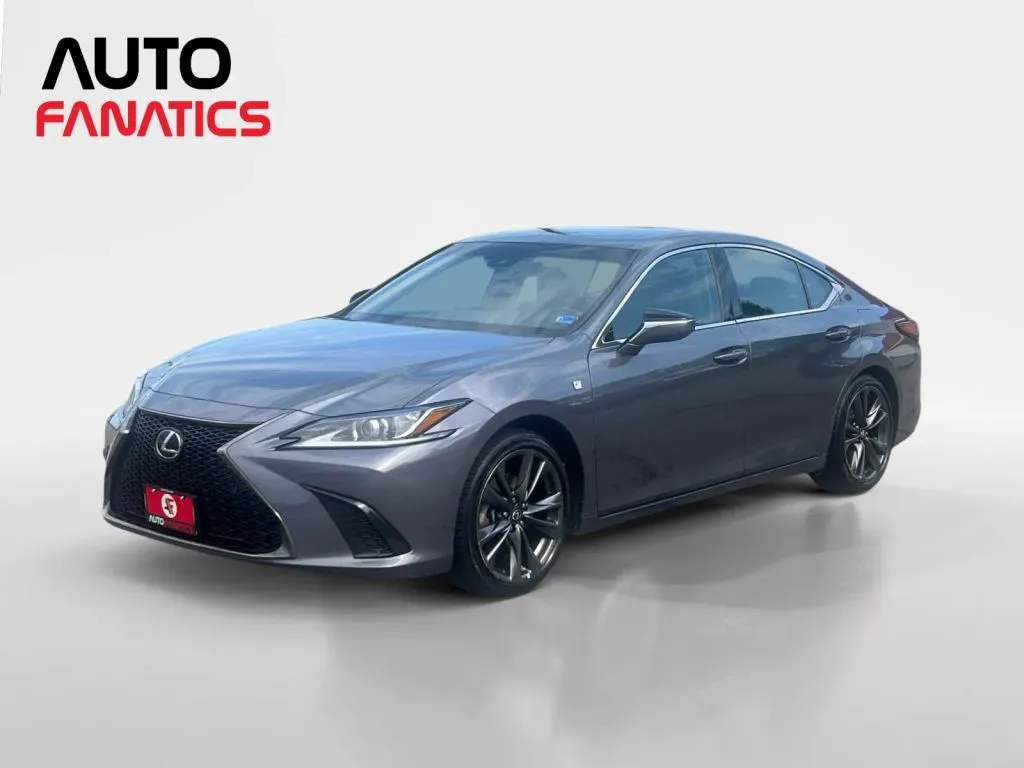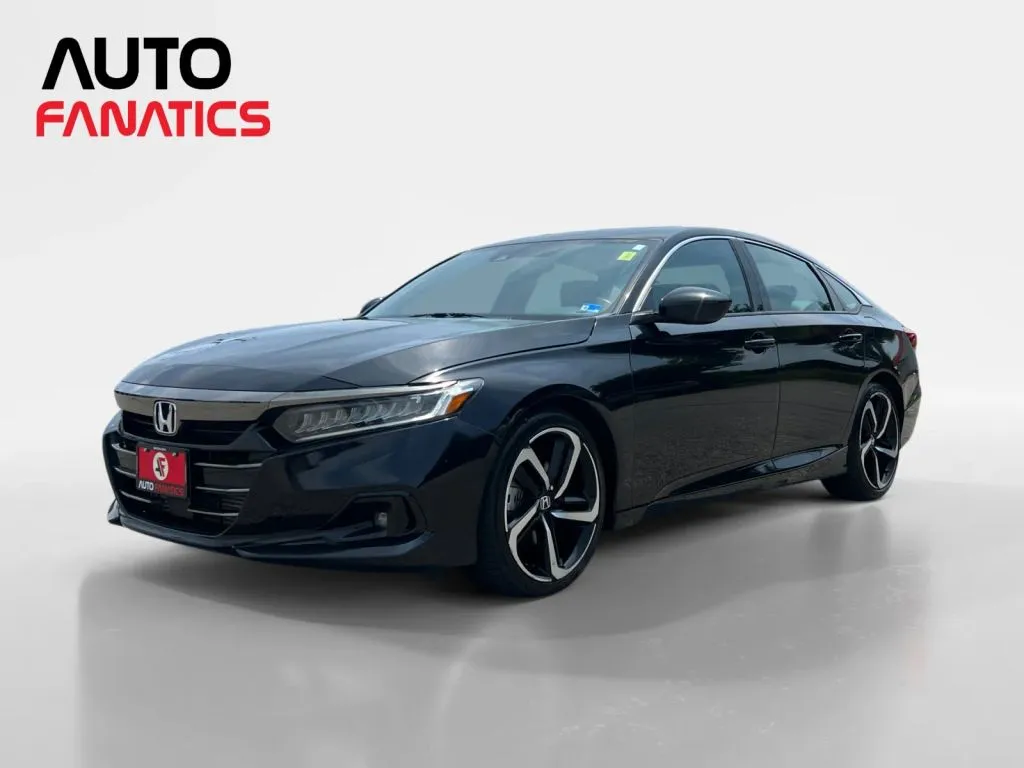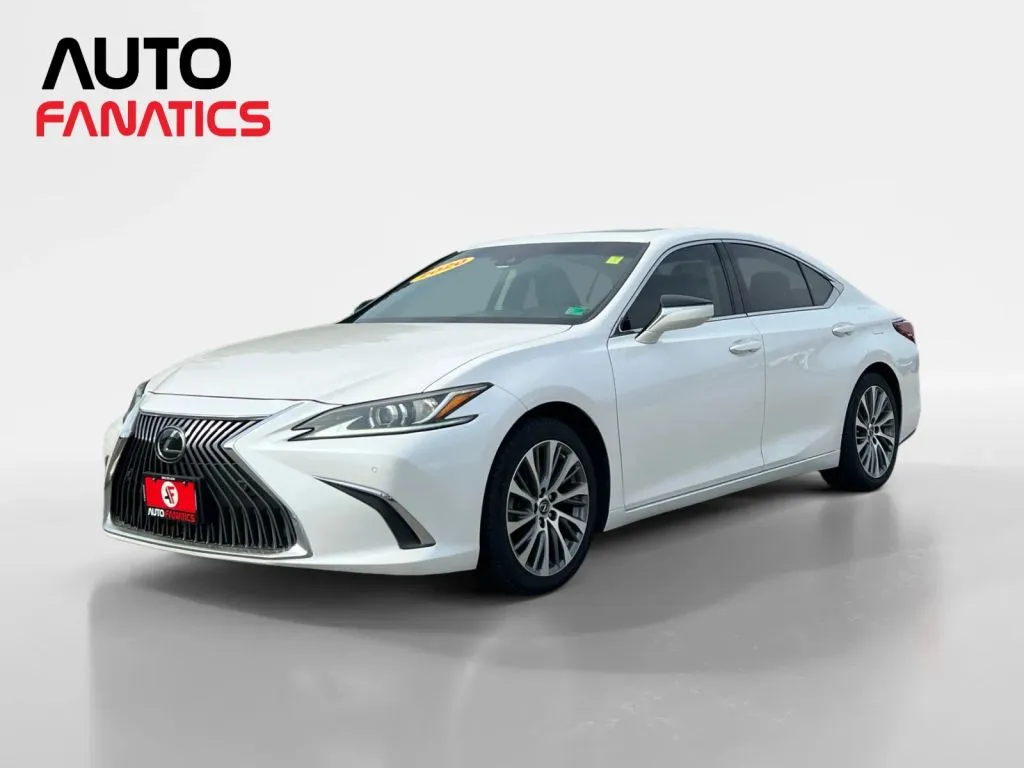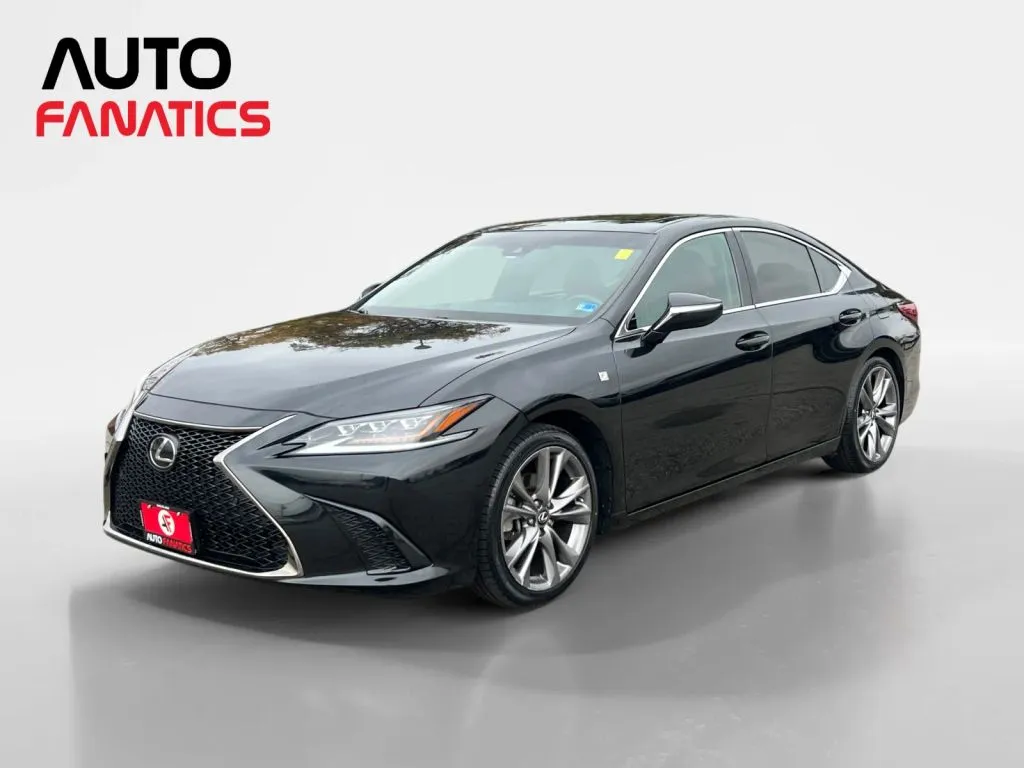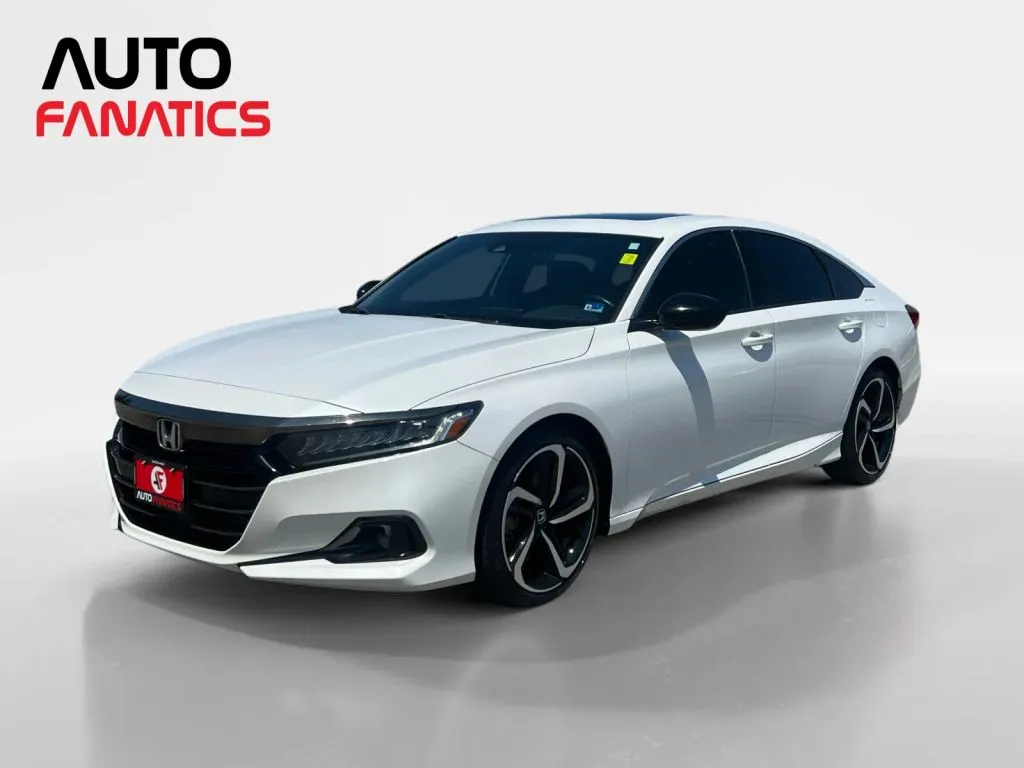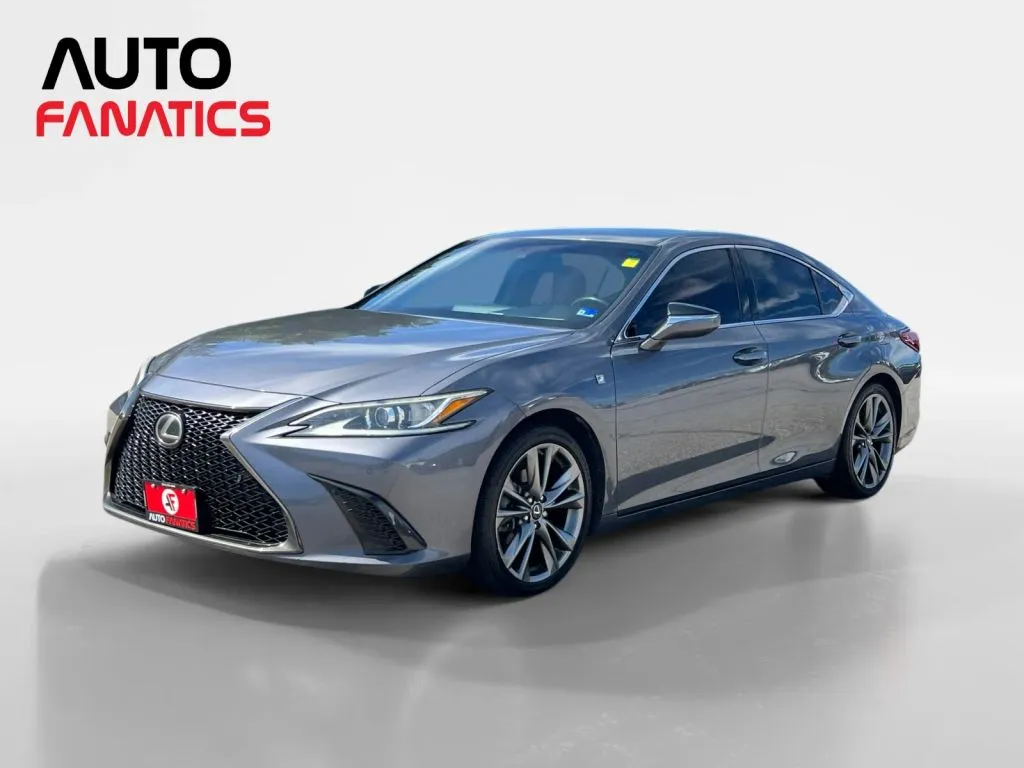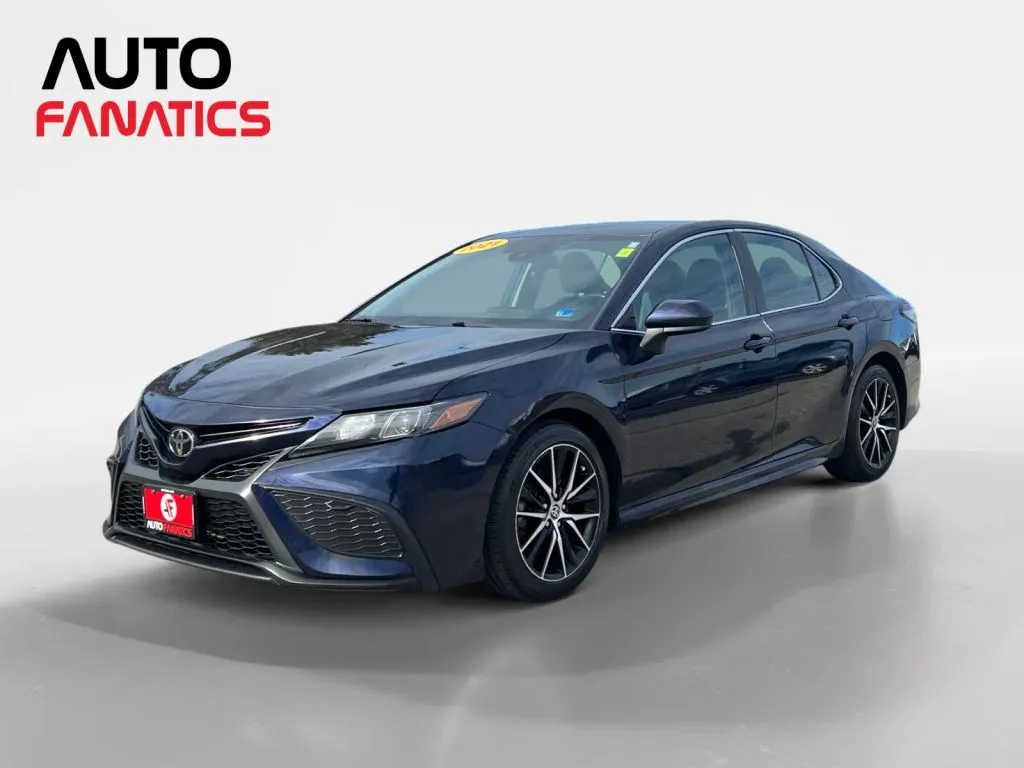
Luxury Preowned Cars: Compare Value, History, and Fit
Luxury preowned cars can look similar on a lot and feel very different after a year of ownership. A clean paint job and a low odometer leave out three facts. They do not show who paid for the brakes, whether the all-wheel-drive service was done, or how old the safety tech is. The useful comparison is value against condition, not badge against badge.
Shoppers around Fredericksburg, Spotsylvania, Stafford, Culpeper, Woodbridge, and King George often cross I-95 to look at two or three premium vehicles in one afternoon. Use the same five checks on each one. Start with service history, then ownership cost, features, inspection results, and the protection-plan questions you still need answered.

Browse current used inventory in Fredericksburg
What should you compare on luxury preowned cars?
A fair comparison uses the same questions for every vehicle. Write them down before you fall for a color or a sunroof. Premium badges hide big differences in repair history, tire cost, and the age of driver aids.
Compare these five things side by side:
- Service history. Look for dated records, not a verbal promise that it was maintained.
- Ownership cost. Price the tires, brakes, fluids, and insurance before you compare stickers.
- Features that still matter. Check whether the safety and comfort tech matches how you drive.
- Inspection results. Ask what was measured, not only whether it passed.
- Protection-plan fit. Ask what a plan would and would not cover before you treat it as part of the deal.
Keep model-specific research in its own place. A Lexus ES350 buyer's guide can help if that sedan is one of the cars you are weighing. It should not replace a cross-brand comparison. The same is true for a general used-car evaluation checklist. Use that list for the walk-around, then come back here for the premium-car cost questions.
How do you read service history before you compare price?
Service history is the first tiebreaker on luxury preowned cars. Two vehicles with the same miles can have very different futures. One may show oil services, brake work, and fluid changes on a steady schedule. The other may show a long gap and a recent detail.
Ask for records you can read, not a summary. Useful pages name the date, the mileage, and the work performed. A stack of car-wash receipts is not the same thing as a timing-chain service or a transmission-fluid change.
Sort the file into three piles:
- Routine care. Oil, filters, tires, brakes, and alignments.
- Major services. Transmission fluid, coolant, spark plugs, differentials, and transfer-case service on all-wheel-drive models.
- Repairs. Cooling, suspension, electronics, and anything done after a warning light.
A missing folder is not an automatic no. It is a reason to slow down. Ask whether the dealer can request records from a prior shop, and put the gap next to the asking price. A lower sticker can be the better buy only if the missing work is priced into the deal.
One owner can make the story easier to follow, but it is not a quality grade by itself. Our one-owner used vehicle guide explains what that history does and does not prove. Pair it with a clean title check using the clean-title used car guide so a rebuilt or branded title does not hide inside a luxury listing.
Which ownership costs change luxury preowned cars?
The sticker is only the starting number. Luxury preowned cars often cost more to keep on the road even when the purchase price looks close to a mainstream sedan. Tires, brakes, and insurance are the three costs that surprise people first.
Price those items before you decide one car is the bargain. A performance tire package can cost far more than a standard touring set. Larger brake rotors cost more at replacement time. A direct-injection engine can need extra induction service that a simpler engine does not.
Use this worksheet while you shop. Fill the same rows for each vehicle so the comparison stays honest.
| Cost to compare | What to ask | Why it changes value |
|---|---|---|
| Tires. | Size, remaining tread, and run-flat or staggered fitment. | A near-new set can be worth more than a small discount. |
| Brakes. | Pad thickness and when rotors were last replaced. | Premium rotors and sensors raise the next service bill. |
| Fluids and filters. | Transmission, coolant, brake fluid, and differential service. | Skipped fluid work is a future repair, not a savings. |
| Insurance. | A quote for this exact year, model, and ZIP code. | Two similar sedans can insure very differently. |
| Fuel. | The window-sticker or EPA figure for that configuration. | All-wheel drive and larger engines raise every commute. |
| Payment. | Term, rate range, and cash due at signing. | A lower sticker can still cost more each month. |
The U.S. Department of Energy's FuelEconomy.gov site lets you look up official fuel-economy figures by vehicle. Use the figure for the engine and drivetrain in front of you, not a number from a different trim. Then run the payment side through the used-car finance calculator so a longer term does not disguise a higher price.
The Consumer Financial Protection Bureau's auto loan tools explain how to compare loan offers, including the rate, the term, and the total you will pay. That step matters on a premium car because the amount financed is larger. A small rate gap costs more dollars over the same months.
If you want a plain explanation of calculator inputs before you plug in numbers, read the car financing calculator guide. For a side-by-side look at used-auto loan types, the used car loans comparison keeps that research separate from this vehicle comparison. Capital One pre-qualification is available through Auto Fanatics and does not change the vehicle questions above.
How should features and inspection results affect the choice?
Features are part of condition, not a separate prize. A heated steering wheel is nice on a Stafford morning. It does not offset a weak service file. Score the features you will use, then score the inspection the same way.
Ask which driver aids the car actually has. Adaptive cruise, blind-spot monitoring, and a surround camera vary by year and package. An older system can still be useful. It should not be described as the same thing as a current one. The Insurance Institute for Highway Safety publishes vehicle ratings. Check the crash-test result for that model year before you treat two cars as equal on safety.
Comfort features deserve the same honesty. Leather, heated seats, and a premium audio brand are easy to see on a listing. Confirm they work on the test drive. A worn driver's cushion or a speaker that cuts out belongs in the condition notes. If those comfort items are the main reason you are shopping premium, the leather-seat buyer's notes and the heated-seat buyer's guide go deeper on those details.
Inspection results should name what was checked. A useful report covers brakes, tires, leaks, warning lights, and a road test. Ask for the measurements, not a pass or fail stamp. If a shop found an issue and repaired it, the invoice belongs with the service file.
Plan the drive before you arrive. The Fredericksburg test-drive guide walks through a route that includes local roads, not only a parking-lot loop. Listen for suspension noise, watch for a pull, and try the driver aids you are paying for. Highway manners matter if your week includes I-95.
Drivetrain is a condition item too. All-wheel drive can help in winter, and it also adds fluids and tires to the ownership list. The AWD versus 4WD guide explains that difference so you do not pay for a system you will not use.
What protection-plan questions should you ask?
A protection plan is a separate decision from the car. Do not let it flatten a condition gap. Ask what is covered, what is excluded, and whether the cost is optional before you fold it into the payment.
Auto Fanatics offers protection plans with DKP Administration. The live vehicle protection plans page is the place to review coverage levels, optional benefits, and eligibility. This article will not restate those plan terms. Your job while comparing cars is to ask whether a plan changes the risk you already found in the service file.
Useful questions include:
- Does this vehicle still have any manufacturer coverage, and when does it end?
- Would a plan cover the repair types that showed up in this car's history?
- What is excluded, and is there a deductible?
- Can the plan cost be included in the payment, and is the plan required to buy the car?
- How are claims submitted if a covered repair comes up later?
If two cars are close on price and one has a thinner service file, a plan does not erase that gap. It may still be worth pricing. Get the answer in writing and compare it with the inspection, not with the badge on the trunk.
How do you turn the comparison into a short list?
After the test drives, score each vehicle on the same page. Give service history, ownership cost, features, and inspection results equal space. A pretty interior should not outvote a missing brake service.
A simple score works:
- Strong. Records are complete, wear items are fresh, and the inspection is clean.
- Mixed. One gap exists, and the asking price reflects it.
- Weak. Records are thin, wear items are due, or the inspection left questions open.
Then look at the out-the-door number. Dealer fees, taxes, and add-on products can move two close cars apart. The dealer fees explained guide shows how to read those lines so the comparison stays on the full price.
If you are selling or trading to make room, get a value before you negotiate the next car. The trade-in value tool and the Fredericksburg trade-in guide cover appraisal, payoff, and equity. Keep that math separate from the vehicle score so a strong trade offer does not excuse a weak car.
Auto Fanatics is an independent used-car dealer at 10911 Courthouse Road in Fredericksburg. Shoppers often mention the no-pressure process, and the dealership has more than 500 five-star reviews. Inventory changes, so confirm the exact car on the lot before you plan a visit. Start on the cars hub to browse sedans and other cars, then open the Fredericksburg inventory page for the current lot.
See what is on the Fredericksburg lot today
Frequently Asked Questions
What is the best second-hand luxury car to buy?
There is no single best luxury preowned car for every driver. Compare service records, upcoming maintenance, insurance quotes, and inspection results on the specific vehicles you can test. A well-documented car with fresh tires can beat a flashier badge with a thin file.
Are luxury preowned cars reliable?
Reliability depends on the model year, the maintenance, and the inspection in front of you. Some premium cars are known for long service lives when the fluids and wear items were kept up. Others cost more once a skipped service comes due. Read the records before you treat the badge as the answer.
What is a reasonable budget for luxury preowned cars?
Set the budget from the out-the-door price plus the first year of tires, brakes, insurance, and fuel. A lower asking price is not reasonable if the inspection shows immediate work. Price two or three cars with the same worksheet before you decide.
Should I buy an extended protection plan on a luxury used car?
Only after you know what it covers and what it excludes. A plan can help with later mechanical repairs, and it does not fix a weak inspection or a missing service history. Review the live protection-plan page, ask about deductibles and exclusions, and keep the plan optional unless you choose it.
Do I need a pre-purchase inspection?
Yes, when the seller's inspection does not show measurements for brakes, tires, leaks, and a road test. Ask what was checked and what was repaired. If a question stays open, pause the deal until you have an answer you can read.