Most Reliable Cars: A Used-Buyer Framework
Finding the most reliable cars is not the same as picking a name from a ranked list. For a used vehicle, dependability comes from the model year's track record and from the condition, care, and use of the car in front of you. A short method helps you narrow the field, then check the evidence before you decide.
Browse used cars in Fredericksburg
What Do the Most Reliable Cars Have in Common?
Reliability means a vehicle does its ordinary jobs with a predictable need for maintenance and repairs. It is not a promise that the car will never need work. A well regarded model can still have a neglected example. A carefully maintained car can be a better prospect than its age or mileage first suggests.
Split the question in two. First, how does this model year tend to perform across many vehicles? Second, what can you verify about this particular car, SUV, or truck? The first answer builds a shortlist. The second answer should decide whether you keep looking at that vehicle.
Shoppers around Fredericksburg, Spotsylvania, Stafford, Culpeper, Woodbridge, and King George face the same split. Highway miles on I-95, short local trips, and family use wear vehicles in different ways. A method that ignores your routine will favor a badge over a car you can live with.
How Should You Research the Most Reliable Cars?
Start with information that names the model year, the powertrain, and the kind of evidence behind the claim. A brand reputation can point you toward candidates. It can also hide a weak generation, a troublesome transmission, or a problem limited to one engine.
- Match the year and generation. A redesign can change the engine, transmission, and electronics. Do not apply a report about one year to every car that shares the name.
- Separate surveys from inspections. Owner surveys describe reported experiences. A technical review or a physical inspection answers a different question. Read what the source actually measured.
- Look for a pattern, not one story. A single complaint is not the same as a problem reported across many similar vehicles. Note the system and whether it applies to your year.
- Keep safety separate from dependability. A strong crash result does not tell you the used car was maintained. Treat each rating as one piece of the file.
Consumer Reports' used-car reviews explain how ratings and owner surveys can help shoppers look for a track record of reliability, satisfaction, and safety. Use a model-year report as research, not as a substitute for the car's own records and condition. IIHS vehicle ratings are a separate safety check, not a reliability score.
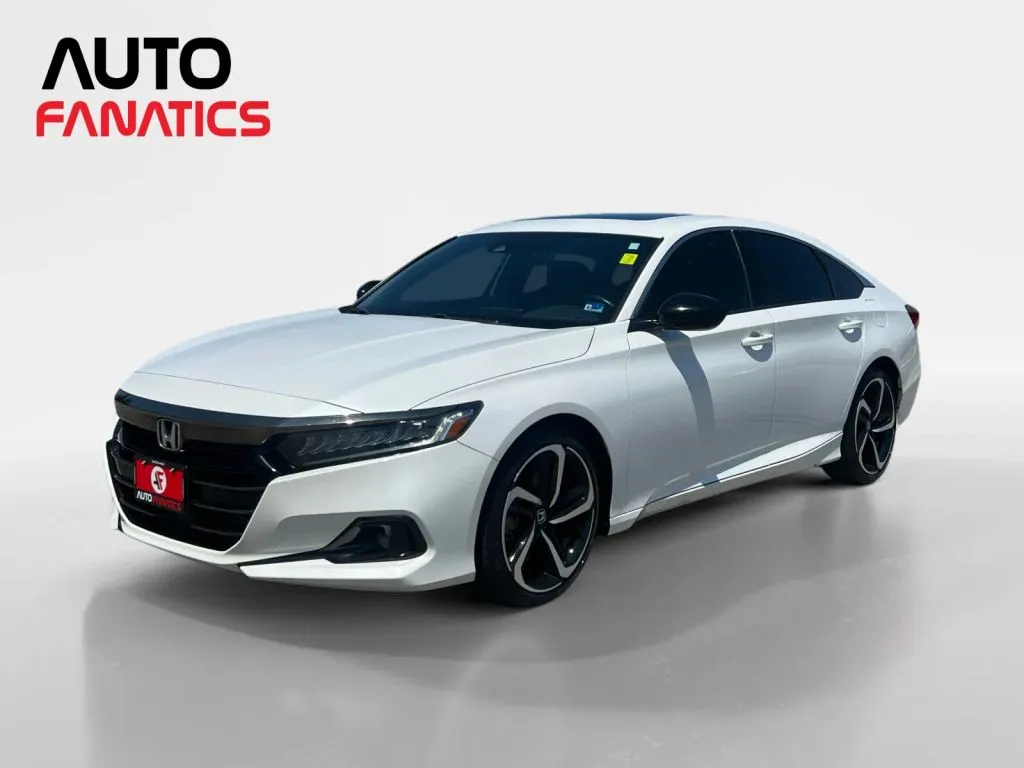
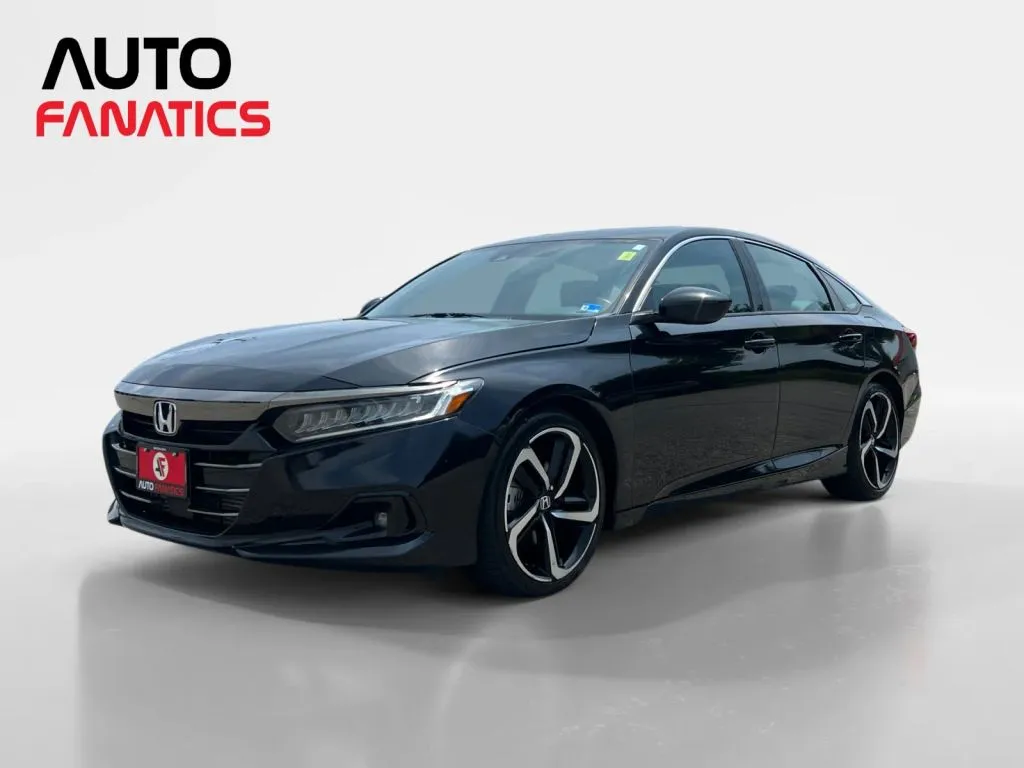
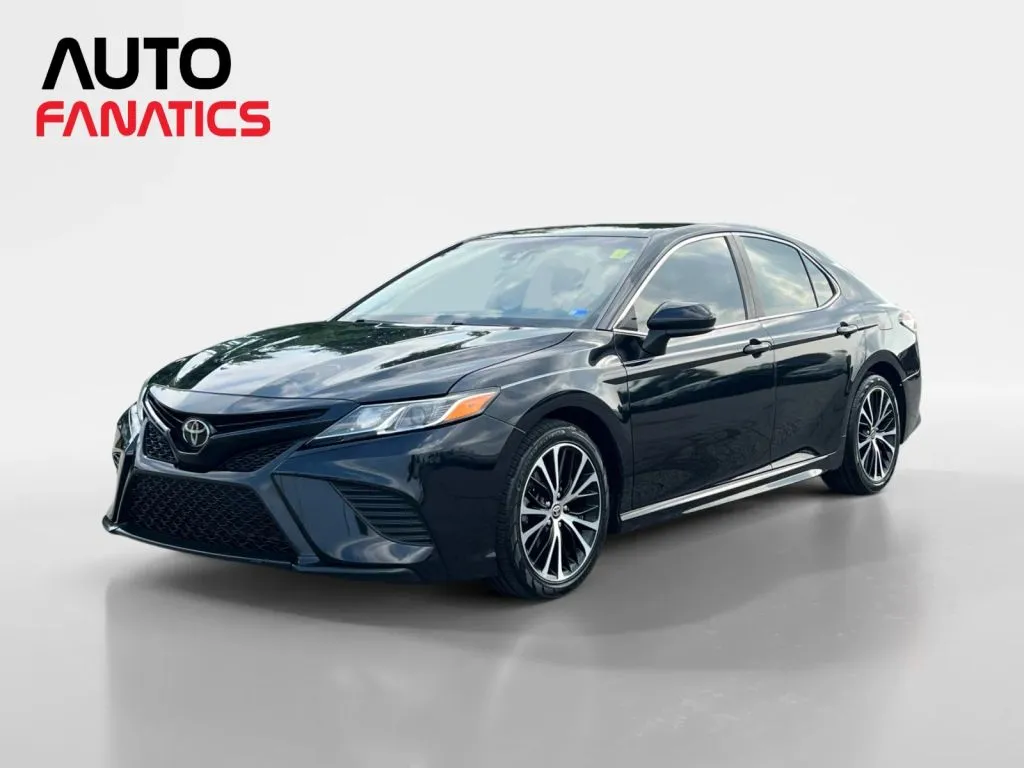
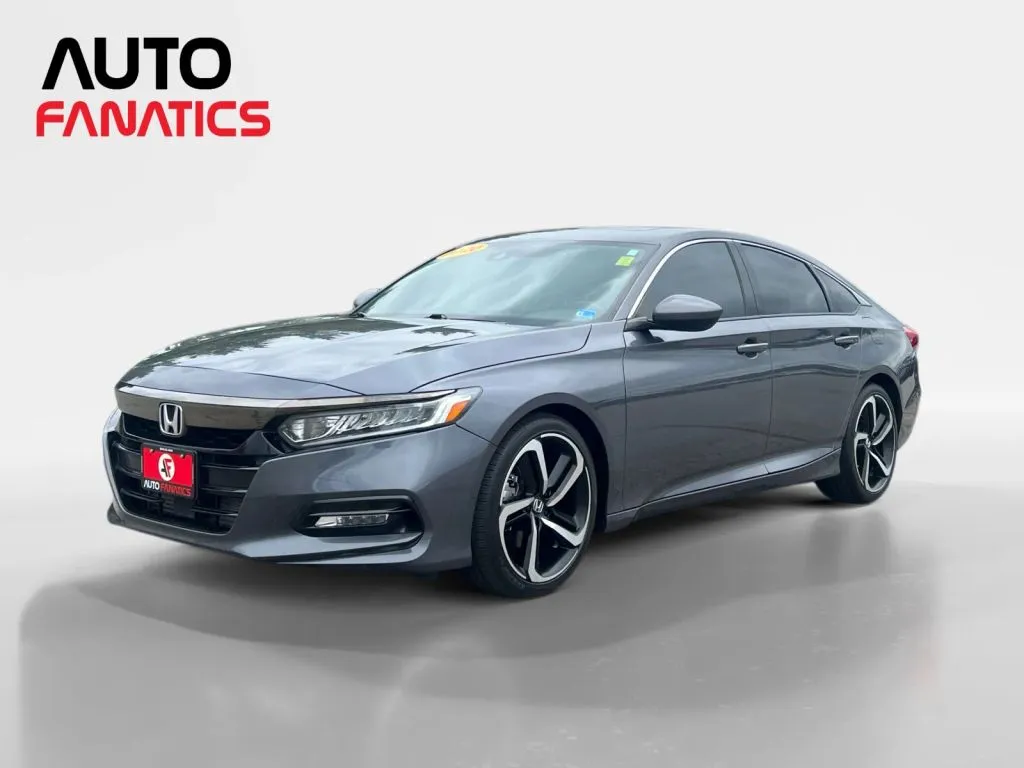
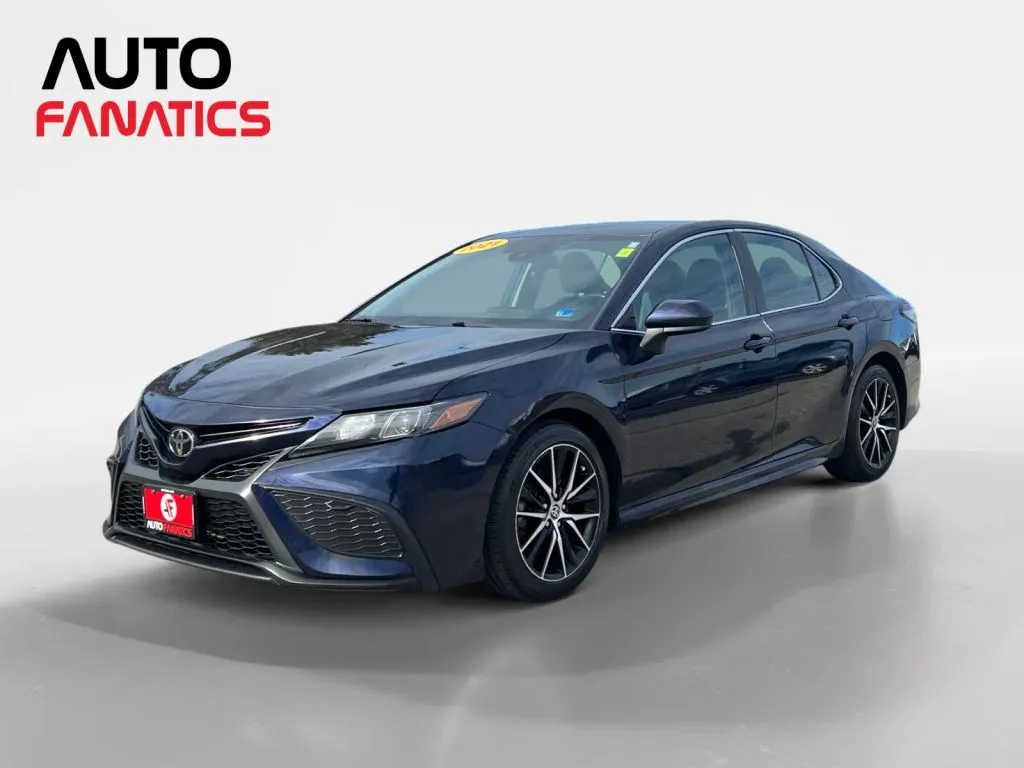
When a model you like already has a dedicated buyer's guide, use that page for year-by-year detail instead of forcing a universal ranking here. The Toyota Camry reliability guide and the Honda Accord reliability guide cover those sedans. Truck shoppers can start with most reliable used trucks rather than treating a car list as a pickup ranking.
How Do You Turn a List Into a Shortlist?
A published ranking is a research prompt, not a shopping order. Write down the job the vehicle must do: commuting, family trips, carrying equipment, or a mix. Then compare only vehicles that can do that job. This keeps the reliability question tied to a real purchase.
For each candidate, note the model year, generation, engine, trim, and the mileage range you are willing to consider. If a report covers a different generation, mark it as background. If a concern shows up only on one configuration, check whether the car you are looking at has that setup.
Set a clear bar before you move forward. You might pause one sedan until its service history is confirmed, while you keep reading about another year that has clearer paperwork. The goal is not to prove a model is flawless. The goal is to cut enough uncertainty to make a careful choice.

Which Evidence Matters Most on the Specific Vehicle?
Once the shortlist is small, leave general reputation behind. Ask for service records and read them in date order. Look for steady maintenance, work on major systems, and gaps you cannot explain. A missing record does not prove a service was skipped. It does leave you with less to judge.
Look over the exterior and cabin in good light. Uneven tire wear, mismatched paint, water stains, warning lights, odd smells, and rough repairs are questions, not diagnoses. On a drive, notice starting, braking, steering, shifting, and unusual sounds. A short, quiet loop is not proof of long-term dependability. A problem you can repeat deserves an explanation.
| Evidence | What it can tell you | What it cannot prove |
|---|---|---|
| Model-year reliability information. | Patterns reported for a year or generation. | The condition of this vehicle. |
| Maintenance records. | Documented work and service dates. | That every repair was written down. |
| Vehicle history information. | Reported title or damage events, depending on the report. | That nothing unreported happened. |
| Physical inspection. | Visible condition and items that need follow-up. | That hidden parts have no faults. |
| Test drive. | How the vehicle behaves on the drive you take. | How it will behave in every season. |
Confidence comes from stacking these sources. A strong reputation plus thin history is still an open question. Solid records plus a concern about that generation means you should learn whether the concern fits this configuration, and whether related work is documented.
Read a history report as a prompt, not as a full biography. A listed event should send you to that area of the car and to any invoice. A clean report does not prove every incident was reported. Line it up with the service folder, the way the odometer progresses, and what you can see. Mileage that jumps backward, a long unexplained gap, or a repair story that does not match the paperwork is a reason to pause.
For the drive itself, use the Fredericksburg test-drive checklist so you cover the same basics on every car. The broader vehicle purchase checklist covers paperwork after the reliability file looks sound.
How Do Your Driving Needs Change the Choice?
The better vehicle is the one that fits daily use without a compromise you plan to ignore. A local commuter may care about predictable operation, comfort, and fuel use. A family may care more about seat access, child-seat space, and cargo. A buyer who hauls equipment may need a truck or a larger SUV, and should expect that workload to show up as wear.
Write the routine first: trip length, passengers, parking, road conditions, and how often you carry weight. Then compare vehicles that meet those needs. A smaller sedan can be easier to park. An SUV can offer a different mix of people and cargo space. Neither body style is automatically more dependable. Condition, maintenance, and the exact model still decide.
A Fredericksburg commute that mixes I-95 with shorter trips through Spotsylvania or Stafford needs a car that starts cleanly, holds a steady highway speed, and still fits everyday parking. If you often carry sports gear or work tools toward King George or Culpeper, cargo shape matters as much as any published score. Write those trips down so a ranking cannot talk you into the wrong size.
Match the shortlist to the right inventory group before you fall in love with a badge. Browse used cars and sedans, used SUVs, or used trucks so you are comparing vehicles that can actually do the job.
How Can You Compare Two Plausible Candidates?
Picture two vehicles that both fit the household. Candidate A has stronger model-year reports and only a partial service file. Candidate B has mixed reports on one system, but the folder shows maintenance and repairs for that system. Do not crown A for reputation or B for a thicker folder. List the open question on each car.
For A, ask whether the missing records cover routine service or major work, and whether more paperwork exists. For B, confirm the reports match its year and powertrain, then read the repair notes and ask whether the concern is resolved. Drive both, and consider a qualified inspection if a question stays open.
Then add how you will use the car. Daily child seats make entry, fit, and the condition of safety equipment part of the file. Frequent longer trips make comfort and steady highway behavior matter more. A comparison only helps when the criteria match real use.
Keep a three-column note: evidence in favor, open questions, and the next action. "Consistent records" goes in the first column. "One-year service gap" goes in the second. "Ask for more paperwork" goes in the third. That turns a vague feeling into a task you can finish before you commit. Auto Fanatics builds that kind of review into a no-pressure visit, and shoppers often mention the same straightforward process in the dealership's 500+ five-star reviews.
What Should You Ask Before You Decide?
Ask specific questions and give yourself time to hear the answers. A clear reply lets you compare the vehicle as it is, instead of trusting a brand slogan or a short sales line.
- Define the job. Write passengers, cargo, roads, and budget before you compare badges.
- Name the exact year. Research that generation, not a brand-wide reputation.
- Stack the evidence. Read model-level information, service records, and history together.
- Look at the car. Note visible condition, warning lights, tire wear, and anything unexplained.
- Drive with a purpose. Check basic operation against your normal routine.
- Close the open questions. Ask for documents or a professional inspection when a concern remains.
- Separate the deal from the car. Review price, fees, and any optional products on their own.
Useful questions sound plain. What records come with this vehicle? Are any warning lights on? Can you review the history details? What do the tires and brakes look like? Can the drive reflect your usual roads? What is included in the price, and what is separate? If an answer is fuzzy, ask for the document. You do not need to invent a repair budget from a generic rule when the car's own records, the model guidance, and a qualified inspection can narrow it.
When sources disagree, do not average them into a vague score. Check the date, the vehicle version, and what each source covers. An older generation does not settle a question about a redesign. One owner story is not a pattern. If you cannot tell whether a repair was finished, ask for the invoice. If a symptom is present, ask what an inspection would examine. If the evidence never shows up, decide whether you can live with that unknown or whether you should look at another car.
Price and payment sit beside the reliability file, not inside it. A lower price does not mean fewer later repairs, and a higher price does not guarantee an easier ownership stretch. If you want a payment range while you compare cars, ask about Capital One pre-qualification. That step does not change what the records and the inspection say about the vehicle. Keep fees and any optional products in their own column so a monthly number does not hide worn tires or an open mechanical question.
See used cars in Fredericksburg
Frequently Asked Questions
Are the most reliable cars always the best used choice?
No. A strong reputation can narrow the search, but the better choice also depends on that car's condition, maintenance, history, price, and fit. Check the vehicle in front of you instead of stopping at the model name.
Does low mileage mean a used car is reliable?
Not by itself. Mileage sits next to age, maintenance, prior use, condition, and the records you can read. A low-mileage car with unanswered service questions still needs a careful look.
Should you avoid a model with mixed reliability reports?
First see whether the reports cover the same year, generation, and system. Then compare this vehicle's records and condition. Mixed information is a reason to ask a focused question, not an automatic reason to reject every example.
Can a test drive prove a car will stay dependable?
No drive can guarantee the future. It can show how the vehicle operates that day and surface issues worth investigating. Pair it with records, available history, and a thorough look at the car.