Preowned Chevrolet Tahoe: How to Choose One for Your Needs
A preowned Chevrolet Tahoe can make sense when you need a roomy SUV for people, gear, and longer drives, but its size and ownership costs deserve a careful look. If you are comparing options in Fredericksburg, VA, start with the way you actually drive, then compare each Tahoe’s condition, equipment, and total cost rather than choosing by badge alone.
This guide focuses on fit and shopping decisions, not a ranking of model years. Use it to decide what matters for your household, what to compare in a listing, and what to ask before you make a trip from Spotsylvania, Stafford, Culpeper, Woodbridge, or King George.
Browse used vehicles in Fredericksburg
Does a Tahoe fit the way you travel?
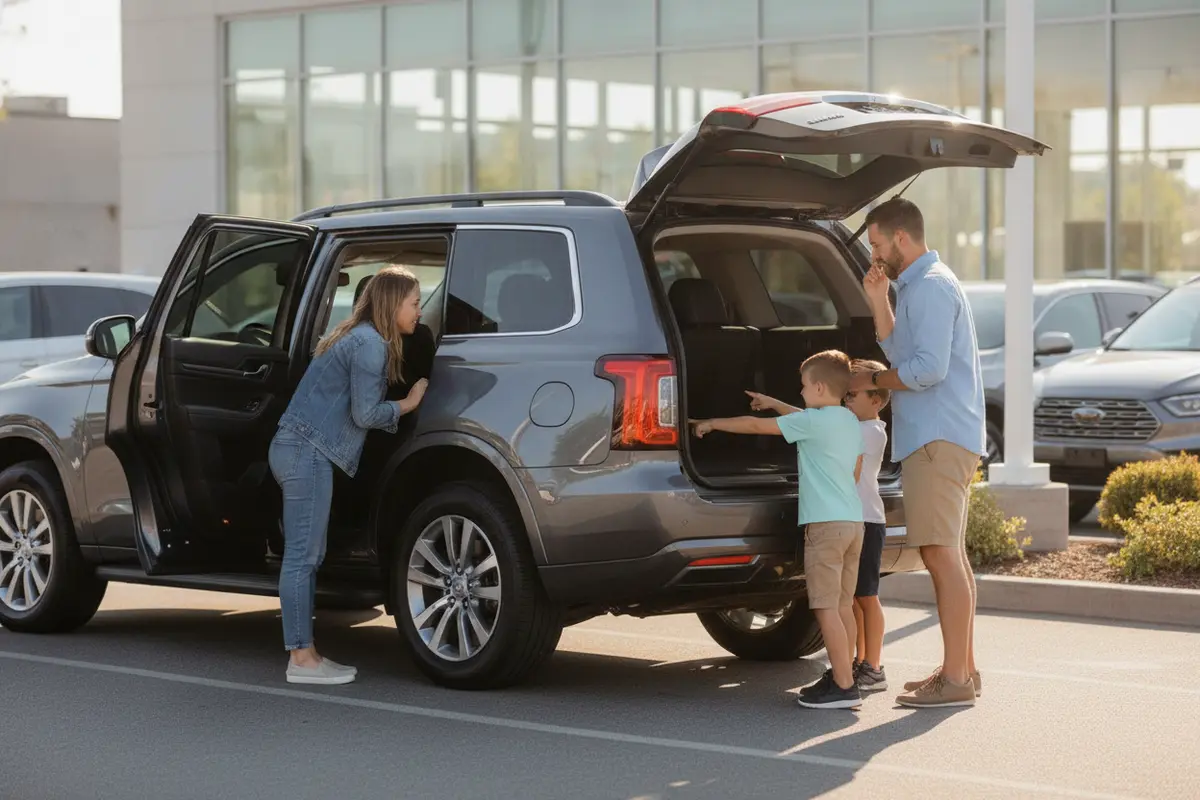
A full-size SUV is not automatically the right choice just because it has more room. Think about how many people ride with you on a normal weekday, what you carry, and how often you need all available seating. A vehicle that fits the busiest few weekends of the year may feel unnecessarily large the rest of the time.
Write down three everyday trips and one occasional trip. For example, note school or work runs, grocery stops, and a weekend drive with family. Include the number of passengers, child seats or mobility needs, bags, sports equipment, and any other cargo you routinely bring. That short list gives you a practical way to judge whether a Tahoe’s space is useful to you.
- Passenger needs: Count the people who travel together most often, not only the maximum number of seats listed for a vehicle. If you use child seats, bring them along to check access and fit.
- Cargo needs: Think about the items you carry, their size, and whether they need to fit while every passenger seat is in use. A tape measure can help you compare a vehicle’s cargo area with bulky items you own.
- Driving pattern: Consider daily mileage, stop-and-go traffic, highway trips, and the roads where you park. A large vehicle can feel different in a tight garage or a crowded lot than it does on an open road.
- Occasional use: Decide whether towing, extra passenger capacity, or a particular feature is a real requirement. Do not pay for capabilities you do not expect to use.
Make a short “must have” list and a separate “nice to have” list. Keep the must-have list to a few items, such as a specific seating arrangement or a feature you rely on every day. This makes it easier to compare a Tahoe with other used SUVs for sale without letting one attractive option distract you from your real needs.
What should you compare between Tahoe listings?
Start with the details that identify the exact vehicle: model year, trim, mileage, drivetrain, equipment, and the seller’s description of its condition. Two vehicles with the same model name can differ in features and prior use. Read each listing carefully, and ask the seller to clarify anything that is missing or unclear.
Then compare listings in a consistent way. A quick table keeps the conversation grounded in details rather than a first impression. Add the information from each listing, and mark unanswered questions so you can follow up before making a longer drive.
| What to compare | What to record | Why it matters to your decision |
|---|---|---|
| Year and trim | Exact year, trim name, and listed equipment | Helps you separate vehicles with different features and configurations. |
| Mileage and stated condition | Odometer reading and the seller’s description | Gives you questions to clarify and a starting point for comparing vehicles. |
| Passenger and cargo fit | Seat arrangement, access, and your own space needs | Shows whether the SUV works for your regular trips, not just on paper. |
| Price and purchase costs | Advertised price and all written charges or optional items | Lets you compare the full amount you would be asked to pay. |
| Financing terms | Proposed payment, term, rate, down payment, and total amount financed | Helps you judge the complete financing offer instead of one monthly figure. |
| Questions still open | Features, condition, documentation, or availability to confirm | Prevents assumptions from taking the place of verified details. |
Use the comparison to separate facts from preferences. Year, mileage, listed equipment, and written price are facts you can verify. Ride comfort, visibility, and how easily you can load your usual gear are personal judgments that you can test during a visit. Keep both kinds of notes, but do not let a preference hide a missing answer about the vehicle or offer.
When listings have different equipment, decide whether the difference matters enough to affect your choice. A feature that you will use often may be worth prioritizing; an item you will rarely use may not justify a higher price or a longer trip. Ask for the exact equipment on the vehicle you plan to see instead of assuming every Tahoe has the same setup.
Keep the figures in your table exactly as shown on each written quote or listing, and confirm whether the amount includes taxes, title, registration, dealer charges, or optional products. Do not compare one vehicle’s advertised price with another vehicle’s estimated out-the-door figure. If a number changes during the conversation, ask for an updated written breakdown.
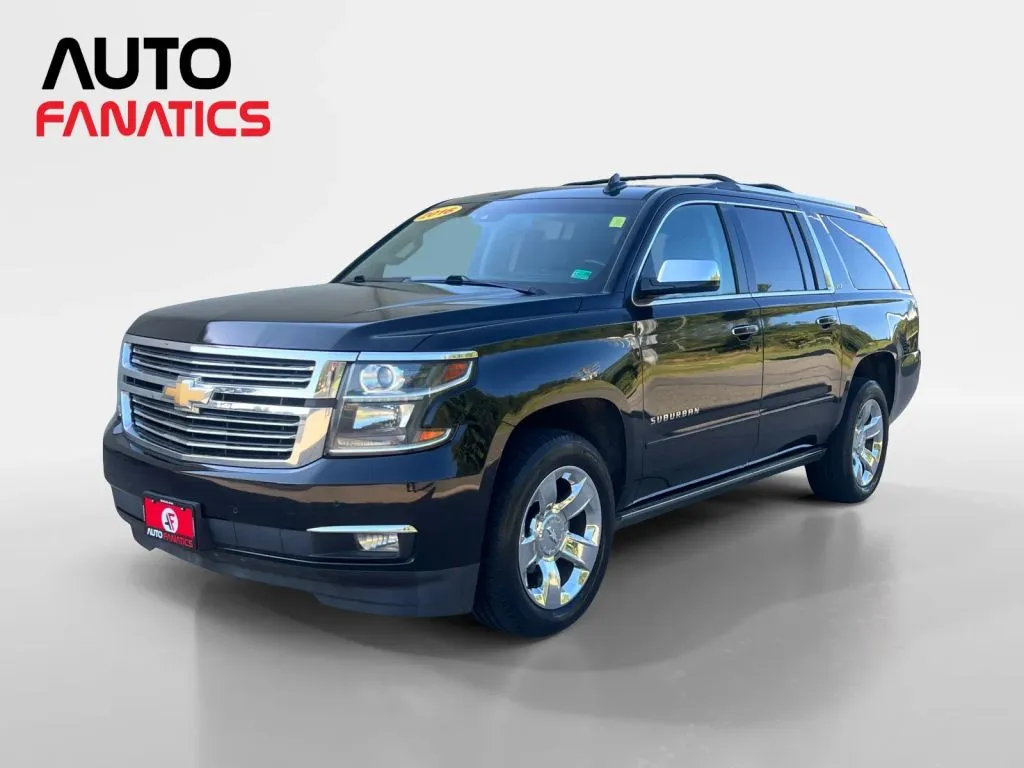
Inventory changes, so treat a vehicle page as a starting point rather than a promise that a vehicle is available. Auto Fanatics has a specific 2018 Chevrolet Tahoe LT listing page in the supplied inventory information. Confirm its current availability, equipment, price, and condition directly with the dealership before planning around it.
How can you review a specific preowned Chevrolet Tahoe?
Use a repeatable walk-around and test-drive plan. This is not a substitute for a qualified independent evaluation, and it does not guarantee that a vehicle has no problems. It helps you notice questions to raise and decide whether you want to take the next step.
- Confirm the listing details. Check that the vehicle you are viewing matches the year, trim, mileage, and equipment you researched. Ask about any mismatch before you rely on the listing description.
- Look over the exterior in good light. Walk around the vehicle and note visible damage, uneven panel gaps, cracked glass, worn tires, or anything else you want explained. Ask the seller to clarify what you observe rather than guessing at the cause.
- Check the cabin and controls. Sit in each seating area you expect to use. Try the features that matter to you, such as seat adjustments, climate controls, visibility, and access to the rear seats. Bring a child seat or bulky item if fit is important.
- Ask what documentation is available. Request information the dealership can provide about the vehicle and its condition. Read it yourself, and ask for clarification if a term or record is unfamiliar. Do not assume a listing includes a particular report or inspection.
- Take a route that reflects your routine. If permitted, test the vehicle in a safe setting that includes the types of roads you use. Notice visibility, comfort, braking feel, steering, cabin noise, and how easy it is to park. Stop if something concerns you and ask about it.
- Consider an independent inspection. If you want an independent professional assessment, ask whether you can arrange one before purchase and agree on the logistics. An inspection can inform your decision, but it should not be described as a guarantee.
- Check for safety recall information. Use the vehicle identification number and the official resources provided by the National Highway Traffic Safety Administration to check for recall information. Ask the seller what they know about any open recall and how it will be addressed.
Keep your notes factual: “rear hatch did not open during my visit” is more useful than a guess about why. If a detail is important to your decision, ask for an answer in writing. You can also compare the dealership’s customer testimonials as one source of context about other buyers’ experiences, while making your own assessment of the specific vehicle and written terms.
How do size and ownership costs affect the choice?
The purchase price is only one part of owning a large SUV. Before you commit, estimate how the vehicle may fit into your monthly and annual budget. Exact costs depend on the vehicle, your driving, your location, your insurer, and other personal factors, so use your own quotes rather than a generic estimate.
- Fuel: Estimate your usual weekly mileage and use a realistic fuel-price assumption for your budget. Compare that estimate with what you spend in your current vehicle, especially if most of your driving is local or in traffic.
- Insurance: Ask your insurer for a quote on the exact vehicle before you finalize a purchase. Premiums depend on personal and vehicle details, so do not assume a larger SUV will cost the same to insure as your current car.
- Maintenance and repairs: Set aside room in your budget for routine care and unexpected repairs. Ask what maintenance information is available for the specific vehicle, and consider getting professional advice about costs that matter to you.
- Tires and other wear items: Ask about the condition of items you may need to replace. Confirm what is included in the sale and do not treat a verbal estimate as a written commitment.
- Financing: Compare the amount financed, annual percentage rate, loan term, down payment, and total of payments. A lower monthly payment can result from a longer term, so compare the full terms rather than payment alone.
- Protection products: If an optional protection plan is offered, ask what it covers, what it excludes, how long it lasts, and what it costs. Take time to review the terms and decide whether it suits your needs.
A simple monthly worksheet can reveal a mismatch before you buy. Add your estimated loan payment, insurance quote, fuel budget, and a maintenance reserve. Then compare the total with the amount you can comfortably spend, leaving room for other household expenses and savings. If the estimate leaves little room for unexpected expenses, revisit the vehicle price, your down payment, or the type of vehicle you are considering before you apply for financing.
It can also help to compare an all-in monthly budget with a cash-to-buy budget. The first includes recurring costs and the loan payment, while the second includes the upfront amount you plan to spend and the expenses you expect after purchase. Use whichever approach reflects your household finances, but avoid treating the down payment as the entire cost of ownership.
Also think about where you will park and drive. A large SUV may be comfortable for a highway trip on I-95, yet take more care in a narrow driveway or a busy parking lot. If your regular stops include tight spaces in Fredericksburg, try parking and maneuvering during a test drive before deciding.
Which financing questions should you ask?
Begin with a budget range that you can manage, not a payment amount based on the longest loan term available. A lender’s approval and terms depend on your application and circumstances. No particular rate, approval, or monthly payment can be promised in advance.
Auto Fanatics provides access to Capital One pre-qualification. Ask what information the process requires, what it tells you, and whether it is a pre-qualification rather than a final loan offer. Review the terms with the lender before relying on them, and do not confuse an initial estimate with final financing approval.
Before agreeing to a purchase, ask for a written breakdown that shows the vehicle price, any dealer fees, taxes and other charges, optional products, down payment, amount financed, interest rate, term, and total payments. Ask which items are optional and whether declining one changes another part of the offer. Take time to read the final documents and confirm they match what you agreed to.
If you have a trade-in, keep its value discussion separate from the purchase price until you can see both figures clearly. Auto Fanatics offers an online used-car inventory page for comparing available vehicles; if you are considering a different body style, its used truck selection may help you compare alternatives. Choose the vehicle that fits your use and full budget, not one metric in isolation.
How can Fredericksburg-area shoppers prepare for a visit?
Plan the visit around the questions you need answered. If you are traveling from Stafford, Culpeper, Spotsylvania, Woodbridge, or King George, confirm the vehicle’s availability and arrange a time before leaving. That simple check can help avoid an unnecessary trip, especially when traffic on I-95 affects your schedule.
Bring your comparison table, driver’s license, and any items you need to test for fit, such as a child seat or mobility equipment. If another household member will use the vehicle, invite them to join the visit or make a separate plan to check their needs. A second driver may notice different visibility, comfort, or parking concerns.
Auto Fanatics describes its approach as no-pressure and transparent, and its business information reports 500+ five-star reviews. Reviews can offer context, but they cannot tell you whether a particular Tahoe is right for you. Consider the vehicle, written price, financing terms, and your own experience together. You can also review the dealership’s location and directions before planning your route.
For a focused visit, write down the five questions you most need answered. These might include current availability, exact equipment, the written price with fees, whether an independent inspection is possible, and what financing terms are being offered. Ask one question at a time, take notes, and do not feel rushed to decide during the visit.
If a Tahoe does not fit your parking, budget, or passenger needs, compare a smaller option rather than stretching your plan. Auto Fanatics also lists used cars, including sedans and other passenger vehicles. Comparing body styles is a useful way to confirm whether you truly need a full-size SUV.
Explore used vehicles at Auto Fanatics
Frequently asked questions
Is a preowned Chevrolet Tahoe a good fit for a family?
It may be a fit if its seating, access, cargo area, driving feel, and costs work for your family’s routine. Try the seating with the people and equipment you regularly carry, then compare it with alternatives. The model name alone cannot establish whether a particular vehicle meets your needs.
What should I bring when I look at a used Tahoe?
Bring your questions and comparison notes, a driver’s license if you plan to drive, and any child seats or bulky items you want to test for fit. If you are considering a trade-in or financing, ask ahead what information would be useful and review any written terms carefully.
Should I rely on a monthly payment when comparing offers?
No. Compare the vehicle price, down payment, annual percentage rate, loan term, amount financed, optional products, and total payments. A monthly figure can look lower when a loan lasts longer, so review the complete written offer before you decide.
Can I arrange an independent inspection?
You can ask the seller whether an independent professional inspection can be arranged and agree on timing and logistics. The assessment may give you useful information, but it is not a guarantee that a vehicle will have no future problems.
A careful comparison helps you choose based on your real needs, the specific vehicle, and written terms. Take the time to verify details and select the SUV that fits your household and budget.