The Ultimate Guide to Shop Used Cars by Make
Your car should fit your life, not the other way around. Whether you need a rugged truck for weekend projects, a safe and spacious SUV for the family, or a fuel-efficient sedan for your daily commute, the vehicle’s make often says a lot about its intended purpose. Manufacturers design their cars with a specific driver in mind, embedding characteristics like off-road capability, luxury, or practicality into the brand’s identity. By thinking about your own needs first, you can find a make that’s a perfect match. This guide will show you how to shop used cars by make to find a vehicle that seamlessly integrates into your lifestyle and supports all your adventures.
Key Takeaways
- Focus on the Make First: Understanding a brand's reputation for reliability, resale value, and maintenance costs helps you narrow your search to cars that are a good long-term fit for your budget and lifestyle.
- Do Your Homework to Get the Best Deal: Use online tools like loan calculators and price comparison sites to set a realistic budget, and always get a vehicle history report to verify a car's background before you buy.
- Look Beyond the Sticker Price for True Value: When comparing specific cars, consider the total picture—including maintenance history, standard features, and overall condition—not just the price and mileage, to find the best long-term value.
Why a Car's Make Matters
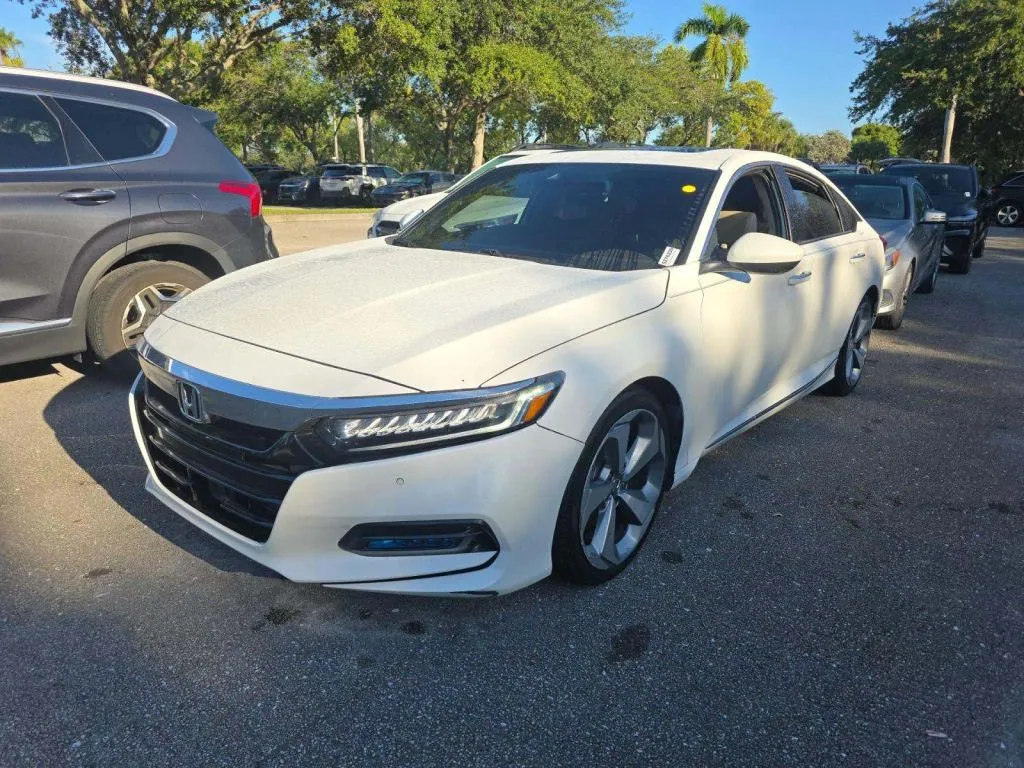
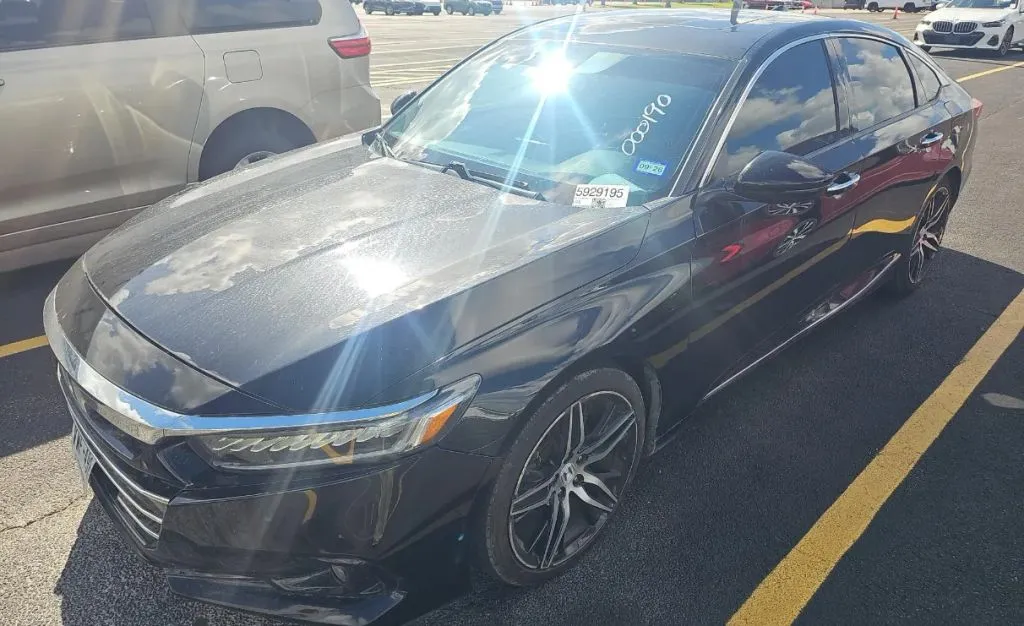
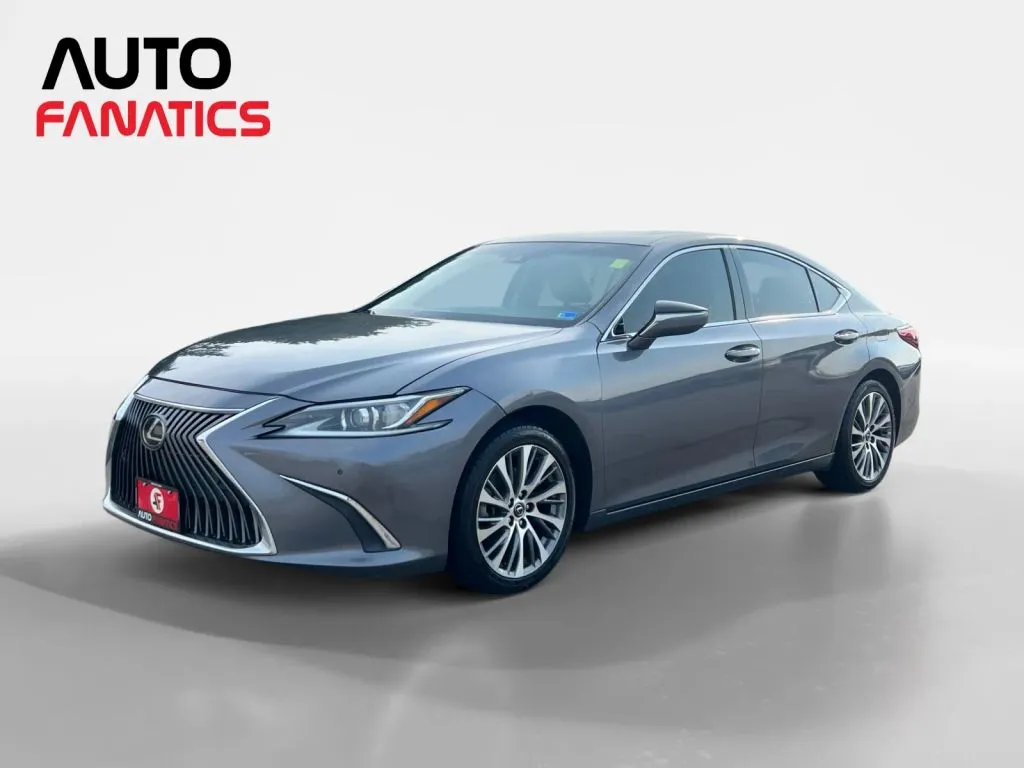
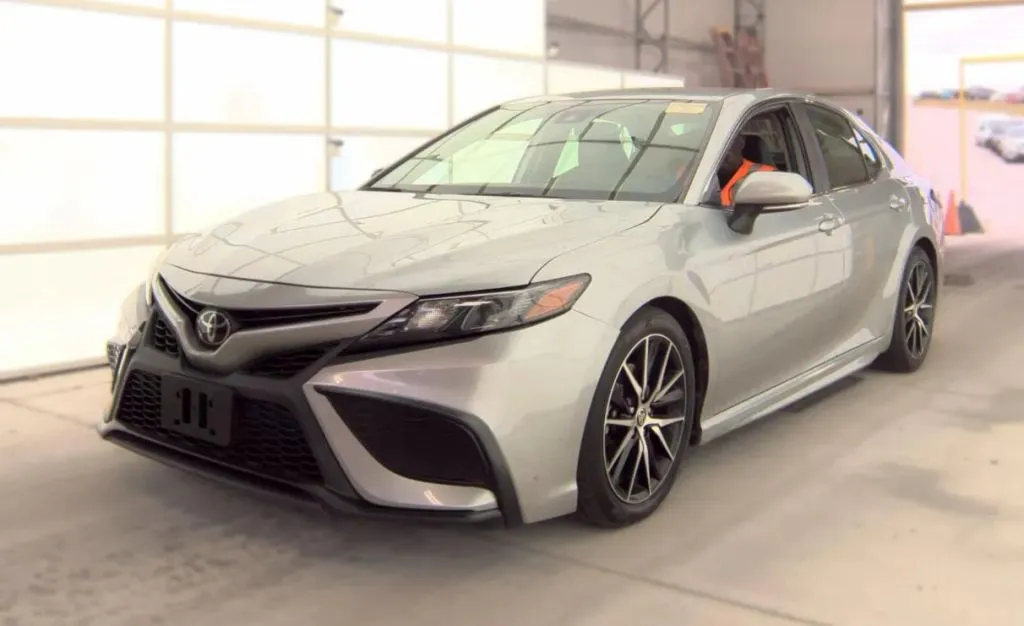
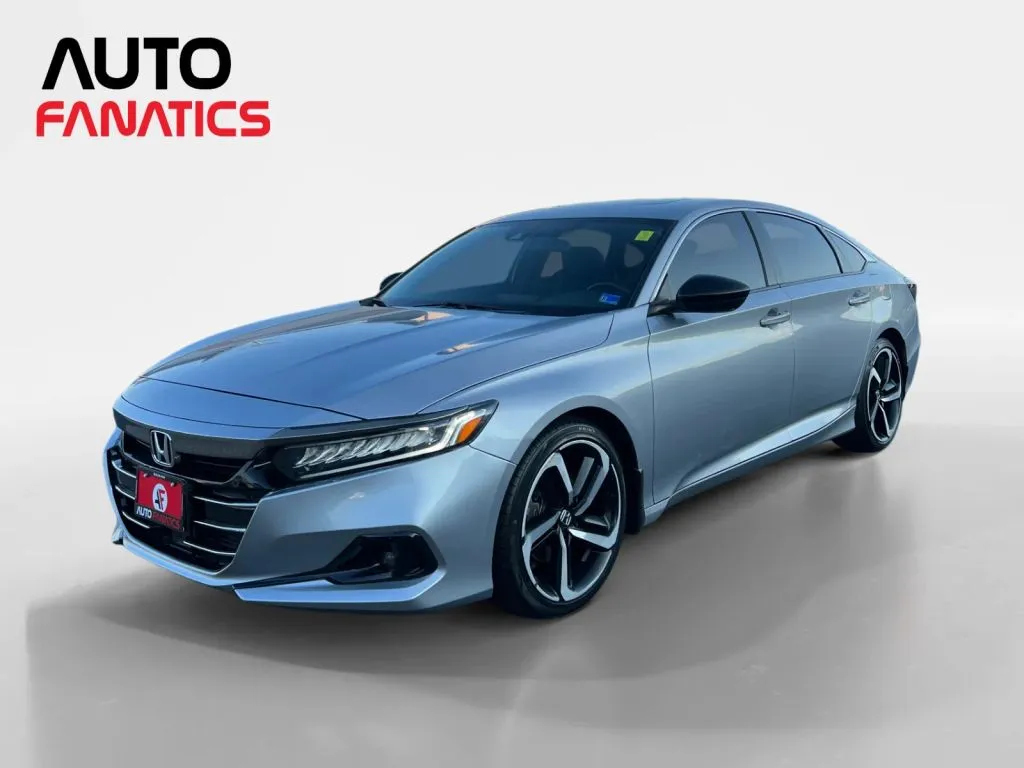
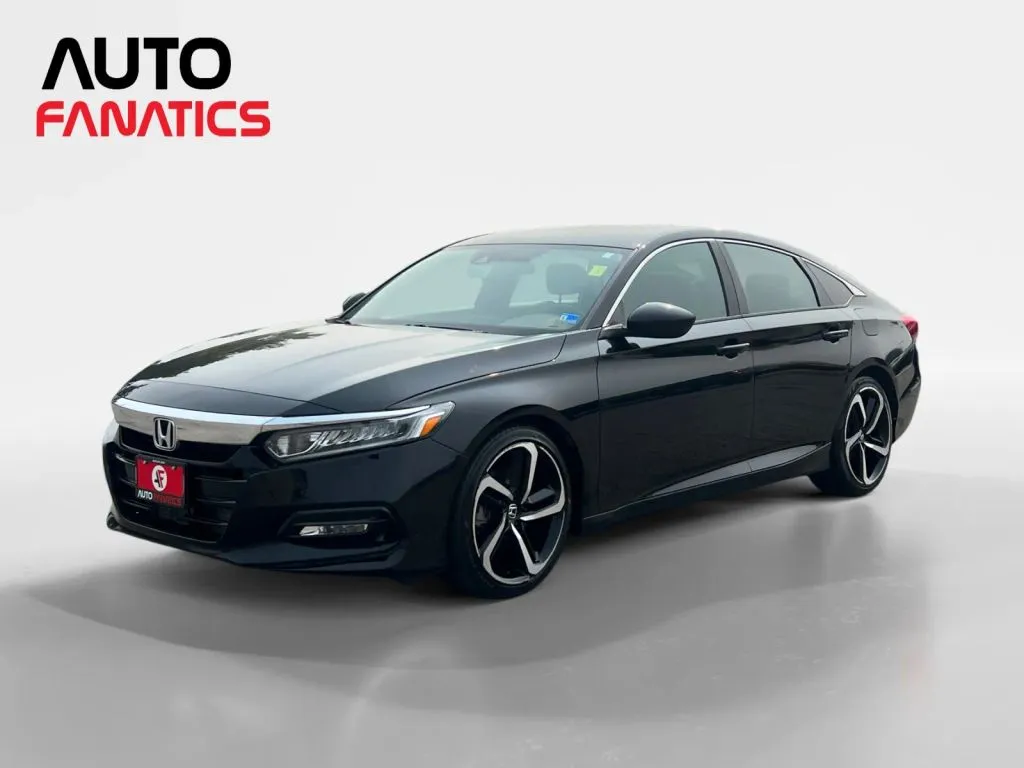
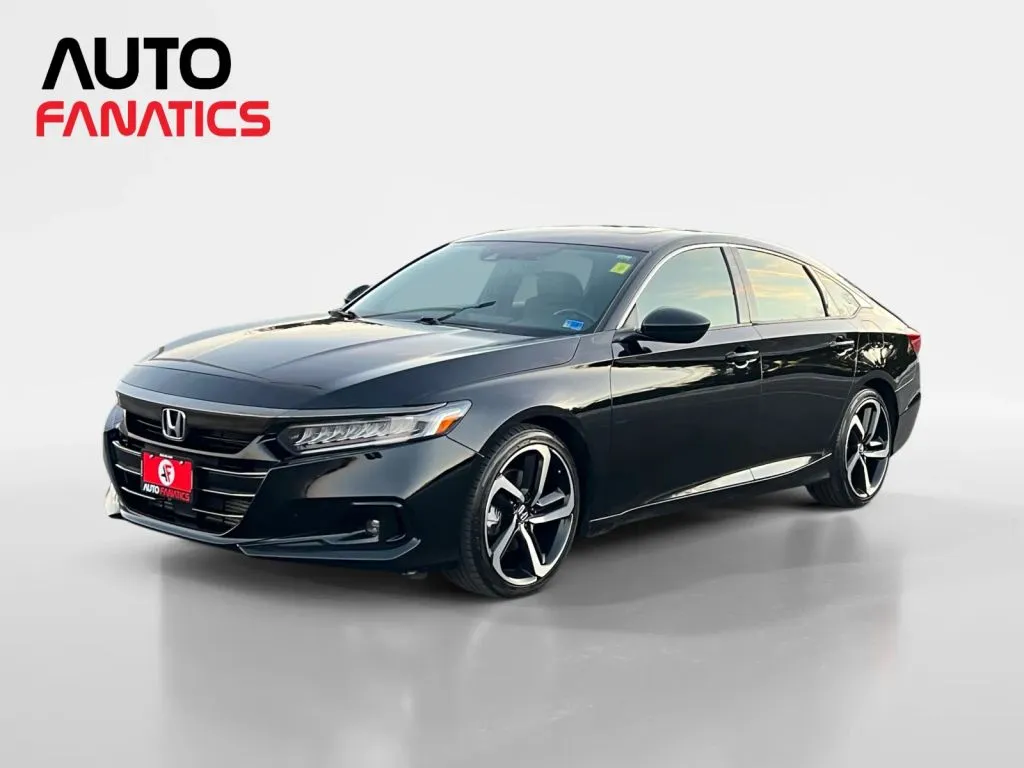
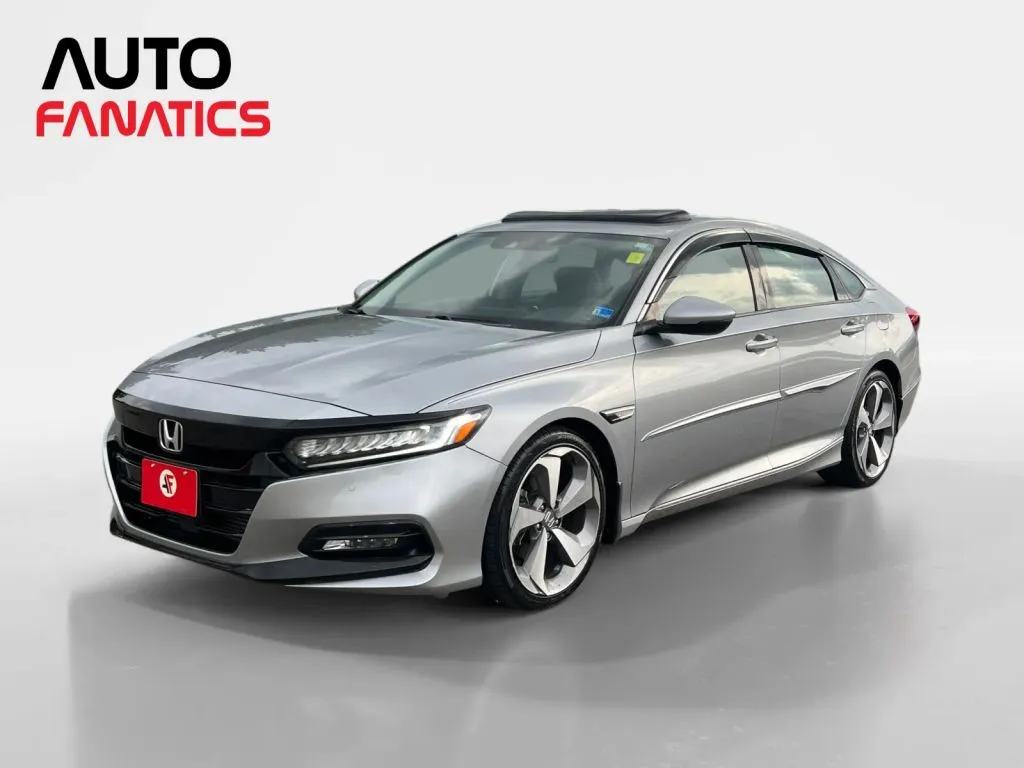
When you start shopping for a used car, you might focus on specific models, but stepping back to consider the car's make—the brand itself—is a smart first move. Think of it as the foundation of your search. Brands like Ford, Toyota, Honda, and Chevrolet each have their own reputation, design philosophy, and engineering standards that influence everything from performance to long-term ownership costs. Understanding these differences helps you narrow down your options and find a vehicle that truly fits your lifestyle and budget.
Choosing the right make can be the difference between a car you love for years and one that brings unexpected headaches. Some brands are known for their rock-solid dependability, while others are praised for holding their value over time. A make can also signal certain characteristics, like a focus on safety features, fuel efficiency, or off-road capability. By looking at the big picture of what a manufacturer stands for, you can make a more informed decision before you even step on the lot. At Auto Fanatics, we carry a wide variety of makes, giving you the freedom to compare and find the perfect fit from our extensive inventory.
Consider Brand Reliability and Reputation
A brand's reputation isn't just marketing—it's built on the real-world experiences of countless drivers over many years. Choosing a vehicle from a brand known for reliability can save you from frequent repairs and unexpected breakdowns. This is especially important when buying a used car. Brands like Toyota and Honda, for example, have earned a strong reputation for longevity and dependability. Researching a make’s track record for common issues can give you peace of mind. Here at Auto Fanatics, we stake our own reputation on the quality of our vehicles, which is why we're proud to have earned over 500 five-star customer reviews.
Think About Future Resale Value
Your car is an asset, and it’s wise to think about its future value. Depreciation—the rate at which a car loses value—varies significantly between different makes. Selecting a make that holds its value well can significantly impact your financial return when it’s time to sell or trade in your vehicle. Brands like Subaru and Jeep often have strong resale values due to high demand and brand loyalty. Before you buy, take a moment to see how well cars from that manufacturer retain their worth. You can even get a sense of what your current car is worth by using our tool to estimate your trade-in value.
Check Maintenance Costs and Parts Availability
The sticker price is only part of the story. Different makes come with varying maintenance costs and parts availability, which can affect your overall ownership experience. Generally, domestic and popular import brands have parts that are more affordable and easier to find than those for luxury or less common European makes. This means routine maintenance and repairs are often quicker and less expensive. Considering the long-term cost of upkeep is a crucial step in choosing a car that fits your budget. To help manage these future expenses, we offer a variety of automotive protection plans for added peace of mind.
How to Research Different Car Makes
Once you have a shortlist of car makes that fit your lifestyle, it’s time to do a little homework. This is the part where you go from simply liking a car's look to truly understanding its performance, reliability, and value. Investing a bit of time here will help you narrow down your choices and walk onto the lot feeling prepared and confident. Think of it as gathering intel to make the best possible decision for your needs and budget. Let's break down a few simple, effective ways to research different car makes.
Read Reviews from Trusted Sources
One of the best ways to get an unbiased look at a car is by reading reviews from both experts and everyday drivers. Professional automotive journalists at places like Edmunds and Kelley Blue Book test cars for performance, safety, and overall quality. At the same time, owner reviews give you the real story on long-term satisfaction and potential quirks. Customers often use sites like TrueCar to research cars before buying, finding that it makes the process less stressful. Reading what others have to say can highlight a make’s strengths and weaknesses, helping you see beyond the marketing and focus on what matters for daily driving.
Review Manufacturer Specs and Warranties
Every car make has its own unique specifications and coverage options, so it’s smart to look at the details. You can usually find original brochures and spec sheets on the manufacturer’s website for the specific model year you’re considering. Pay attention to things like engine size, fuel efficiency (MPG), cargo capacity, and standard safety features. This is also a good time to understand what kind of warranty might be available. A newer used car could still have part of its original factory warranty, while others might be eligible for dealership protection plans. Integrating this detailed research into your process helps you buy with confidence.
Track Price Trends with Market Tools
Knowing the fair market value for a car is key to getting a great deal. Online tools can help you understand what you should expect to pay for a specific make and model in our area. For instance, AutoTempest lets you search many different websites at once and has a special tool to help you understand how car prices are changing. This gives you a solid baseline and helps you recognize a competitive price when you see one. Remember that price is influenced by mileage, condition, and features, but tracking trends will give you a powerful advantage when you’re ready to buy.
What to Compare When Looking at Used Cars
Once you’ve narrowed your search down to a few makes you trust, it’s time to get into the details. Comparing specific vehicles side-by-side is how you find the perfect match for your lifestyle and budget. It’s about looking past the shiny exterior and understanding what each car truly offers. Think of it as the final round of interviews for your next ride. By focusing on a few key areas, you can confidently choose a car that you’ll love for years to come.
Price and Overall Value
The sticker price is just the starting point. True value comes from understanding the total cost of ownership. A cheaper car might seem like a deal, but if it has higher insurance rates or poor fuel economy, it could cost you more in the long run. Always request a vehicle history report to see if the car has been in any accidents or had major repairs, as this directly impacts its value. To get a clear picture of what you can afford, play around with a car loan calculator to estimate monthly payments and see how different prices fit into your budget.
Typical Mileage and Longevity
Mileage tells a story, but it’s not the whole book. A car with 80,000 highway miles might be in better shape than one with 40,000 city miles. The key is to consider the make’s reputation for longevity alongside the mileage. Some brands are known for hitting 200,000 miles with ease, while others may require more attention as they age. At Auto Fanatics, every vehicle in our used car inventory is meticulously inspected, so you can be sure you’re looking at quality options, regardless of what the odometer says.
Maintenance History and Open Recalls
A car with a consistent maintenance history is a gem. It shows the previous owner cared for the vehicle, addressing small issues before they became big problems. A vehicle history report will show you this service history and also alert you to any open recalls. Recalls are safety-related fixes issued by the manufacturer that haven't been completed yet. Finding a car with a clean bill of health and no outstanding recalls gives you peace of mind. It’s this kind of transparency that has earned us over 500 five-star customer reviews.
Standard Features and Technology
From heated seats to advanced driver-assist systems, the features in a car can make a huge difference in your daily drive. Make a list of your must-haves and nice-to-haves before you start comparing. A slightly older luxury model might have more of the tech you want than a newer base model. For example, if you’re looking for family-friendly features like rear-seat entertainment or extra USB ports, you’ll want to pay close attention to the trim levels of the SUVs you’re considering. Comparing features ensures you get the comfort and convenience you really want.
Where to Find the Best Used Car Deals by Make
Once you’ve narrowed down the makes you’re interested in, the next step is finding the right car at the right price. Your search for the perfect vehicle can take you to a few different places, from local dealerships to sprawling online marketplaces. Knowing the pros and cons of each can help you shop smarter and more confidently. The key is to find a source you can trust, one that offers transparency and quality vehicles. Let’s walk through the best places to look for your next car.
Start with Auto Fanatics' Inspected Inventory
Your best first step is to see what’s available right here in Fredericksburg. Choosing the right used car can feel overwhelming, but we simplify the process by offering a wide selection of thoroughly inspected vehicles. Our inventory includes popular makes like Ford, Chevrolet, Honda, and Toyota, so you can compare different models side-by-side. Every car on our lot goes through a meticulous inspection to ensure it meets our high standards for quality and safety. This saves you the time and stress of vetting private sellers. With over 500 five-star customer reviews, our community trusts us to provide a transparent, no-pressure car-buying experience.
Browse Online Marketplaces and Aggregators
Shopping for a car online offers incredible convenience, but it’s easy to make a few missteps along the way. Websites like Edmunds, Cars.com, and even Facebook Marketplace can be great for getting a sense of what’s available and what you can expect to pay for a specific make and model. These platforms aggregate listings from dealerships and private sellers, giving you a broad overview of the market. While they are useful research tools, remember that you’re often dealing with unknown sellers. It’s important to approach these listings with a healthy dose of caution and know how to safely buy cars online before you commit.
Explore Certified Pre-Owned Programs
If you’re focused on a newer model from a specific brand, a Certified Pre-Owned (CPO) program might be a good fit. CPO vehicles are typically low-mileage, late-model cars that have been inspected and refurbished by the manufacturer and are sold through their franchise dealerships. They often come with an extended warranty, which provides extra peace of mind. While CPO cars are a solid option for reliability, they usually come with a higher price tag than comparable non-certified used cars. It’s a trade-off between cost and the added security of a manufacturer-backed guarantee.
Avoid Common Online Shopping Pitfalls
Regardless of where you shop, it’s crucial to protect yourself from common mistakes. One of the biggest is skipping the vehicle history report. This report is a vital tool that reveals a car’s past, including accidents, title issues, and service records. Another pitfall is failing to set a clear budget. Knowing what you can comfortably afford helps you narrow your search and avoid financial strain. You can use a car loan calculator to estimate your monthly payments. Finally, always get a pre-purchase inspection from a trusted mechanic and take the car for a thorough test drive. These steps ensure you’re making a sound investment.
Tools to Make Your Car Search Easier
Shopping for a used car is a big decision, but you don’t have to go it alone. Having the right information at your fingertips makes the process smoother and helps you feel confident in your choice. These tools are essential for any savvy car buyer, giving you a clear picture of a vehicle’s history, value, and condition before you even think about signing on the dotted line. Think of them as your personal car-buying toolkit, designed to protect your investment and ensure you drive away happy.
Get a Vehicle History Report
A vehicle history report is a vital tool for anyone purchasing a used car. It’s like a background check for your potential new ride, pulling information using the car’s unique Vehicle Identification Number (VIN). This report reveals crucial details, including accident history, title issues like salvage or flood damage, service records, and previous ownership. Skipping this step is a common pitfall that can lead to unexpected problems down the road. Always request a vehicle history report before making a purchase to ensure the car you’re considering has a clean and transparent past.
Use Price Comparison Sites and Loan Calculators
Shopping for a car online offers incredible convenience, but it's smart to do your homework to find the best deals. Use reputable websites to compare prices for the specific makes and models on your list. This gives you a solid understanding of the market value. Once you have a budget in mind, a car loan calculator is your best friend. It helps you estimate your monthly payments based on the vehicle price, your down payment, and interest rate. Playing with the numbers beforehand helps you walk into a dealership knowing exactly what you can comfortably afford.
Estimate Your Trade-In Value
If you plan on trading in your current vehicle, knowing its worth is a game-changer. Your trade-in can significantly lower the total cost of your next car, acting as a substantial part of your down payment. Before you start shopping, use an online tool to get your trade-in value. This gives you a realistic baseline and empowers you during negotiations. Having this estimate in hand ensures you get a fair price for your old car, making the transition to your new one that much smoother and more affordable.
Schedule a Pre-Purchase Inspection
Even if a car looks perfect and has a spotless history report, a pre-purchase inspection (PPI) by a qualified, independent mechanic is always a smart move. This is one of the most important steps to uncover any hidden issues that could lead to costly repairs later on. A mechanic can check the engine, transmission, frame, and other critical components that aren't visible to the untrained eye. At Auto Fanatics, we take this step seriously—it’s why every vehicle in our inspected inventory undergoes a meticulous inspection, giving our customers the peace of mind that has earned us over 500 five-star reviews.
Related Articles
Frequently Asked Questions
Why should I focus on the car's make instead of just the model I like? Think of the make, or the brand, as the car's DNA. It tells you a lot about the vehicle's foundation, including its general reliability, how well it will hold its value, and what you can expect for long-term maintenance costs. While you might love the look of a specific model, understanding the reputation of the brand behind it helps ensure you're making a choice that's solid from the ground up.
Does a brand's reputation for reliability really save me money? Absolutely. Choosing a make known for its dependability often means you'll spend less time and money on unexpected repairs. These brands typically use parts that are more widely available and affordable, which keeps routine maintenance costs in check. Over the years you own the car, these savings can add up to a significant amount, giving you more financial peace of mind.
My budget is tight. How can I figure out my monthly payments before I start shopping? Getting a clear picture of your budget beforehand is one of the smartest things you can do. A car loan calculator is the perfect tool for this. You can plug in different vehicle prices, down payment amounts, and loan terms to see a realistic estimate of your monthly payment. This helps you shop with confidence and focus only on the cars that comfortably fit your financial plan.
Is a car with higher mileage a bad choice if it's from a reliable make? Not at all. A well-maintained vehicle from a brand known for longevity can be an excellent value, even with more miles on the odometer. The key is to look at the whole story, not just one number. A car with consistent service records and a clean history report is often a much better bet than a lower-mileage car with a questionable past.
What's the biggest mistake people make when shopping for a used car? One of the most common and costly mistakes is skipping the vehicle history report. This report is your window into the car's past, revealing everything from accident history to title issues and maintenance records. It’s an essential step that provides the transparency you need to avoid major headaches and make a truly informed decision.