Test Drive Used Car: A Fredericksburg Buyer's Checklist
Table of Contents
- Prep Before You Test Drive a Used Car
- Your License and Proof of Insurance
- Vehicle History and CARFAX Records
- Your Budget and Finance Plan
- What to Check on the Lot Before You Drive
- Body panels and paint
- Tires and suspension check
- Underbody and cabin checks
- Build a Test Drive Route Around Fredericksburg
- Low-speed maneuvering
- Highway speed and cabin noise
- The five-step route checklist
- What to Listen and Feel For While Driving
- Engine sound and exhaust
- Brake performance and steering feel
- Suspension and ride quality
- Red Flags That Mean Walk Away
- Troubling visual and smell warnings
- Problems on the road
- Dealer pressure and missing disclosures
- What to Do After the Test Drive
- Time to reflect
- An independent vehicle inspection
- Written disclosures and service records
- Next steps with Auto Fanatics
- Frequently Asked Questions
- Can I get an independent inspection before buying a used car?
- How long should a test drive for a used car be?
- What should I check when test driving a used car?
- Why should I test drive a used car on the highway?
- Ready to test drive a used car in Fredericksburg, Virginia?
A quick drive around the block will not show you the true state of a used car. To protect your hard-earned money, you must test the car on a real local route.
A simple test drive used car process is the best way to check a vehicle's mechanical health before you buy. As noted by the Oregon Department of Transportation, this test ensures that vital safety systems are in good working order. To do this right, you should spend at least twenty to thirty minutes driving on local roads and fast highways. You should check how the car handles tight turns, speeds up steep hills, and merges safely onto busy highways. Make sure to test the brakes for any shaking, listen for strange engine sounds, and feel how the gears shift. Taking these steps helps you spot costly hidden faults, check passenger comfort, and buy your next car with real peace of mind.
How do you get ready for this key test in the Fredericksburg area? You can start by planning your steps before you visit the dealership. Our guide shows you exactly what to do, starting with the Prep Before You Test Drive a Used Car.
Browse our used inventory and schedule your test drive at Auto Fanatics today.
Prep Before You Test Drive a Used Car
Buying a used car is a big move, and planning ahead is the best way to succeed. You should always test drive the car before you sign any papers. Planning your test drive helps you spot hidden problems and keeps you in control. At Auto Fanatics, we want you to feel ready and relaxed before you turn the key.
Your License and Proof of Insurance
You will need a few standard papers before you can get behind the wheel. First, make sure you bring a valid driver's license. The dealer will need to copy this card to confirm who you are. Second, you must show proof of car insurance to cover the drive. If you plan to trade in your current car, bring its title and loan files too.
Keep these files in one place so you do not miss a step. Here is what you should bring to the lot:
- A valid driver's license.
- Proof of current car insurance.
- Your smartphone to take notes and photos.
- Title and loan papers if you plan to trade in your old car.
Vehicle History and CARFAX Records
Never buy a car without checking its past. A car history report like CARFAX shows if the car has been in a major wreck. It also lists past owners, service records, and title issues. By law, a licensed dealer must share a written disclosure of any known mechanical faults with you. Reading these records first helps you know what to check during the test drive.
At Auto Fanatics, we want you to have all the facts. We share free history reports on our cars so you can shop with peace of mind. Our team uses a strict process to check every ride on our lot, which helps when you test drive a used car. This means you can focus on how the car feels on the road.
Your Budget and Finance Plan
Knowing what you can afford is a vital step before you visit a dealer. Setting a clear budget keeps you from falling in love with a car that costs too much. It is best to know how you will pay for the car before you take a drive. You can apply for a car loan at your bank or use a simple web tool to plan.
At Auto Fanatics, we offer a truly stress-free buying process with no-pressure sales. You can use our Capital One pre-qualification tool online to check your budget in seconds. This quick check gives you real auto loan terms, and it will not impact your credit score at all. Our honest approach has earned us more than 500+ five-star reviews from local drivers. We believe you should feel good about your budget and your new ride.
What to Check on the Lot Before You Drive
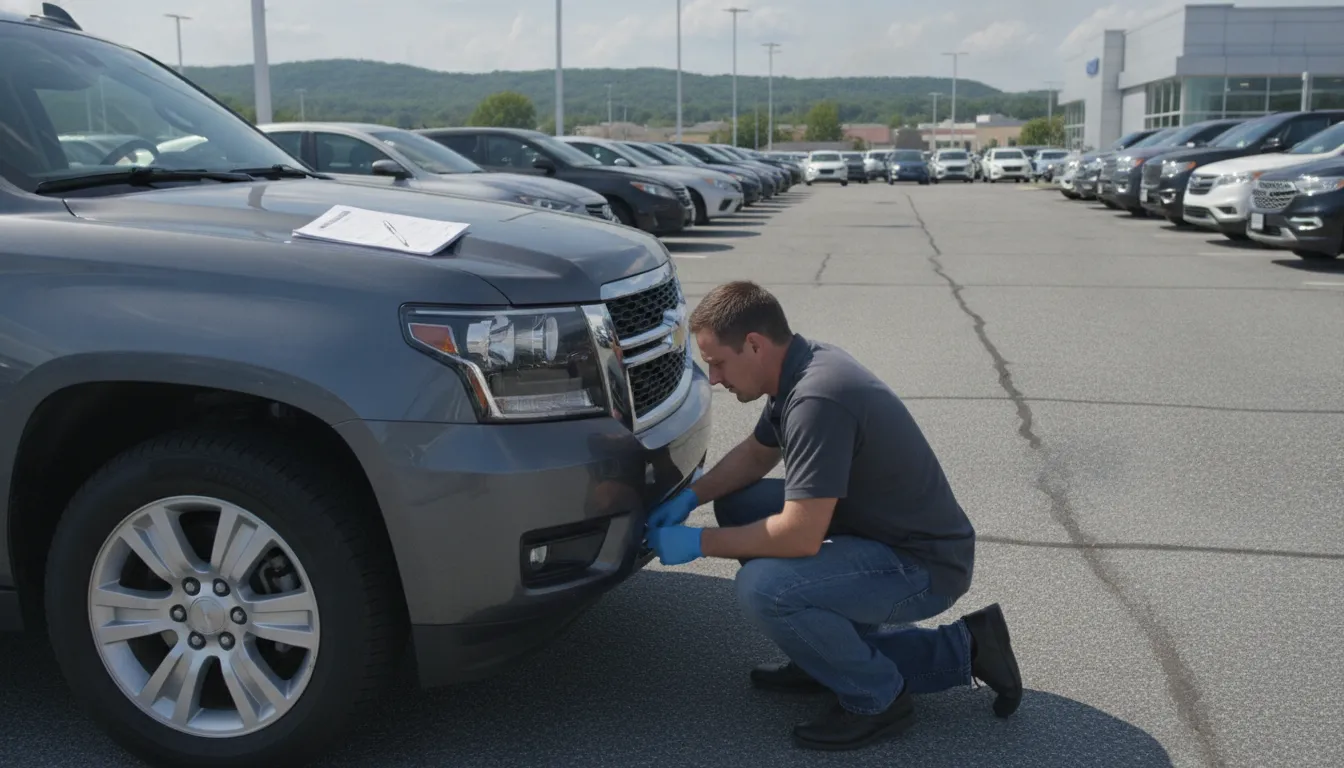
A thorough walk-around is key before you test drive used car options. Do not rush this step. Spotting body flaws or leaks on the lot can save you from a bad purchase. Take your time to check every detail before you turn the key.
Body panels and paint
Check the gaps between the hood, doors, and fenders. On a good car, these spaces are straight and even. Do you see wide or crooked gaps? That is a sign of past crash damage. Next, open and close every door. Do not skip the hood and trunk. They must swing open easily. They should shut tight with a light push.
Walk around the car in bright sunlight to check the paint. Look at each panel from a few feet away. Do you see mismatched colors on different doors or fenders? This is a sign of a cheap repaint after a wreck. Check for paint overspray on the black rubber trim. It is easy to spot. Watch for rust bubbles near the wheel wells too.
Tires and suspension check
Tires can tell you how well the past owner cared for the car. Examine all four tires. Check the tread depth. If the tread is thin, you will have to buy new tires soon. Look for even wear across the face of each tire. If the inside edge is bald, the alignment is likely bad. This can also point to worn steering parts. Check the tire sidewalls as well. Look for dry rot cracks, cuts, or bulges. These flaws can lead to a dangerous blowout at high speeds.
Next, test the shocks. Go to each corner of the vehicle and push down hard on the body. A good suspension will bounce up once and then settle. If the car keeps bouncing like a boat, the shocks are shot. Worn shocks make the ride bumpy and unsafe.
Underbody and cabin checks
Kneel down and look under the engine with a flashlight. Look at the pavement beneath the car. You want to check for fresh wet spots. Black oil, green coolant, or red transmission fluid drips are major warning signs. You should also check the frame for heavy rust. Watch for fresh weld marks or brand-new metal parts that could mean past frame repairs. A bent frame means the car is unsafe to drive.
Before you start your drive, get into the cabin to check the inside. Safety rules from the Oregon Department of Transportation advise checking that all basic equipment works. Sit in the driver's seat. Adjust the mirrors. Test the seat belts and the horn. Turn on the wipers, lights, and turn signals to make sure they work. Make sure the seat and wheel feel right to you before you start. Check that the AC blows cold and the heater blows hot. You want to find any broken buttons before you sign any paperwork.
Build a Test Drive Route Around Fredericksburg
You should not just drive a car around the block. A proper route helps you find hidden issues. In Fredericksburg, you have the perfect mix of roads to test any car. Plan a route that forces the car to work hard in many spots.
Low-speed maneuvering
Start your drive on quiet city streets where you can focus on handling. Carl D. Silver Parkway or downtown streets like William Street are great for this first step. You want to make tight turns and listen for any odd sounds. It is vital to test drive a used car to check how it runs and make sure every part works well.
Drive at slow speeds and do some stop-and-go driving. This helps you check how the car shifts gears and stops. Find an empty parking lot to turn the wheel all the way to the left and right. Listen for clicks or groans from the front wheels.
Highway speed and cabin noise
Next, take the car onto Interstate 95 to see how it acts at high speed. Use the ramp on Route 3 to merge into traffic. You want to see if the engine has good power when you step on the gas. Keep an eye on the dashboard for warning lights when you test drive a used car on the highway.
Listen for wind noise or rattles inside the cabin once you reach highway speed. If the steering wheel shakes, the wheels may be out of balance. Check for any smoke or odd noises from the engine during the test drive to catch major issues early.
At last, find a bumpy road to check how the car rides. A thorough test drive should let you check the suspension and braking performance. Look for some rough pavement near downtown or a gravel road to see how the shocks handle bumps.
The five-step route checklist
- Test low-speed turns. Drive through quiet streets to turn the wheel and feel how the steering handles. Listen for any clicks or rubbing noises while you turn.
- Do stop-and-go checks. Find a busy shopping area like Central Park to stop and start often. Make sure the brakes feel firm and the transmission shifts smoothly without jerks.
- Merge onto I-95. Use the on-ramp to speed up quickly and join highway traffic safely. Watch the dashboard and feel how the car gains speed.
- Cruising at highway speeds. Keep the car at 65 miles per hour to listen for wind leaks or loud tires. Check if the steering wheel vibrates or pulls to one side.
- Check the suspension on rough roads. Drive over some bumpy streets or a gravel patch to test the shocks. The car should absorb bumps without loud thuds or bouncy swings.
What to Listen and Feel For While Driving
Getting behind the wheel is your best chance to spot hidden issues. You must focus on every noise and shake when you test drive a used car. A small rattle or pull now could mean a big repair bill later.
Engine sound and exhaust
Start the car and let it run. The engine should idle softly and feel smooth. If you hear a loud knock or click, there may be a major fault. Check the exhaust pipe for any blue, white, or black smoke, since healthy engines should run clean.
As you drive, listen to how the car changes gears. A good gearbox shifts without jerks or pauses. For a manual car, the clutch must catch cleanly and not slip. Any grind or whine shows that the car needs work.
Brake performance and steering feel
You must test the brakes fully to stay safe on the road. A thorough test drive is your best way to evaluate its performance and ensure it is in good working order. Find a clear, open spot to slow down from a high speed. The car should stop in a straight line without any pull or shake.
If the pedal shakes or grinds, the rotors or pads may be worn out. You should also check the other systems while on the road. Make sure the lights, horn, and wipers are all in good working order before you finish.
Your hands on the steering wheel tell you a lot. If you feel a shake at high speed, the wheels may be out of balance. If the car drifts when you let go of the wheel, the front end may need an alignment. Be sure to pay close heed to these steering signs when you test drive a used car.
Suspension and ride quality
The suspension keeps the ride smooth and the tires on the road. You must test the suspension and brakes fully to find hidden wear. Our used vehicle inspection checklist can guide you as you drive over bumps to listen for loud clunks, squeaks, or thumps. If the car bounces many times after a bump, the shock absorbers may be worn out.
Take some tight turns at low speed as well. The car should feel stable and should not lean too much. If you hear a clicking sound when you turn the wheel all the way, the CV joints might be bad. Spotting these noises early will help you make a smart choice on your next ride.
Red Flags That Mean Walk Away
Buying a pre-owned car has more risk than buying a new one. This risk is why a thorough test drive is so key. You must look for signs that a car has hidden issues. Knowing what to watch for can save you from a bad buy. It is always smart to test drive used car options before you make an offer.
Troubling visual and smell warnings
When you check a car, start with a close look. Notice if the paint colors do not match on other parts. Large gaps between metal panels can show the car was in a bad crash. Inside the cabin, feel the floor mats. Wet carpets or a strong spray smell are bad signs. Sellers often use strong scents to mask mold from flood water. You should also look under the hood for fresh leak trails. By law, a licensed dealer must give you a written disclosure of known mechanical problems. But you still need to look for yourself.
Problems on the road
Once on the road, watch closely how the car moves. A good drive on local streets and highway ramps near Stafford and Fredericksburg will show a lot. Watch the dashboard when you turn the key. If the warning lights do not turn on at all, a seller may have pulled the bulbs to hide a fault. Feel for shakes in the steering wheel at high speeds. Listen for grinding noises when you press the brakes. White, blue, or black smoke from the exhaust is another major concern. If you feel or hear these issues, it is best to stop the test. State rules on used car safety show that checking these basic parts is key to keeping you safe.
Dealer pressure and missing disclosures
A helpful buying trip should never feel stressful. Some sellers will try to rush you or ask you to skip the road test. This pressure is a major red flag. A good dealer will want you to feel safe with your choice. They will support your request to have an expert check the car. If a seller stalls or pushes you to sign fast, you should leave the lot. Walking away is the best way to avoid a costly mistake.
| Concern | What it could mean | Action |
|---|---|---|
| Mismatched paint or panel gaps | Prior crash damage | Walk away or get a full frame check. |
| Warning lights that go out | Cleared codes or reset computer | Have an expert scan the system. |
| Wet carpets or strong scent | Flood damage or mold issue | Check under the mats and spare tire. |
| Smoke from the exhaust pipe | Engine wear or burning oil | Do not buy this car. |
| Brake noise or grinding | Worn pads or bad rotors | Ask for new brakes before buying. |
| Seller pressure to skip drive | Hidden mechanical problems | Walk away from the sale at once. |
What to Do After the Test Drive
Once you finish your test drive of a used car, do not rush to make a deal. You need time to think about how the vehicle felt on the road. Stepping away from the lot for a day helps you make a clear choice. You should use a smart checklist when you test drive a used car to keep track of every detail. This list will help you compare different models and find the best fit for your needs.
Time to reflect
A good test drive can make you excited, but you must stay calm. Sleeping on your decision gives you space to think. Take a day to consider how the car handles curves and stops. Think about the cabin noise, the seat comfort, and how the brakes felt. Do not let any sales pressure force you into a quick buy.
An independent vehicle inspection
You have the right to get a second opinion on any car. Before you sign any papers, ask the dealer if you can have an independent auto expert check the vehicle. A skilled mechanic can find hidden problems that you did not notice on the road. They can inspect the engine, the frame, and the brakes for you. This step gives you clear facts before you make your choice.
Written disclosures and service records
You should also look at the vehicle history and past repair logs. Ask the dealer for a written disclosure of known defects before you buy. A licensed dealer must tell you about any known car issues before you buy. Compare this disclosure to the service logs to make sure all things match up. This helps you avoid bad surprises down the road.
Next steps with Auto Fanatics
At Auto Fanatics, we want you to feel good about your next car. We offer a true no-pressure way to buy a used car in Fredericksburg. You can browse our used cars in Fredericksburg, VA on our site to find the perfect fit. Our team is here to answer your questions and help you get started when you are ready.
To make the process simple, you can use our Capital One pre-qualify tool. This online tool lets you check your loan options in minutes. You can see your real rate and monthly payments without any impact on your credit score. Once you know your budget, you can visit our lot with total confidence. We welcome independent inspections because we believe in complete honesty.
Ready to test drive a used car today? Browse our in-stock inventory and book your drive before this model sells.
Frequently Asked Questions
Can I get an independent inspection before buying a used car?
Yes. You should always ask the dealer or seller for permission to have your own auto expert check out the vehicle before you buy. According to the Oregon Department of Transportation, an independent inspection is a key step to find hidden mechanical issues. A quality dealership will welcome this request because they want you to feel confident in your choice.
How long should a test drive for a used car be?
You should plan to spend about 20 to 30 minutes on a test drive. This gives you enough time to drive on both local streets and the highway. A longer drive lets the engine warm up fully so you can check for leaks, smoke, or strange sounds. We never rush your drive because we want you to make the right choice.
What should I check when test driving a used car?
You should check the body condition, panel gaps, doors, and tires before you start the engine. According to CARFAX, used cars come with more risk than new ones, so you must also test the brakes and shock absorbers. You can also use a thorough test drive checklist to make sure you do not miss any key parts.
Why should I test drive a used car on the highway?
Yes, driving on the highway is vital. High-speed driving on routes like I-95 lets you check for steering wheel shakes and cabin noise. It also helps you feel how the car merges and speeds up. You want to make sure the car runs smoothly at high speeds before you buy.
Ready to test drive a used car in Fredericksburg, Virginia?
Good used cars sell very quickly in the Fredericksburg area, so waiting can mean missing out on your perfect daily ride. Starting your search today helps you find a safe and reliable car before another local buyer takes it home from our lot. Our friendly team offers a simple, no-pressure buying process backed by 500+ five-star reviews from local drivers who bought their cars here.
Ready to test drive a used car? We inspect every vehicle on our lot to keep you safe. Our team makes it easy to find and schedule your next ride at Auto Fanatics today.