Used Acura Hybrids: A Buyer Guide to Efficiency and Ownership
Used Acura hybrids can bring together a quieter, more comfortable drive and the potential to use less fuel than a comparable conventional vehicle. But the badge alone does not tell you how a particular car was maintained or how its hybrid system is performing. If you are comparing used Acura hybrids in Fredericksburg or nearby Northern Virginia, compare the exact model year, documented condition, service history, and your everyday driving needs before deciding.
Browse Auto Fanatics' used-car inventory in Fredericksburg and compare available vehicles.
Which used Acura hybrid fits your needs?
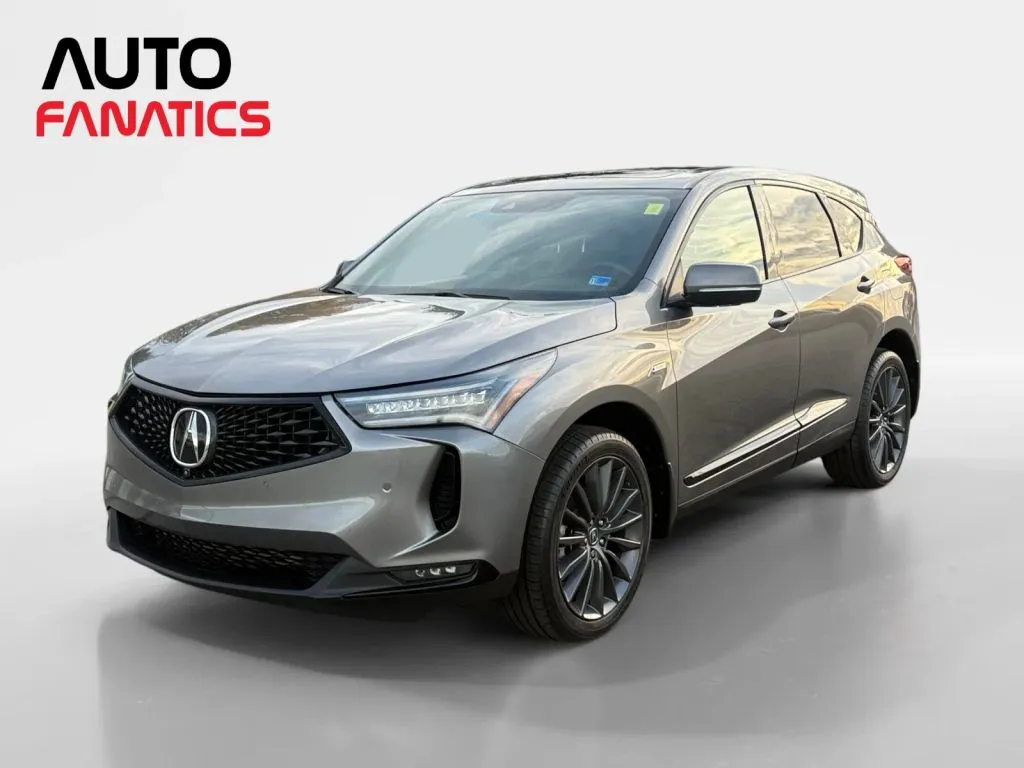
Acura has offered hybrid powertrains in different vehicles over time, including some sedans and SUVs. Availability depends on model year, and not every Acura with a hybrid name or badge is the same kind of vehicle. Confirm the exact year, trim, powertrain, and equipment on the specific car you are considering. A vehicle listing and its VIN are better guides than a general model-family assumption.
Start with the job you need the vehicle to do. A sedan may suit a commute and regular passenger trips, while a hybrid SUV can offer a higher seating position and a different mix of passenger and cargo space. A hybrid system does not make two vehicles interchangeable: seating layout, cargo access, ride feel, visibility, and operating costs can vary substantially.
- For commuting: Consider whether the cabin is comfortable for your usual trip and whether your route includes enough stop-and-go driving for the hybrid experience to suit you.
- For family use: Check rear-seat access, child-seat fit, cargo space, and whether everyone can sit comfortably. Bring the items you routinely carry if practical.
- For longer trips: Pay close attention to seat support, cabin noise, visibility, and how the vehicle feels at highway speed.
- For occasional cargo: Test the actual trunk or cargo opening. Hybrid components and packaging can affect usable space compared with another trim or powertrain.
Browse the dealership's used vehicle inventory as a starting point, then verify current availability and vehicle details directly. If an SUV is on your list, compare the vehicles in the used SUV inventory; do not assume that a particular hybrid model is currently available.
How should you set fuel economy expectations?
Published fuel-economy estimates are useful for comparing vehicles, but they are not a promise about what every driver will see. Results can change with speed, traffic, terrain, temperature, tire condition, maintenance, driving habits, and the vehicle's condition. Short trips, frequent cold starts, heavy acceleration, and extended highway driving may produce a different result from a calm, mixed commute.
Look up the exact model year and configuration rather than relying on a broad claim such as “all hybrids get great mileage.” For a model-specific reference, use the U.S. Department of Energy and EPA FuelEconomy.gov vehicle information and match the year and configuration. Treat an official estimate for the specific car as a reference point, then consider your own driving pattern. A buyer who spends most of a week on a steady highway route may have different priorities from someone whose daily drive involves slow traffic and short errands. Compare estimates on the same basis; do not compare a city estimate for one vehicle with a combined estimate for another.
Also compare the likely fuel savings with the complete cost of ownership. Purchase price, insurance, tires, scheduled maintenance, possible repairs, and financing all matter. A lower fuel bill does not automatically make one vehicle the better value if it does not fit your needs or if its condition and maintenance history leave important questions unanswered.
A simple estimate can help keep the comparison grounded. Write down the approximate miles you drive in a typical month, then use the exact model's published economy estimate and a realistic local fuel price to form a rough monthly fuel-cost comparison. Repeat the calculation for the other car you are considering. The result is only a planning tool: your actual mileage and fuel use may differ, and it does not account for purchase price, repairs, or financing. Still, a side-by-side estimate can show whether a possible fuel-cost difference is meaningful to your household budget.
Think through your route as well as the number. If most errands are short, include those in your expectations instead of assuming every trip resembles a longer drive. If your week includes highway travel, weigh seat comfort, cabin noise, and stable road manners along with fuel use. A vehicle that fits both your route and your passenger needs may be a more practical choice than one selected on a single estimate.
What should you ask about the hybrid battery?
A hybrid battery is one part of a larger system that may include an electric motor, power electronics, cooling components, and a conventional engine. The design and diagnostic process can differ by vehicle and year. Do not assume that a warning-free dashboard proves every component is in ideal condition, and do not assume an older hybrid battery has failed just because of its age.
Ask what information is available for the specific car. Useful questions include:
- Has the hybrid system had warning lights, drivability concerns, or diagnostic work?
- Are there service or repair records for the battery, cooling system, or related hybrid components?
- Was any battery work completed, and is there an invoice or warranty paperwork to review?
- What does the vehicle’s current inspection or condition report say about the hybrid system?
- Can the vehicle be evaluated by a qualified technician familiar with that model’s hybrid system if you want an independent assessment?
Battery condition and service history vary by vehicle and year. A used car’s remaining coverage, if any, may depend on its original in-service date, mileage, location, and warranty terms. Ask for the relevant documents and confirm eligibility with the warranty provider or manufacturer rather than relying on a general statement about hybrid warranties. If an answer is unclear, take time to get it in writing or have the vehicle reviewed before you commit.

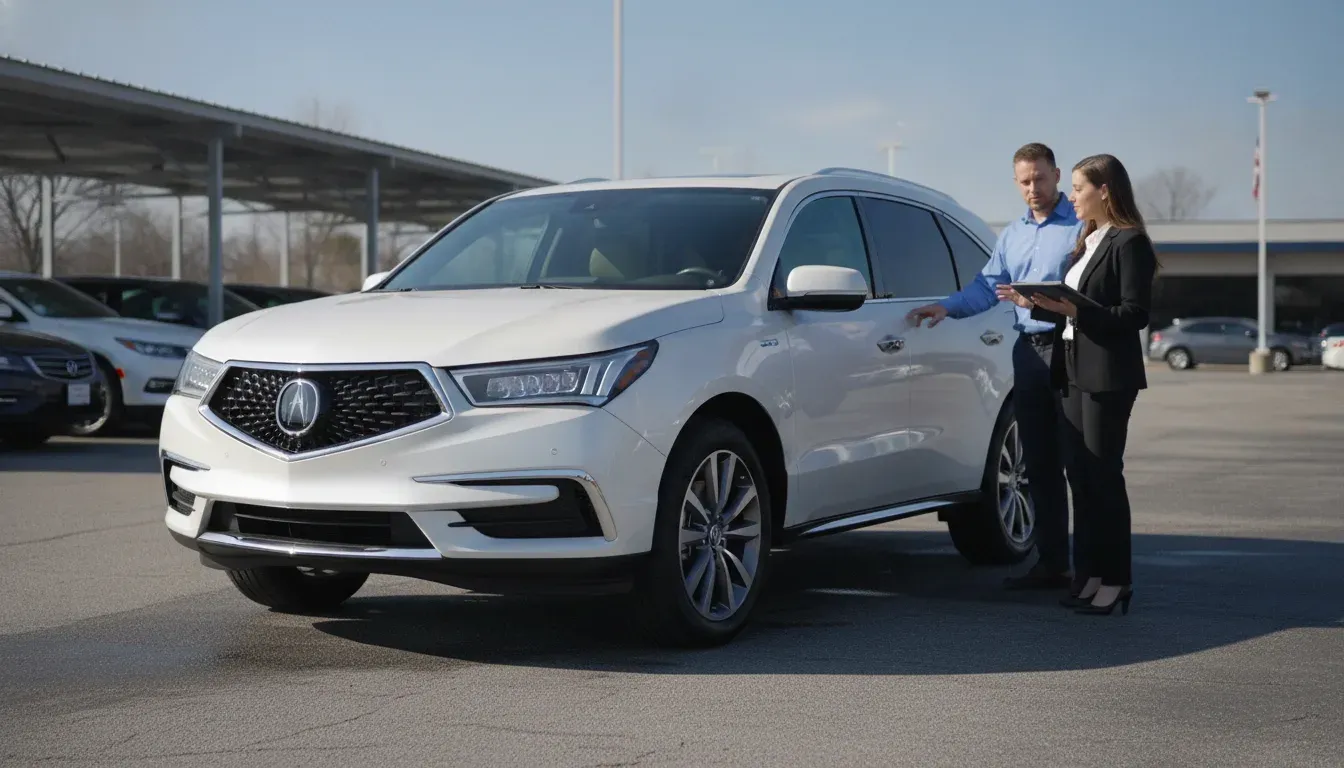
It also helps to separate what you can observe from what requires diagnosis. You can notice whether a warning message appears, whether the vehicle starts and drives consistently, and whether the seller can provide records. You cannot reliably measure battery health by looking at a dashboard display or taking one short drive. If battery condition is a central concern, make that a specific request for the inspection rather than treating a quick visual check as a complete evaluation.
Which service records deserve a closer look?
Service records help you understand what a vehicle has received and where gaps remain. They are not a guarantee that every component is trouble-free, but they make it easier to ask informed questions. Review records in date order and compare the mileage on each entry with the odometer and vehicle history information.
- Routine maintenance: Look for evidence of oil changes and other maintenance appropriate to the model and its use. Ask what is due next.
- Hybrid-system work: Note any diagnostic visits, warning lights, battery service, or repairs to related components.
- Cooling and HVAC: Ask about cooling-system service and confirm that the cabin heat and air conditioning work as expected.
- Tires and brakes: Check tire wear across the tread and ask about recent replacement or brake service. Uneven wear may merit follow-up.
- Accident or body repairs: Review available history and ask what documentation exists for significant repairs. A history report is helpful, but it may not contain every event.
Request the vehicle’s inspection information and ask which concerns, if any, were identified and addressed. Auto Fanatics emphasizes a transparent process and inspected vehicles; review the information for the particular vehicle rather than treating a general description as a substitute for its records. The dealership’s vehicle protection plan information can help you understand available coverage options. Read the terms carefully, including covered parts, exclusions, deductibles, claim steps, and the length of coverage. A protection plan is not the same as a manufacturer warranty.
When the paperwork is incomplete, do not treat the gap as proof that something is wrong or as proof that everything is fine. Instead, list the missing information and ask what can be confirmed. For example, if you see a large interval between recorded services, ask whether receipts or records from another shop are available. If maintenance is described verbally, ask whether there is a dated invoice or other document. A clear record lets you distinguish documented work from assumptions and gives you a better basis for planning future maintenance.
What should you check during the test drive?
A focused test drive can show whether the car suits you and help identify questions for follow-up. If possible, begin with the vehicle cold and drive on roads similar to the ones you use every day. Turn off audio so you can listen, and ask the seller to explain any unfamiliar displays or driving modes.
- Before starting: Check the seats, controls, windows, lights, climate controls, and visible interior condition. Adjust the driving position and make sure sightlines work for you.
- At startup: Watch for warning lights and note whether they illuminate as part of the normal startup check and then go out. Ask about any light that remains on or appears during the drive.
- At low speed: Drive gently through a quiet area. Notice whether acceleration and transitions between electric assistance and engine operation feel smooth and predictable. Avoid diagnosing a fault from sound alone; ask about any unfamiliar behavior.
- On a faster road: Check how the vehicle accelerates, tracks, brakes, and handles at a safe speed. Listen for unusual vibration, clunks, or persistent noise.
- After the drive: Park safely and check for new warning messages. Review questions while the experience is fresh, then request clarification or a professional inspection where appropriate.
Do not try to test a hybrid by repeatedly accelerating hard or attempting to force a particular operating mode. Drive normally and safely. Your aim is to notice whether the car behaves consistently and feels right for your use, not to conduct a technical diagnosis in traffic.
Use the drive to test daily-use details, not just acceleration. Try the driver’s seat for enough time to notice support and adjustability. Check whether the steering wheel and mirrors can be set comfortably, and whether important controls are easy to reach without taking your attention from the road. If you routinely carry passengers, have them check rear-seat access and comfort. If you use a garage or tight parking area, consider visibility and turning feel in a safe setting.
Before returning, pay attention to how the car behaves after it has warmed up. Confirm that climate controls still operate as expected and note whether any new message appears. A test drive does not substitute for a mechanical inspection, but a consistent route and a written list of observations make it easier to explain what you felt and ask for an informed follow-up.
How can you compare your options side by side?
Use the same checklist for every vehicle. That makes it easier to compare a hybrid with another hybrid or with a conventional Acura, without letting one attractive feature outweigh a major unanswered question. Bring your notes and mark each point as documented, observed, or still unknown. This simple distinction helps you avoid treating a seller’s explanation, your test-drive impression, and a written record as equal kinds of evidence.
| What to compare | Questions to ask | What to verify |
|---|---|---|
| Fuel economy | What is the estimate for this exact year and configuration? How does it fit my route? | Official estimate and your expected mix of city, highway, and short trips. |
| Hybrid system | Are there available diagnostic, service, or repair records? | Documents for the specific car; obtain a qualified assessment if needed. |
| Maintenance | What has been completed, and what is due next? | Service entries, mileage, inspection notes, and any supporting invoices. |
| Comfort and space | Will passengers and everyday cargo fit? Is the ride comfortable? | Seat fit, access, visibility, controls, cargo area, and test-drive feel. |
| Total cost | What is the full purchase and ownership cost for my situation? | Price and disclosed fees, financing terms, insurance quote, maintenance needs, and optional coverage terms. |
Ask for the full out-the-door figures and review the terms before signing. Compare the same elements across vehicles: selling price, taxes and fees, down payment, financing rate and term, and any optional products. A monthly payment by itself does not show the full amount you will pay or how long you will pay it.
For a more useful comparison, decide in advance which factors are essential and which are preferences. For instance, needing sufficient rear-seat room is a requirement; preferring a particular color may be flexible. Then compare the cars against the same list instead of revising your priorities each time you see a different vehicle. If one option has a lower listed price but unresolved questions about service history, write both facts down and decide what additional information would help you compare fairly.
What should you prepare before visiting a vehicle?
A little preparation can make an in-person comparison more productive. Save the listing details and VIN for the exact vehicle, and write down the questions that matter most to you. If you are comparing multiple cars, keep a separate note for each one so details do not blur together after several test drives.
- Confirm identity: Match the listing, VIN, model year, trim, and powertrain details to the vehicle and its paperwork.
- Ask what is available: Request service records, inspection information, vehicle history details, and any repair invoices that can be reviewed.
- Plan the drive: Choose a safe route with both lower-speed streets and, if appropriate, a faster road. Bring anyone who regularly rides with you.
- Bring practical items: If cargo space matters, bring a stroller, sports bag, or other item you routinely carry. Test the space without obstructing visibility or creating a safety issue.
- Set a budget framework: Know the total amount you can consider, not only a preferred monthly payment. Include insurance and likely ongoing costs in your planning.
For a vehicle you are seriously considering, take time to read the written terms and ask for explanations of anything unclear. If an independent inspection is important to you, discuss how to arrange one before you are under pressure to make a decision. A no-pressure process should leave room to review facts, ask questions, and decide whether the vehicle is the right fit.
What should Fredericksburg-area buyers keep in mind?
Driving around Fredericksburg and Northern Virginia can mean a mix of local streets, stop-and-go traffic, and longer highway trips. Think about your own weekly routine rather than an idealized commute. If you regularly travel with family, test rear-seat comfort and cargo access. If your route is mostly highway, pay attention to road noise and seat comfort at speed.
Check that the vehicle suits parking, driveway, and daily-use needs as well. A vehicle that feels comfortable on a short drive may feel different on a longer trip, so take enough time to test the features that matter to you. Auto Fanatics serves buyers in Fredericksburg and surrounding communities with a no-pressure approach and financing options for different credit situations. You can read customer testimonials and learn why more than 500 buyers have left five-star reviews, while remembering that your decision should rest on the specific vehicle, its documents, and your budget.
If financing is part of your plan, Auto Fanatics also offers Capital One pre-qualification so you can review an option before you shop. For planning a visit, confirm current hours and directions through the dealership’s contact page. You can also compare the broader used-car selection in Fredericksburg if you are still weighing a hybrid against another vehicle type.
Ready to compare used Acura hybrids? Browse Auto Fanatics' current inventory before you visit.
Frequently Asked Questions
Are used Acura hybrids automatically more fuel-efficient than every gas model?
No. Efficiency depends on the exact model, year, condition, route, and driving habits. Compare the official estimate for each specific configuration and think about how you drive day to day.
Can I tell whether a hybrid battery is healthy from a test drive?
A test drive can help you notice warning messages or unusual behavior, but it cannot confirm the full condition of every hybrid component. Ask for available service and inspection records and consider a qualified evaluation if you want more certainty.
Should I avoid an older used Acura hybrid?
Age alone does not determine whether a particular vehicle is a good choice. Consider its maintenance history, current condition, mileage, documentation, and how well it fits your needs. Confirm any warranty or coverage terms for that vehicle.
What is the most important question to ask before buying?
Ask what documentation is available for the specific car, including its service history, inspection findings, and any hybrid-system work. Then make sure your questions are answered clearly before you decide.
The best used Acura hybrid is the one whose condition, documented history, costs, and everyday comfort make sense for you after a careful comparison.