Used Cars for First-Time Buyers: The Essential Guide
When you’re buying your first car, you’re not just purchasing a vehicle; you’re making a major investment. The person or place you buy from is just as important as the car itself. You need a partner you can trust to give you straight answers and guide you toward a reliable choice without any high-pressure tactics. That’s why we created this guide. We want to empower you with the knowledge to identify a great car and a great dealership. We’ll show you how to research vehicles, what to look for during an inspection, and why finding dependable used cars for first-time buyers starts with finding a trustworthy source.
Key Takeaways
- Budget for the Big Picture: The price tag is just the start. To avoid surprises, factor in ongoing costs like insurance, gas, and maintenance so you can comfortably afford your car long after you drive it off the lot.
- Research is Your Best Friend: A little homework goes a long way. Check the vehicle's history report and safety ratings, and look up dealer reviews online to make sure you're choosing both a great car and a trustworthy partner.
- Preparation Puts You in Control: Don't rush into a decision. Getting pre-approved for a loan gives you a firm budget, and taking your time to compare cars helps you find the perfect fit without any pressure or regrets.
What Makes a Great First Car?
Buying your first car is a huge milestone. It’s your ticket to freedom, whether you’re commuting to your first real job, heading to classes, or just want to go on a weekend road trip without borrowing your parents' car. But with so many options out there, it’s easy to feel a little lost. What separates a good first car from a great one? It’s not about having the flashiest features or the most horsepower. A great first car is one that’s dependable, safe, and won’t drain your bank account with hidden costs.
Think of it as finding a reliable partner for your daily adventures. You want something that starts every morning, keeps you protected on the road, and is affordable to own long after you drive it off the lot. At Auto Fanatics, we’ve helped hundreds of first-time buyers find that perfect match, and we’ve learned that focusing on three key areas—safety, running costs, and insurance—is the secret to making a choice you’ll be happy with for years to come. Let’s break down what you should be looking for.
Prioritize Reliability and Safety
When you're a new driver, confidence is everything, and nothing gives you more peace of mind than knowing your car is safe and reliable. Look for vehicles with essential safety features like multiple airbags and an anti-lock braking system (ABS), which can make a huge difference in an emergency. Reliability is just as crucial. A dependable car means fewer surprise trips to the mechanic and more money in your pocket. Every vehicle in our inventory undergoes a meticulous inspection because we believe your first car should be a source of freedom, not stress. Choosing a car with a proven track record for safety and reliability is the smartest first step you can take.
Consider Fuel and Maintenance Costs
The sticker price is just the beginning of what you’ll pay for a car. To create a realistic budget, you need to think about the total cost of ownership. This includes fuel, routine maintenance, and potential repairs. A car that gets great gas mileage will save you a significant amount of money over time. Similarly, models known for their durability often have lower maintenance costs. When you’re browsing for cars, pay attention to their fuel efficiency ratings and research common maintenance needs for the models you like. A car that’s affordable to buy and affordable to run is the true definition of a smart purchase.
Look for Affordable Insurance
Car insurance can be one of the biggest—and most surprising—expenses for new drivers. Premiums are often higher for those with less experience on the road, but the car you choose plays a massive role in your rate. Insurance companies typically offer lower premiums for vehicles that are statistically safer, have smaller engines, and are less expensive to repair. Before you fall in love with a specific model, it’s a great idea to get a few insurance quotes. This simple step can help you avoid a budget-busting surprise and ensure your total monthly car payment is something you can comfortably handle. It’s all part of making a well-rounded, informed decision.
How Much Should You Budget for Your First Car?
Figuring out your budget is one of the most important first steps in the car-buying process. It’s about more than just the sticker price; it’s about understanding the total cost of owning a vehicle so you can drive away confidently without stretching your finances too thin. A well-planned budget sets you up for success and takes the stress out of shopping. It helps you narrow your search to vehicles that truly fit your life and your wallet.
Think of your budget as your roadmap. Before you even start browsing for the perfect used car, you need to know your destination. This means looking at the big picture—from the initial purchase price to the day-to-day expenses of keeping your car on the road. By setting clear financial boundaries from the start, you can focus on the fun part: finding a car you absolutely love. Let’s break down how to build a realistic budget that works for you.
Calculate Your Total Purchase Budget
First, decide on the maximum amount you're comfortable spending on the car itself. This is your "all-in" number. It should include the vehicle's price plus other immediate costs like sales tax, title, and registration fees. A common rule of thumb is the 20/4/10 rule: a 20% down payment, a loan term no longer than four years, and total car expenses (including principal, interest, and insurance) that don't exceed 10% of your gross income. While this is just a guideline, it’s a great starting point for creating a budget that won’t strain your finances. Having a firm number in mind before you shop prevents you from falling in love with a car that's outside your financial reach.
Factor in Ongoing Costs
The price you pay at the dealership is just the beginning. To understand the true cost of your car, you need to account for ongoing expenses. These include car insurance, which can vary significantly based on the car's model and your driving record, as well as fuel costs. You’ll also need to set aside money for routine maintenance like oil changes and tire rotations, and be prepared for unexpected repairs. Some drivers find it helpful to budget for automotive protection plans to cover unforeseen issues. Factoring these recurring costs into your monthly budget ensures you can comfortably afford your car long after you drive it home.
Use Our Car Loan Calculator
If you plan on financing your purchase, your monthly payment will be a major part of your budget. This payment is determined by the car's price, your down payment, the loan's interest rate, and the length of the loan term. To get a clear picture of what you can afford each month, it’s incredibly helpful to experiment with different scenarios. You can use a car loan calculator to input various numbers and see how they affect your potential payment. This simple tool empowers you to understand the financial details and find a payment plan that fits seamlessly into your budget, so there are no surprises down the road.
How to Finance Your First Car
Figuring out how to pay for your first car can feel like the biggest hurdle, but it doesn’t have to be. Understanding your financing options is the first step toward driving away with confidence. Whether you get a loan from your bank or finance directly through a dealership, the key is to find a plan that fits your budget and makes you feel secure. With a little preparation, you can handle the financial side of car buying like a pro.
At Auto Fanatics, we believe in making this process as clear and stress-free as possible. We’ve helped hundreds of first-time buyers find the right car and the right financing plan, and we’re here to walk you through every step. Our goal is to see you get the keys to a reliable car without any financial surprises.
Auto Loans vs. Dealership Financing
You generally have two main paths for financing: securing a loan from a bank or credit union, or financing directly through the dealership. Getting a loan from your bank can be a good option if you have a long-standing relationship with them. However, dealership financing offers unmatched convenience, as you can handle the car purchase and the loan application all in one place. While some dealerships might add extra financing fees, a transparent partner will lay out all the costs clearly. This is why working with a dealer you trust—one with over 500 positive customer reviews—is so important. We make the process straightforward, helping you find competitive rates without the hassle.
Build Your Credit for Better Rates
Your credit score is a major factor in the interest rate (APR) you’ll get on a car loan. For many first-time buyers, a limited credit history can lead to higher rates. Don't let that discourage you; it's a common starting point! If you have some time before you need to buy, you can work on building your credit. Simple actions like paying your bills on time and using a credit card responsibly for small purchases can make a big difference. Even if you need a car now, there are still great financing options available. We specialize in working with buyers at all credit levels to find a solution that works for their budget.
Why Getting Pre-Approved Is a Smart Move
Getting pre-approved for a loan is one of the smartest things you can do before you start shopping. It gives you a clear, realistic budget to work with and shows sellers that you’re a serious buyer. When you get pre-qualified, you’ll know exactly how much you can comfortably spend, which streamlines the entire process. This puts you in a stronger position and helps you focus on finding the right car within your price range. Once you’re ready, you can complete our full, secure application to get approved and lock in your financing. It’s a simple step that saves you time and removes uncertainty from the car-buying equation.
Best Used Cars for First-Time Buyers
Choosing your first car is a huge milestone, and the options can feel overwhelming. The "best" car is really the one that fits your lifestyle, budget, and needs. Are you mostly commuting to work, planning weekend road trips, or needing space for gear? To help you narrow it down, we’ve grouped some of the most reliable and popular choices for new drivers into three main categories. As you explore these options, remember that our team at Auto Fanatics is always here to answer your questions without any pressure. You can browse our entire inventory of used cars to see what catches your eye.
Compact Cars: Smart and Fuel-Efficient
If you’re looking for an affordable, easy-to-drive vehicle that sips gas, a compact car is an excellent place to start. Their smaller size makes them perfect for navigating city streets and squeezing into tight parking spots. Models like the Honda Civic and Toyota Corolla have built legendary reputations for reliability and low ownership costs, meaning you’ll spend less time and money on repairs. They offer a great balance of performance and economy, making them a smart, practical choice for daily commuting and getting around town. Check out our current selection of quality used cars to find a dependable and efficient ride.
Mid-Size Sedans: Comfortable and Reliable
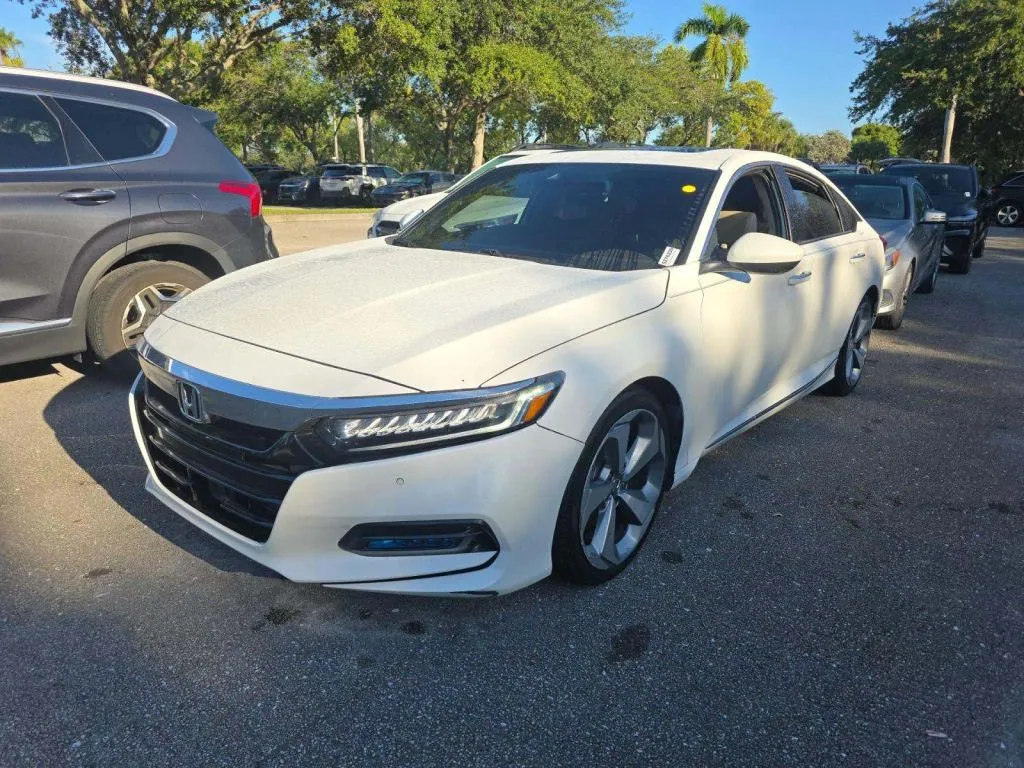
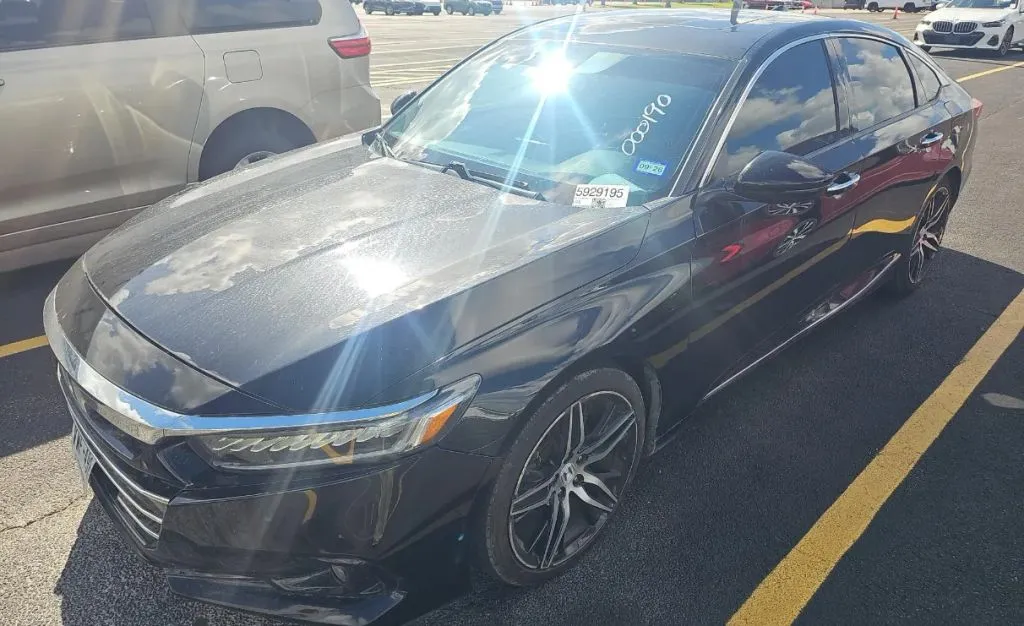
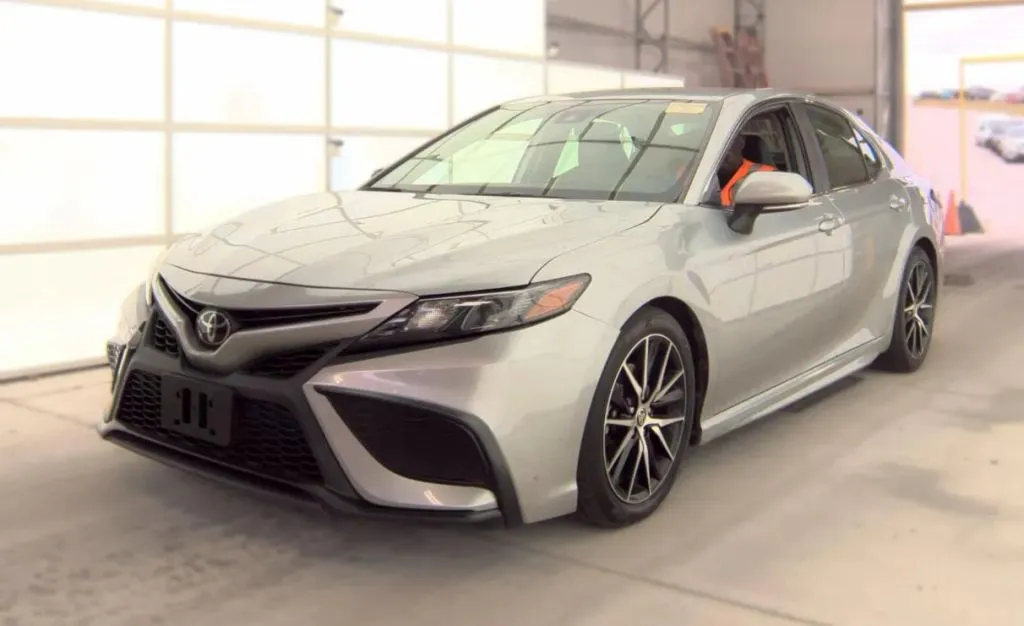
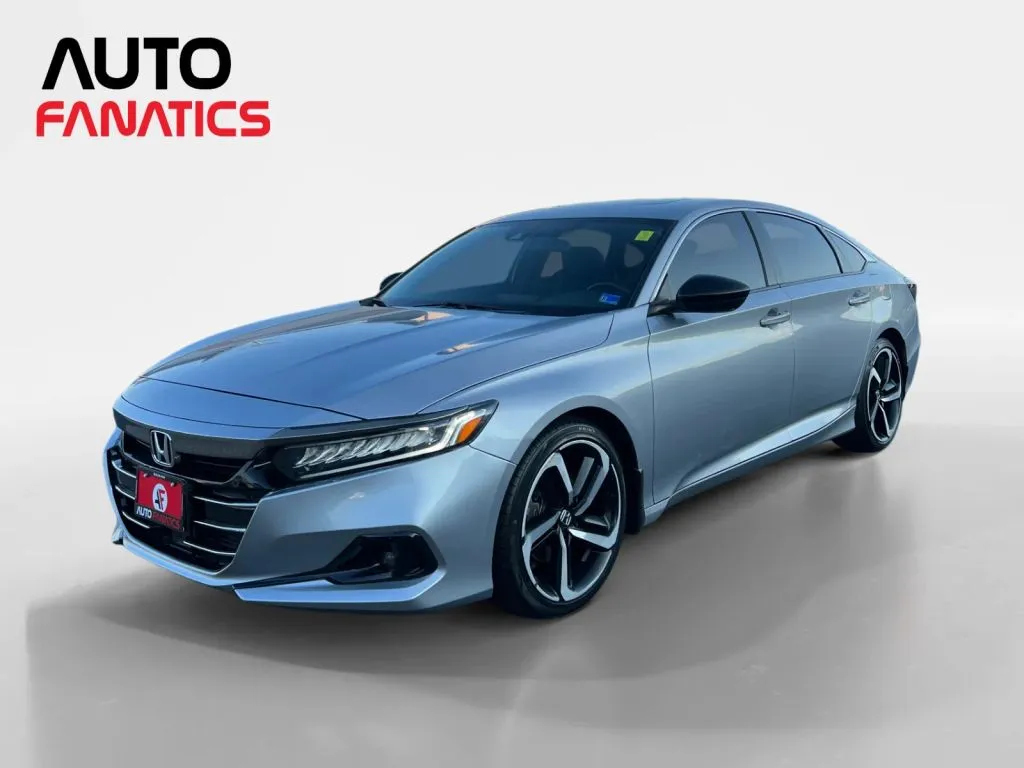
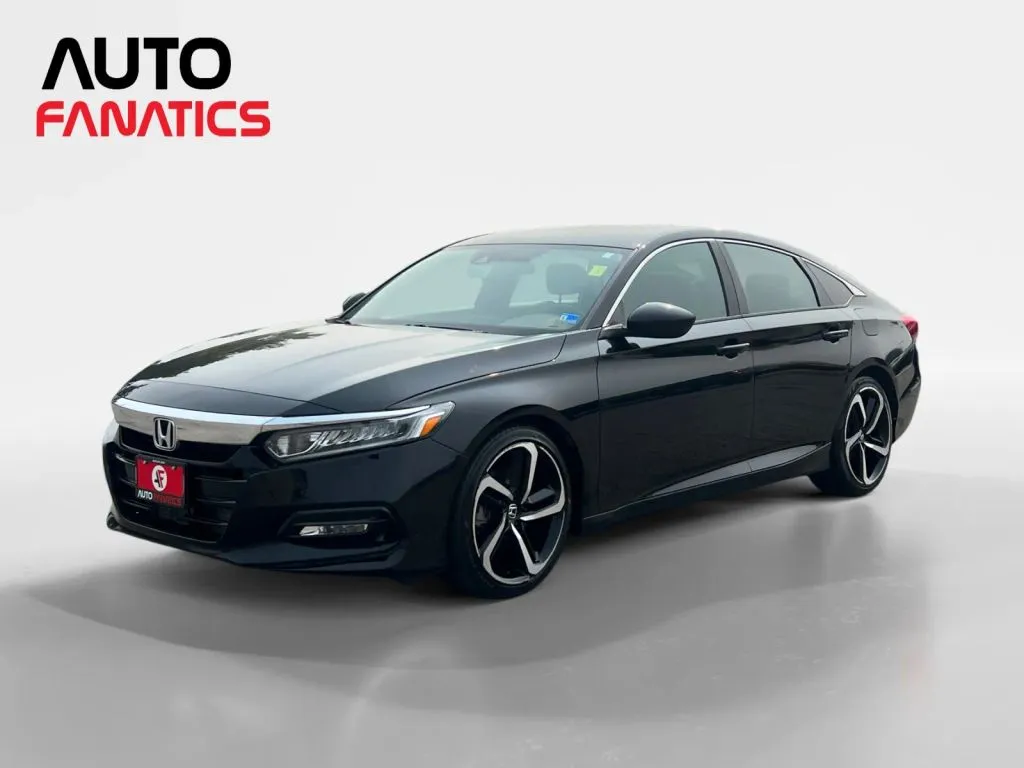
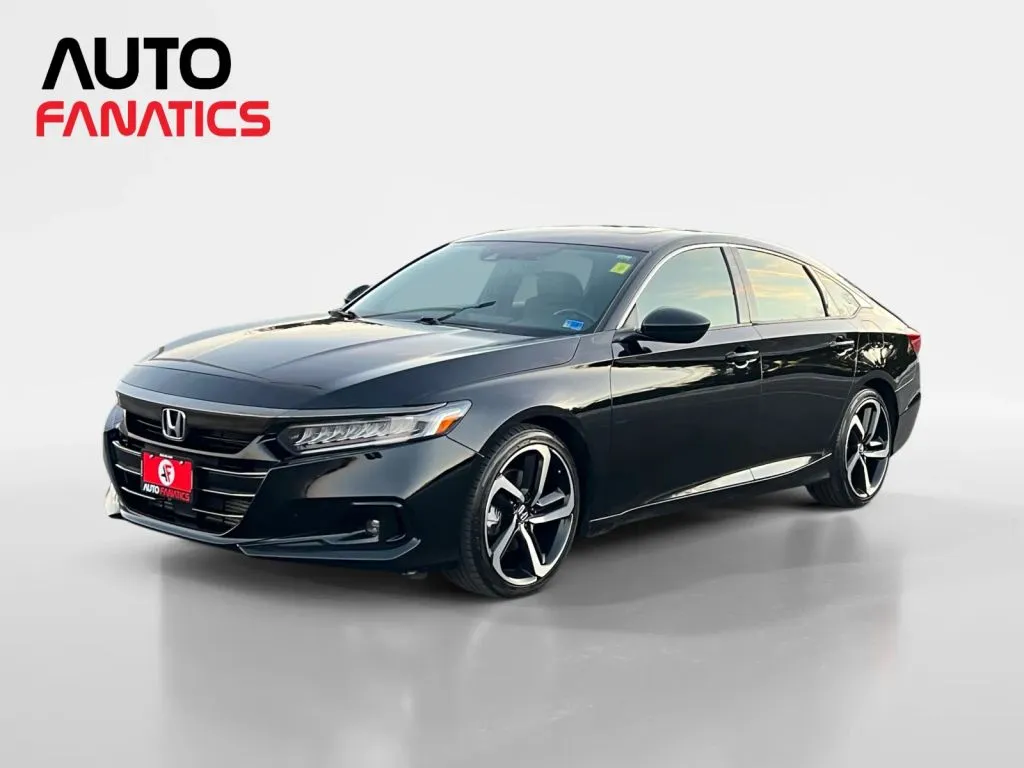
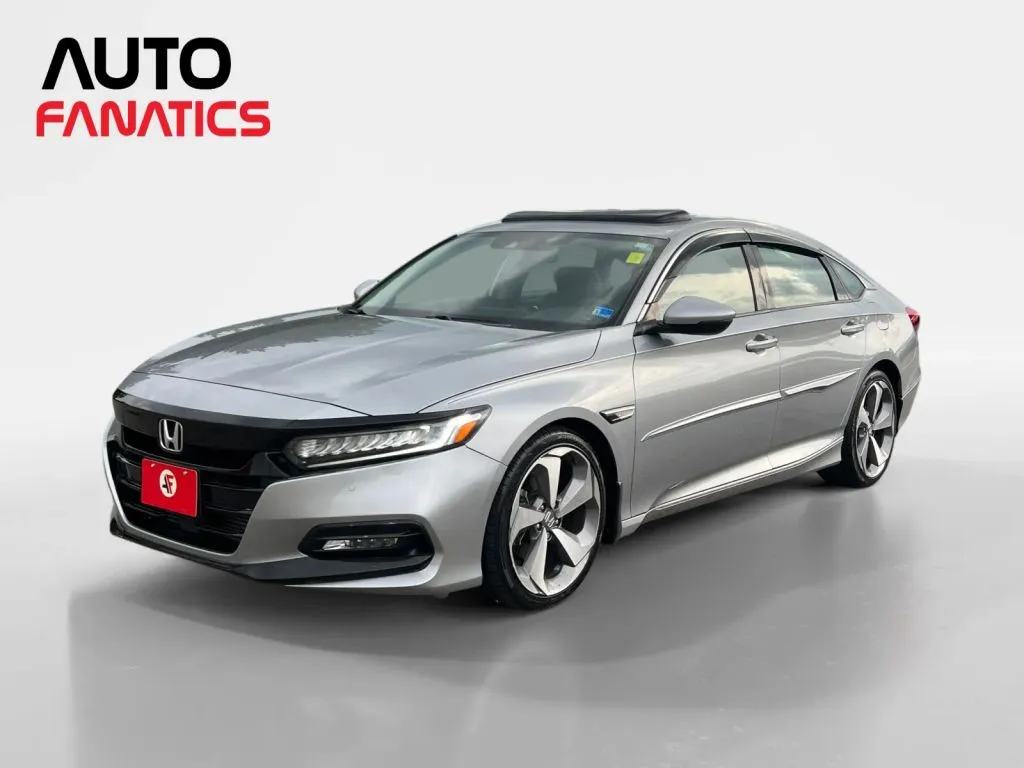
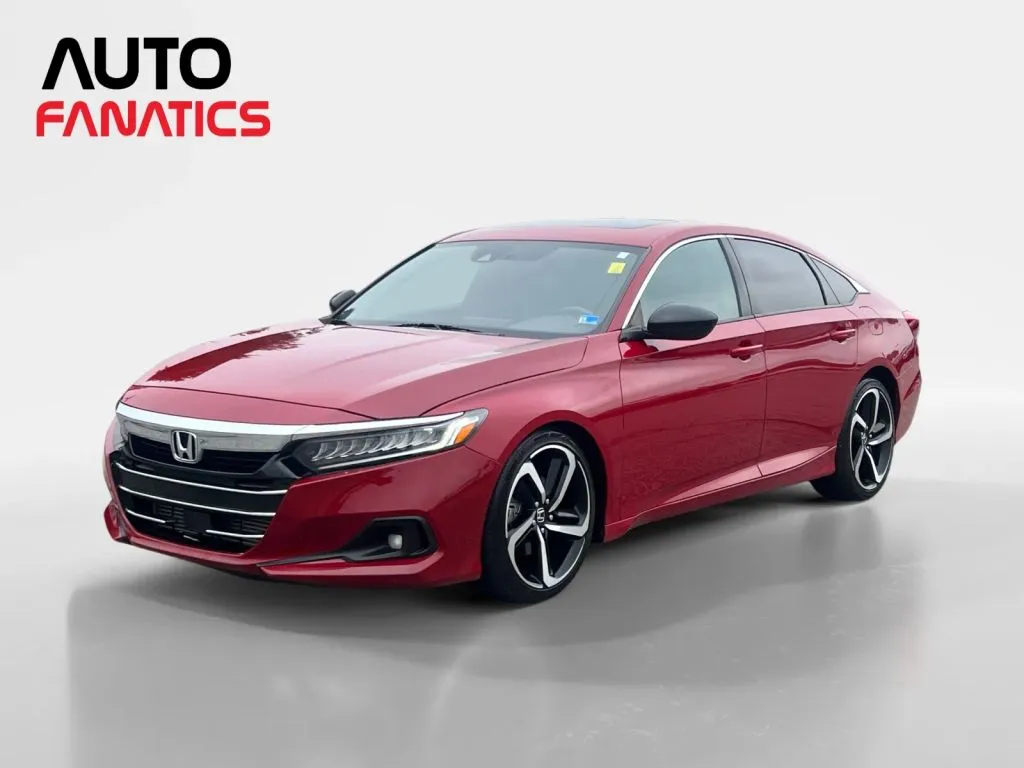
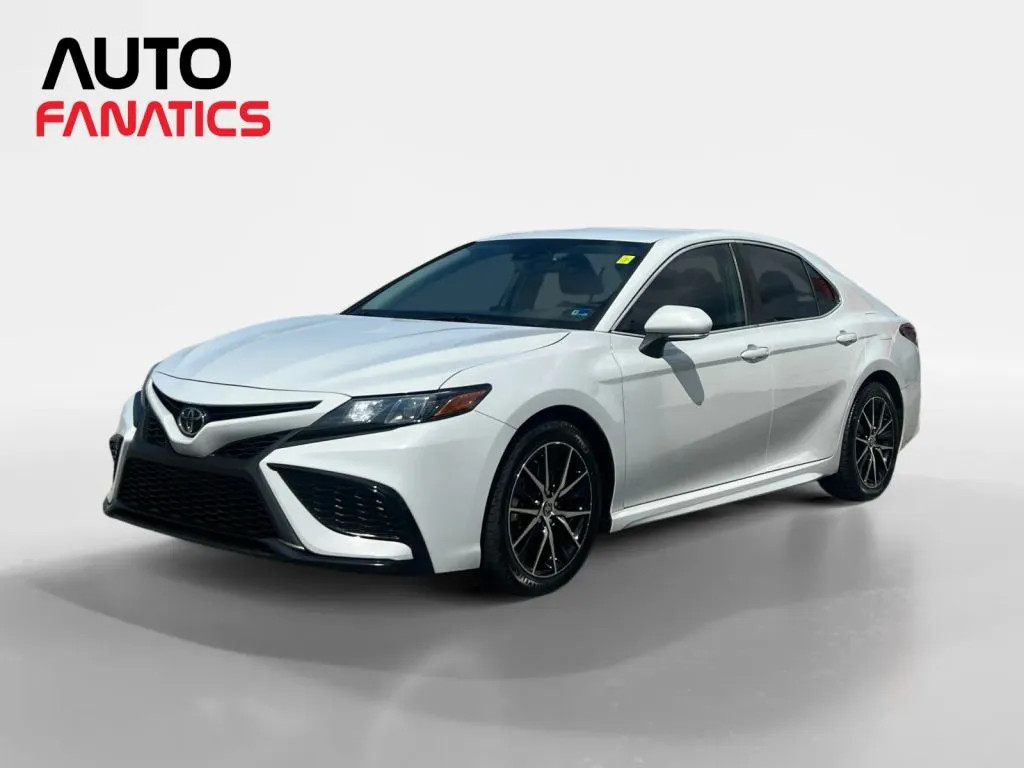
For those who need a bit more legroom and trunk space, a mid-size sedan is a fantastic option. These cars provide a smoother, more comfortable ride, which you’ll appreciate on longer drives or when you have passengers. The Honda Accord and Toyota Camry are standouts in this category, known for their impressive longevity and durability. They often come with more features than their compact counterparts without a huge jump in price. A mid-size sedan is a versatile choice that can easily adapt as your needs change, making it a solid long-term investment. Use our car loan calculator to see how a comfortable sedan can fit into your budget.
SUVs and Crossovers: Versatile and Spacious
If your lifestyle calls for more cargo space and versatility, an SUV or crossover might be the perfect fit. These vehicles offer a higher driving position for better visibility and flexible interiors that can handle everything from grocery runs to camping gear. Compact SUVs like the Honda CR-V and Toyota RAV4 are incredibly popular because they combine car-like handling with the practicality of a larger vehicle. Many also offer all-wheel drive, which provides extra confidence in rain or snow. For first-time buyers who want a do-it-all vehicle, our lineup of used SUVs offers plenty of reliable and spacious options.
How to Research and Compare Used Cars
Once you have a list of potential cars, it’s time to put on your detective hat. Doing a bit of research now will save you from headaches down the road and ensure you feel confident in your final choice. This step is all about comparing your options apples-to-apples, looking beyond the sticker price to understand what you’re really getting. By digging into the details, you can spot the best value and avoid any potential red flags. This process helps you move from a sea of options to a clear, organized list of top contenders that are not just good deals, but great fits for your life.
Create a Comparison Checklist
When you start looking at different cars from various sellers, things can get confusing fast. The best way to keep everything straight is to create a simple comparison checklist or spreadsheet. Seriously, just do it. List each car you’re interested in and track key details like the year, make, model, mileage, listing price, and a link to the online ad. Add a column for notes on the vehicle history report, such as any accidents or damage. This simple tool will be your best friend when you need to quickly compare vehicles and remember which car had what features. It helps you move from a sea of options to a clear, organized list of top contenders from our full inventory.
Read Reviews and Check Safety Ratings
You’re not just buying a car; you’re also choosing a dealership to work with. Before you even visit a lot, check out their reputation online. A quick search for reviews on Google can tell you a lot about their sales process and customer service. A dealership with consistently high ratings—like our 500+ five-star customer reviews—is a great sign that you’ll be treated with respect. At the same time, research the specific models on your list. Look up safety ratings from organizations like the Insurance Institute for Highway Safety (IIHS) and check for common reliability issues. This two-pronged approach ensures you’re choosing both a safe car and a trustworthy partner.
Understand the Total Cost of Ownership
The price you see online isn’t always the price you’ll pay. Many advertised prices don’t include taxes, title and tag fees, or dealer processing fees. To avoid any surprises, always ask for the "out-the-door" price. This is the total amount you’ll owe, with all costs included. Getting this number upfront gives you a clear picture of whether a car truly fits your budget. It’s a straightforward question that a transparent dealership will be happy to answer. You can also use a car loan calculator to estimate your monthly payments based on that final price, helping you make a smart financial decision.
Your Pre-Purchase Inspection Checklist
Once you’ve narrowed down your options, it’s time for the inspection. This is your chance to get to know the car and ensure it’s the right fit. While a trusted dealership has already put the vehicle through a thorough inspection, it’s still smart to do your own walkthrough. Knowing what to look for gives you the confidence to ask the right questions and make a great decision. Think of it as a final check to confirm you’ve found your perfect match.
Check the Exterior and Interior
A used car has lived a little, so expect minor signs of wear. A few small scratches are normal, but you’ll want to spot bigger issues. Walk around the car and check for significant dents, rust, or mismatched paint, which could signal a past repair. Check the tires for good tread. Inside, test everything—the A/C, heat, radio, and power windows. A good dealership will happily show you how everything works and tell you about their reconditioning. You can browse our entire inventory to see cars that have already passed our meticulous inspection.
Look Under the Hood
You don’t need to be a mechanic for a basic check under the hood. Start by looking for obvious leaks on the engine or on the ground beneath it. Check the fluid levels, like oil and coolant—they should be at the proper levels and look clean, not sludgy. Look at the battery for any corrosion on the terminals. During your test drive, listen for unusual noises like knocking or squealing. At Auto Fanatics, we stand by our vehicles, and our team is always here to answer questions about a car’s mechanics and history.
Review the Vehicle History Report
A vehicle history report, like a CARFAX, is a non-negotiable part of buying a used car. This report details past owners, service records, and any reported accidents. A reputable dealership will provide this for you upfront. If the report shows a past accident, it’s not an automatic deal-breaker, but you should ask for details on the damage and repairs. Transparency is key, and this information allows you to make a fully informed choice. Reading through customer reviews can also give you peace of mind that you're working with an honest dealership.
Where to Find a Reliable Used Car
Once you have a good idea of what kind of car you want, the next big question is where to buy it. This decision is just as important as choosing the right make and model because it sets the tone for your entire buying experience. You have a few options, from big online sites to local dealerships, and each comes with its own set of pros and cons. The key is finding a seller you can trust to guide you through this major purchase without pressure or confusing jargon. A great car from a shady seller can quickly turn into a nightmare, so let’s walk through how to find a source that has your back.
Why a Trusted Dealership Matters
Working with a reputable dealership can make buying your first car so much easier. A good dealer does more than just sell cars; they build relationships. They take the time to understand your needs and help you find a vehicle that fits your life and budget. Think of them as your partner in the process. They handle the complex paperwork, offer financing options, and provide meticulously inspected vehicles you can count on. At a dealership that values transparency, you won't have to worry about high-pressure sales tactics. Instead, you'll get clear, straightforward answers about pricing and vehicle history. This approach, which is central to how we do things at Auto Fanatics, turns a stressful process into an exciting one.
Online Marketplaces vs. Local Dealerships
While browsing massive online marketplaces can be tempting, the prices you see are often not what they seem. Many listings show an "internet price" designed to grab your attention, but it rarely includes mandatory costs like taxes, title and tag fees, or "dealer prep" charges. By the time everything is added up, the final price can be thousands of dollars higher than what was advertised. A transparent local dealership will give you the out-the-door price upfront, so you know exactly what you're paying. To get a clear picture of your total costs, you can use a car loan calculator to estimate your monthly payments, including all the associated fees. This helps you avoid surprises and stick to your budget.
Check a Dealer's Reputation and Reviews
Before you ever set foot on a car lot, do a little homework online. A quick search for a dealership’s name on Google can tell you a lot about what to expect. Are customers happy with their experience? Do the reviews mention honesty and good service? A dealership with a long history of positive feedback is a strong indicator that you’ll be treated with respect. For example, seeing that a dealer has earned over 500 five-star customer reviews shows a consistent commitment to making buyers happy. Investing a few minutes in reading reviews can save you hours of frustration and help you find a dealership that truly values its customers.
Common Mistakes to Avoid When Buying Your First Car
Buying your first car is a huge milestone, and it’s easy to get swept up in the excitement. But a little patience and preparation can save you from major headaches down the road. Knowing what pitfalls to look out for is just as important as knowing what features you want. By steering clear of these common missteps, you can make sure your first car-buying experience is a positive one that ends with you driving a car you truly love.
We’ve helped hundreds of first-time buyers find their perfect vehicle, and we’ve seen it all. The most successful buyers are the ones who take their time, do their homework, and ask the right questions. It's how we've earned over 500 five-star customer reviews from drivers right here in Fredericksburg. Let’s walk through the three biggest mistakes we see new buyers make, so you can avoid them and purchase your first car with total confidence.
Rushing the Process
The thrill of getting your own car can make you want to sign the first deal you see. But this is one of the biggest decisions you’ll make, so it’s worth taking a deep breath and slowing down. Rushing can lead to overlooking important details or settling for a car that doesn’t quite fit your needs or budget. Give yourself time to research different models, compare prices, and test-drive a few options. Think about your daily commute, lifestyle, and what you’ll be using the car for most. Creating a checklist of must-have features versus nice-to-haves will help you stay focused and make a choice you’ll be happy with for years to come.
Skipping the Inspection and History Report
When you’re buying a used car, its past is just as important as its present condition. Never skip getting a vehicle history report, like a CARFAX report. This document tells you crucial information about the car’s life, including accident history, service records, and title status. A reputable dealership will always provide this for you. Beyond the report, it’s also wise to have an independent mechanic inspect the vehicle. They can spot potential issues under the hood that aren’t visible to the untrained eye. This small investment can save you from costly repairs later and give you peace of mind that you’re making a sound purchase.
Ignoring the Total Cost of Ownership
The sticker price is just the beginning. A very common mistake for first-time buyers is forgetting to account for the total cost of ownership. This includes sales tax, title and registration fees, and potential dealership fees. Beyond the initial purchase, you also need to budget for car insurance, fuel, and routine maintenance like oil changes and tire rotations. Before you commit, use a car loan calculator to understand your monthly payments and make sure you have room in your budget for these ongoing expenses. Thinking about the full picture ensures your new car is a source of freedom, not financial stress.
Ready to Buy? How to Finalize the Deal
You’ve done the research, taken the test drive, and found the perfect car. Now it’s time to handle the final steps. This part can feel a little overwhelming, but a little preparation makes all the difference. Knowing what to expect will help you close the deal with confidence and drive away happy. Here’s how to make the final steps of your car-buying process smooth and stress-free.
Get Your Paperwork in Order
Before you sign anything, ask for the "out-the-door" price. This is the total amount you’ll pay, including the vehicle price, taxes, and all dealership fees. Seeing this number upfront ensures there are no surprises and that the car truly fits your budget. To complete the sale, you’ll typically need a valid driver's license, proof of insurance, and your payment method or financing pre-approval. Having these documents ready will speed up the process significantly. At Auto Fanatics, we believe in complete transparency, so we’re always happy to walk you through every line item on the bill of sale.
Choose the Right Car Insurance
You can’t legally drive your new car off the lot without insurance. Before you go to the dealership to finalize your purchase, you should shop around for car insurance quotes. Rates can vary widely between companies, and the type of car you buy will impact your premium. For example, a reliable sedan often costs less to insure than a high-performance sports car. Once you’ve chosen a policy, you can set the start date for the day you plan to pick up your car. Just bring your proof of insurance with you, and you’ll be one step closer to getting the keys.
Do a Final Walkthrough Before You Drive Away
This is your last chance to inspect the car before it’s officially yours. Give it one more look inside and out, and test the electronics like the radio, A/C, and power windows. If you agreed on any repairs, confirm they’ve been completed to your satisfaction. Don’t hesitate to ask about the maintenance we’ve performed on the vehicle; we meticulously inspect every car and are happy to share that information. It’s this commitment to quality that has earned us over 500 five-star reviews. For added confidence on the road, you can also ask about our available protection plans for your new ride.
Related Articles
- How to Find the Best Used Car Deals
- Where to Find Affordable Used Cars in Woodbridge
- Your Guide to Shopping for the Perfect Used SUV
Frequently Asked Questions
What if I don't have much credit history? Can I still get a loan? Yes, absolutely. This is a very common situation for first-time buyers, and it’s not a dealbreaker. While a long credit history can help you get lower interest rates, many lenders and dealerships work specifically with people who are just starting out. The key is to be realistic about your budget and partner with a finance team that can find a loan that works for you. Think of it as the first step in building a strong financial future.
How much should I really put down for a down payment? While the 20% guideline is a great goal, it’s not a hard-and-fast rule. The most important thing is to contribute an amount that you can comfortably afford without draining your emergency savings. A larger down payment is beneficial because it lowers your monthly payment and reduces the amount of interest you pay over time. However, even a smaller down payment shows lenders you're serious and can help you secure a better loan.
Should I choose a newer car with higher mileage or an older car with lower mileage? This is a classic question, and the best answer often depends on the car’s maintenance history. A newer car may have more modern technology and safety features, but high mileage can mean more wear and tear. On the other hand, an older car with very low mileage isn't always perfect, as long periods of sitting can be tough on rubber parts like belts and seals. The vehicle history report is your best friend here, as it shows how well the car was cared for, which is often more important than its age or mileage alone.
What's the difference between getting pre-qualified and pre-approved? Think of pre-qualification as a quick financial snapshot. You provide some basic information, and a lender gives you a rough estimate of what you could borrow. It’s a great tool for setting an initial budget. Pre-approval is the next step; it’s a more formal process where you complete a full application. The lender reviews your credit and provides a firm loan offer. Coming to the dealership pre-approved shows you’re a serious buyer and streamlines the entire purchasing process.
Besides the car's price, what other fees should I expect to pay? This is a crucial question for creating an accurate budget. The final "out-the-door" price includes more than just the cost of the vehicle. You should expect to pay for state sales tax, title and registration fees (to get your license plates), and a dealer processing fee, which covers the cost of preparing all the legal paperwork. A trustworthy dealership will always be upfront about these costs and provide you with a detailed breakdown before you sign anything.