Used Vehicles Under 15k: A Complete Buyer's Guide
Table of Contents
Used Vehicles Under 15k: A Complete Buyer's Guide
There’s a common myth that buying a car for under $15,000 means settling for something old, worn-out, or unreliable. We’re here to tell you that’s simply not true. The secret to getting a great deal is knowing where to look and what to look for. Many modern, safe, and feature-packed cars fall into this price range, offering incredible value for your money. This article will break down the top used vehicles under 15k, from fuel-efficient sedans to versatile SUVs. At Auto Fanatics, we specialize in finding these hidden gems and making them available to our community, a commitment you can see in our 500+ five-star reviews.
Key Takeaways
- Know the car's value before you shop: Use online tools to research market prices and read owner reviews for the models you're considering. Getting pre-approved for a loan also gives you a clear budget and strengthens your position.
- Inspect beyond the paperwork: A clean vehicle history report is essential, but a professional mechanical inspection is the best way to uncover a car's true condition. A thorough test drive on different types of roads will also reveal issues you can't see on paper.
- Understand the total cost of ownership: The sticker price is only one part of the equation. Remember to account for taxes, insurance, and future maintenance costs to ensure the vehicle truly fits your budget long-term.
What Are the Best Used Vehicles Under $15,000?
Finding a great car on a budget is more than possible. The best used vehicles under $15,000 prove that you don’t need to spend a fortune to get something reliable, practical, and even a little fun to drive. Whether you need a dependable sedan for your daily commute, a versatile SUV for family adventures, or a tough truck for weekend projects, there are fantastic options waiting for you. The key is knowing which models consistently deliver value and durability long after they leave the new car lot.
At Auto Fanatics, we specialize in sourcing high-quality, meticulously inspected vehicles that fit your budget and your lifestyle. Our team is here to help you explore our wide selection of used cars in Fredericksburg, VA, without any of the high-pressure sales tactics you might find elsewhere. We believe in transparency and building trust, which is why over 500 customers have left us five-star reviews. Let’s look at some of the top contenders in the under-$15k category.
Reliable Sedans for Your Commute
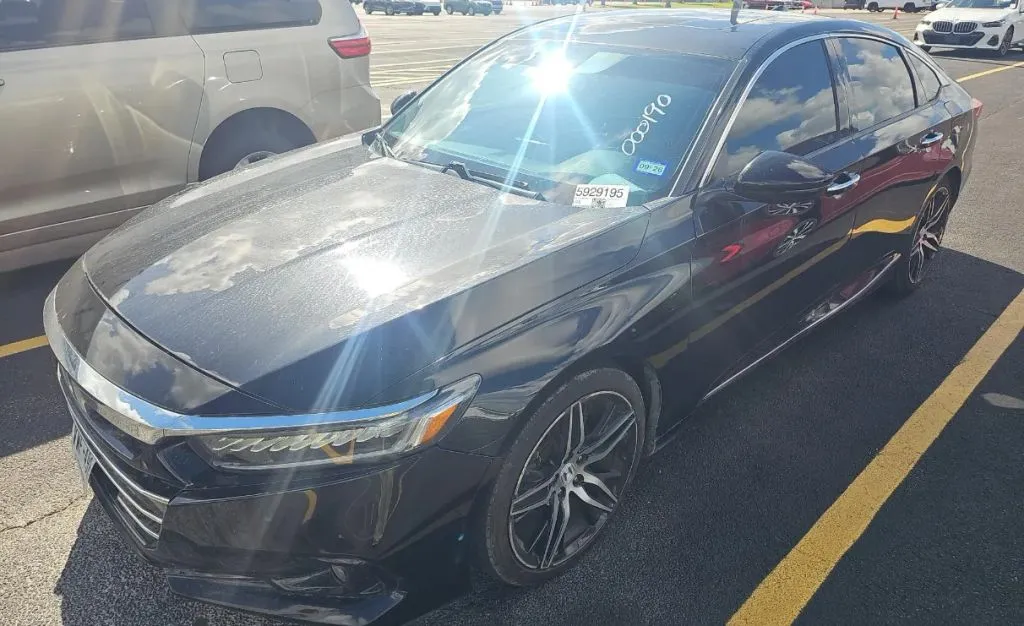
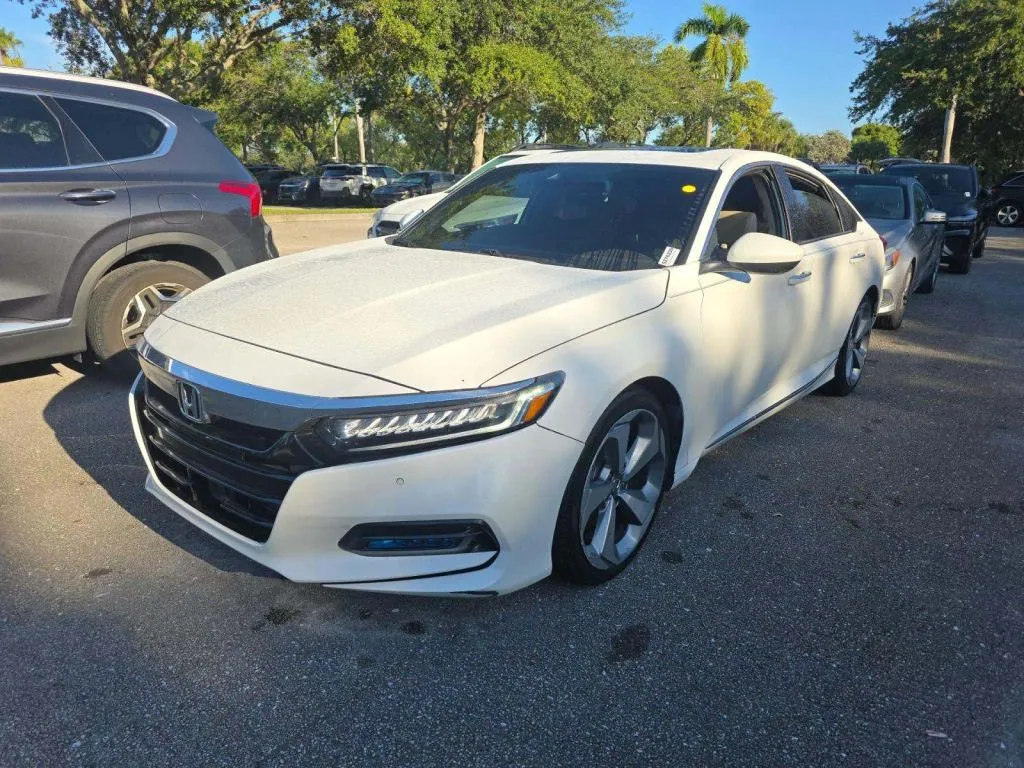
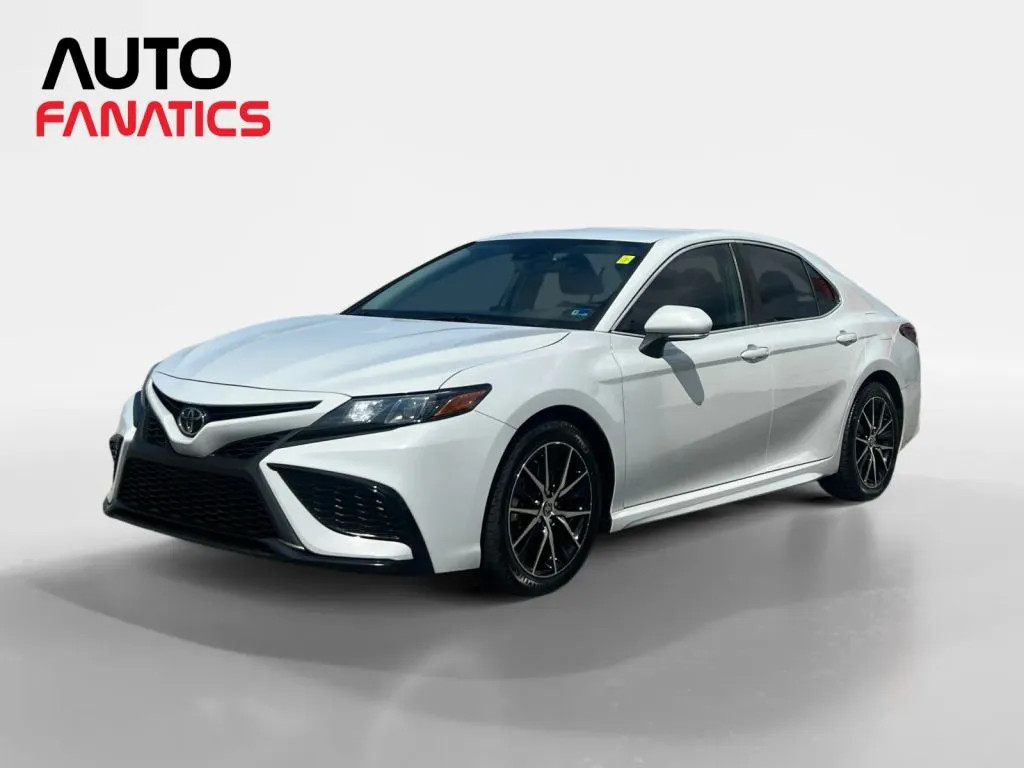
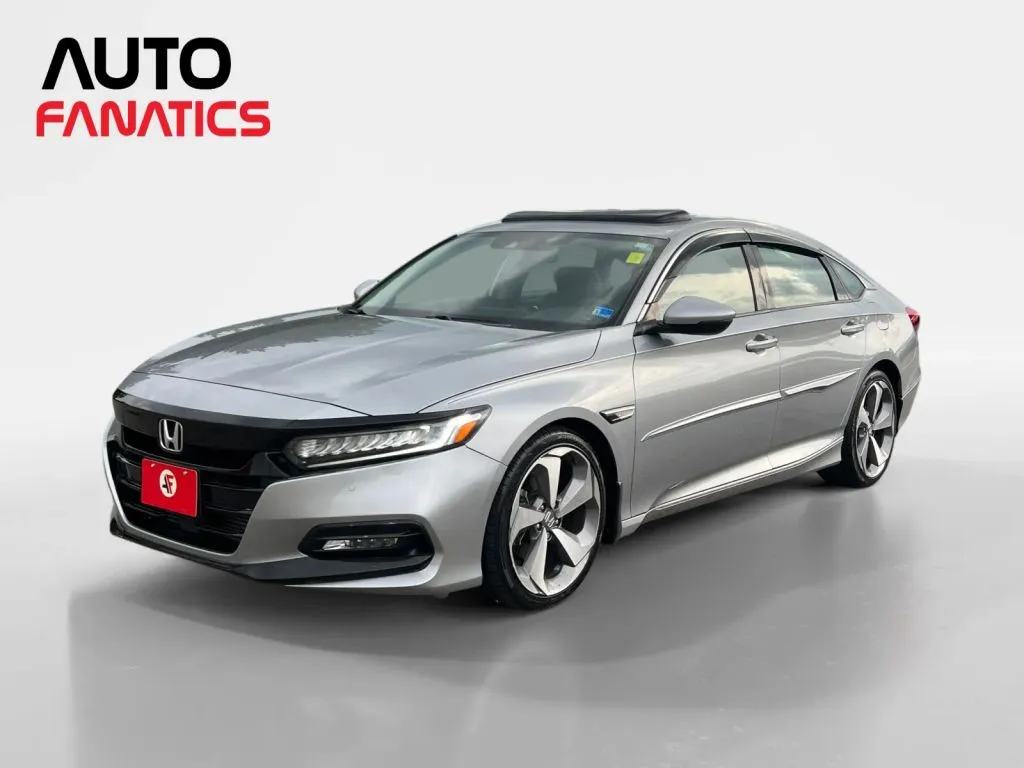
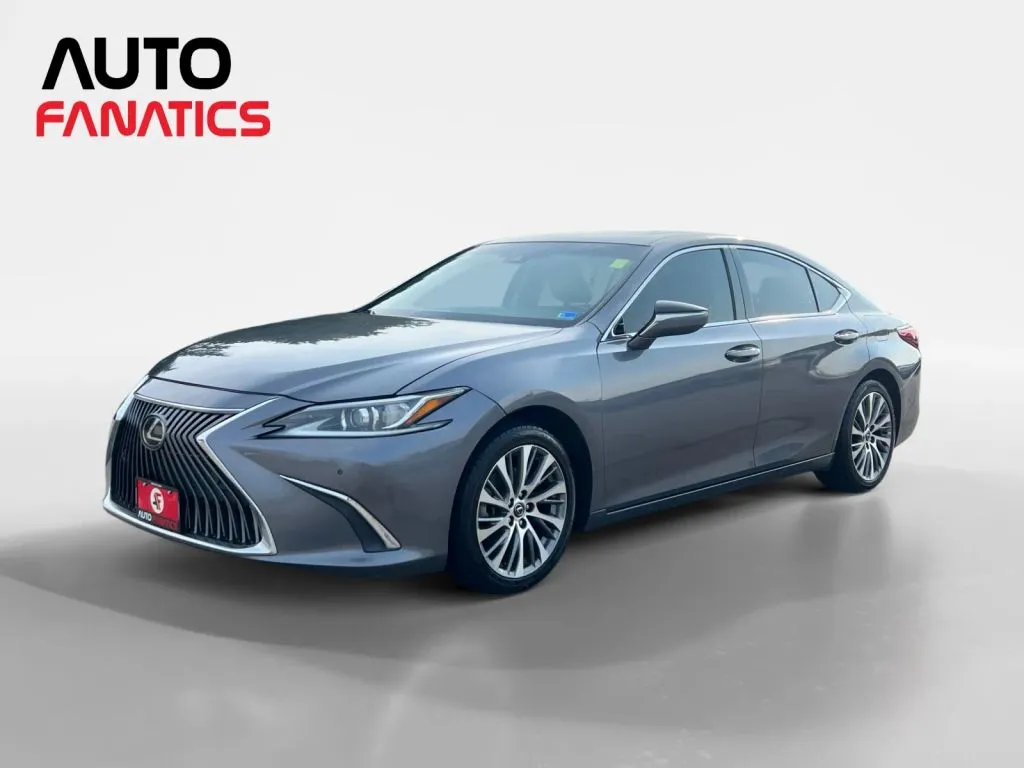
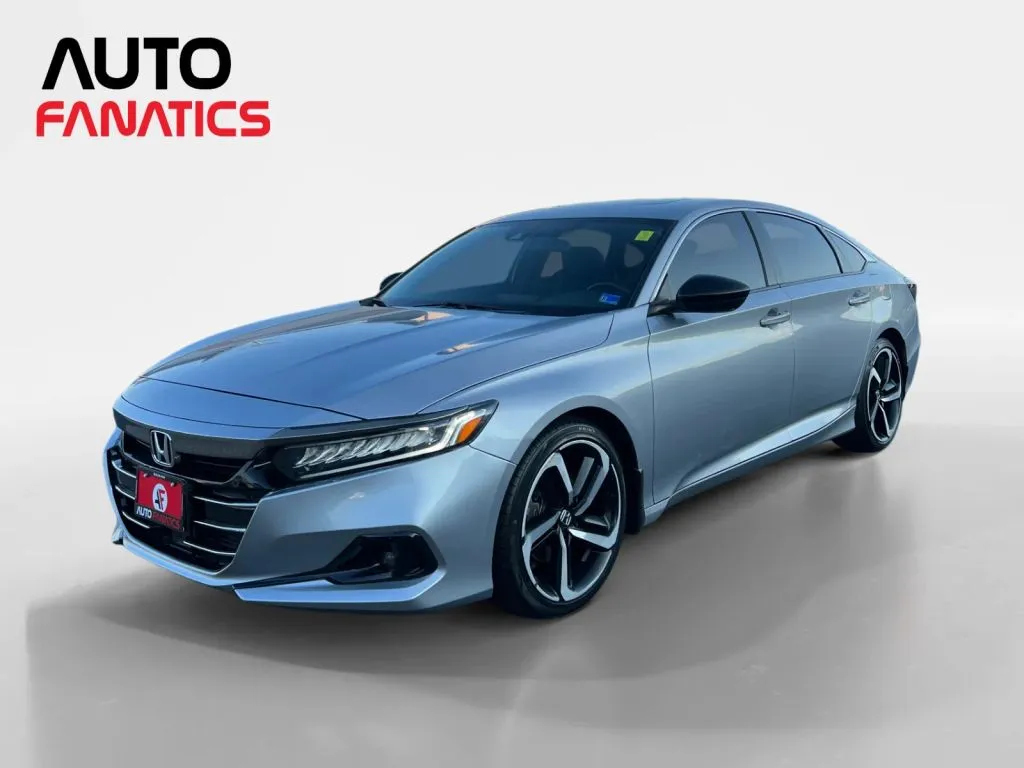
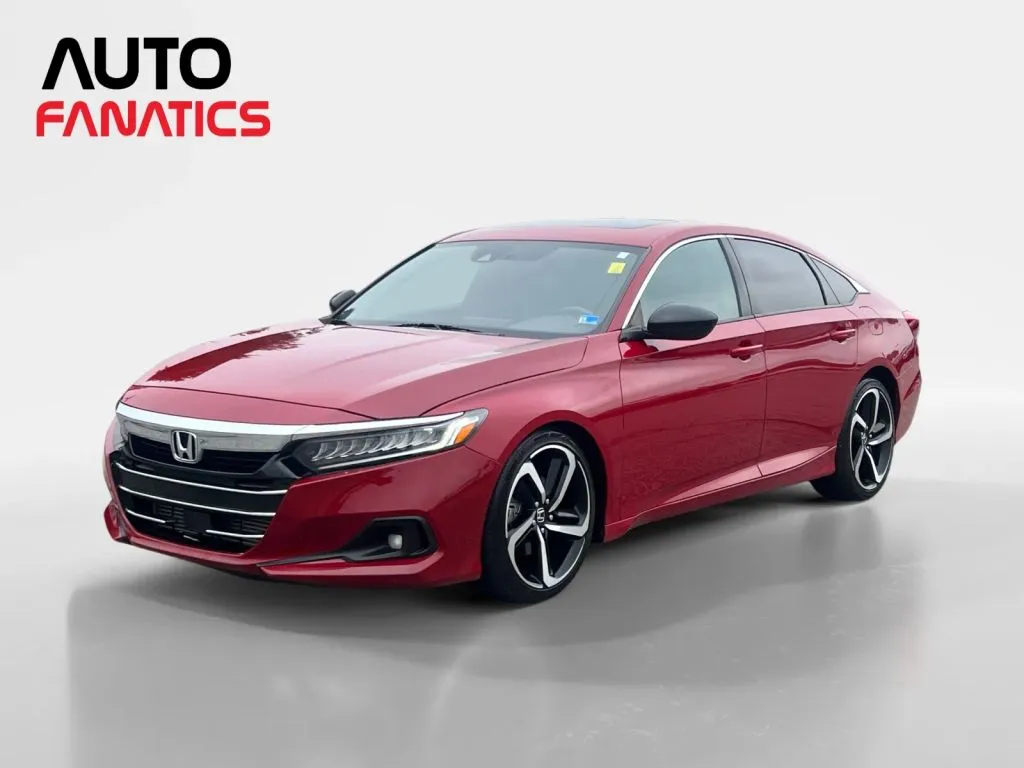
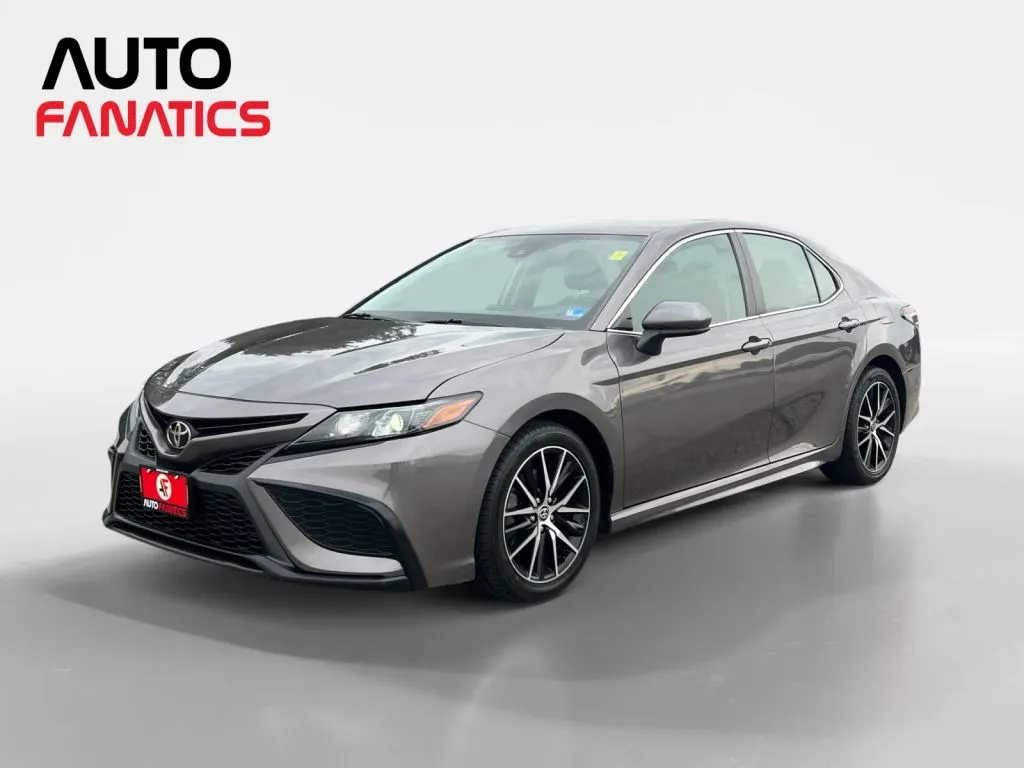
If you’re looking for a comfortable and efficient daily driver, a sedan is often the perfect choice. Models like the Honda Civic are perennial favorites because of their proven reliability, smooth ride, and excellent fuel efficiency. You can count on a Civic to get you where you need to go without a fuss. Other fantastic options in this price range often include the Toyota Camry and Corolla, both known for their longevity and low maintenance costs. These sedans offer a great balance of comfort, performance, and value, making them a smart investment for any commuter. Check out our inventory of quality cars to find your perfect match.
Fuel-Sipping Compact Cars
Want to get the most bang for your buck at the pump? A fuel-sipping compact car is the way to go. These vehicles are not only affordable to buy but also cheap to own, thanks to their impressive MPG ratings. The Hyundai Elantra is one of the best values you can find, often offering newer model years and more modern features compared to its competitors in the same price bracket. Compacts are easy to park, nimble in city traffic, and perfect for anyone looking to keep their transportation costs low without sacrificing reliability. They are a practical and budget-friendly choice for students, first-time buyers, or anyone wanting to save on gas.
Do-It-All SUVs and Crossovers
For those who need more space and versatility, a used SUV under $15k is an excellent goal. Reliability is key when you’re carrying precious cargo, which is why models like the Honda CR-V and Toyota RAV4 are so highly recommended. These crossovers offer the extra room you need for groceries, sports gear, and family road trips, along with the confidence of all-wheel drive for changing weather conditions. You get the practical benefits of a larger vehicle without breaking the bank. Our selection of SUVs includes many dependable and family-friendly options that are ready for your next adventure.
Hardworking Trucks for Work and Play
Finding a reliable used truck under $15,000 that can handle tough jobs is entirely possible. Models like the Ford F-150 and Chevrolet Silverado have built a reputation for durability and performance that lasts for years. These trucks are built to work hard, whether you’re hauling equipment to a job site or towing a boat to the lake on the weekend. While you might find models that are a few years older, their solid construction and powerful engines mean they still have plenty of life left in them. Take a look at our inventory of trucks to find a capable partner for all your work and play needs.
What Should You Look for in a Used Car Under $15,000?
Shopping for a used car on a budget doesn't mean you have to settle for less. It just means you need to be a smart shopper. Finding a reliable vehicle under $15,000 is entirely possible when you know what to look for beyond the price tag. It’s about identifying a car that offers real value, one that will serve you well for years to come. The key is to focus on the car's history, condition, and overall reputation.
At Auto Fanatics, we believe in transparency, which is why we want to share the exact things you should investigate before making a decision. Think of it as a checklist for peace of mind. By looking at a car’s complete story, from its age and mileage to its maintenance history and safety scores, you can feel confident you’re choosing a great vehicle. This approach is how we’ve earned over 500 five-star customer reviews, and it’s the best way to ensure you drive away happy.
Find the Sweet Spot for Mileage and Age
It’s easy to get hung up on mileage, but a lower number on the odometer doesn't always equal a better car. The goal is to find a healthy balance between a vehicle's age and how much it's been driven. A three-year-old car with 60,000 highway miles might be in better mechanical shape than a ten-year-old car with 40,000 miles that was only used for short, stop-and-go city trips. Modern cars are built to last, and hitting 100,000 miles is no longer the death sentence it once was. Look for a vehicle that shows signs of consistent use and care, rather than one that has sat for long periods.
Check the Vehicle History Report for Red Flags
A vehicle history report is your first line of defense. This report, from a service like CarFax or AutoCheck, gives you a snapshot of the car's past, including accident history, title status (watch out for salvage or flood titles), and the number of previous owners. While a clean report is a great sign, it’s just one piece of the puzzle. It confirms the car’s documented history is clear of major issues, giving you a solid foundation to continue your inspection. Reputable dealerships will always have these reports ready for you to review for any of their used cars, trucks, and SUVs.
Review Maintenance and Service Records
This is where you can really see how well a car was treated. As one expert put it, "A well-maintained car with higher mileage can be a better buy than a low-mileage car with a poor history." Detailed service records are proof that the previous owner took care of the vehicle. Look for consistent oil changes, tire rotations, and evidence that major scheduled maintenance was completed on time. This paperwork shows a commitment to the car's health and is one of the strongest indicators that you’re looking at a reliable vehicle. It also helps you plan for what services might be needed in the future.
Look Up Safety and Reliability Ratings
Before you fall in love with a specific car, take a few minutes to research the model's track record. You want the trifecta: a great price, solid reliability, and reassuring safety scores. Websites like the Insurance Institute for Highway Safety (IIHS) and Consumer Reports provide independent ratings that can help you avoid models known for common mechanical problems or poor safety performance. This quick homework can save you from future headaches and expenses. Once you have a few reliable models in mind, you can start searching for the perfect one in our available inventory.
Where Can You Find a Quality Used Car Under $15,000?
Once you have an idea of what you’re looking for, the next step is to start your search. Finding a reliable used car under $15,000 is completely achievable when you know where to look. Your main options are dealerships, online marketplaces, and private sellers. Each has its own set of pros and cons, so let’s walk through what you can expect from each one.
Dealerships vs. Independent Lots
Buying from a reputable dealership offers a level of security and convenience that’s hard to beat. At a place like Auto Fanatics, every vehicle is meticulously inspected before it ever hits the lot. We stand by our reputation, which is why over 500 customers have left us five-star customer reviews. You’ll find transparent, no-haggle pricing, so the price you see is the price you pay. Plus, dealerships offer no-hassle financing and can help you with all the paperwork, making the process smooth and straightforward. You can browse a wide selection of used cars, trucks, and SUVs all in one place, knowing each one has been vetted for quality.
Shop Smart on Online Marketplaces
Online marketplaces are a great starting point for your research. Websites like CARFAX allow you to search for vehicles from various sellers in your area and filter by price, make, and model. A huge advantage is that many listings come with a free CARFAX Report, giving you instant access to a car’s history. You can compare different vehicles and get a good sense of market prices from the comfort of your couch. Many trusted dealerships, including Auto Fanatics, list their inventory online. This gives you the best of both worlds: you can browse and compare online, then visit a reliable dealer for a test drive and a secure transaction.
Buy Safely from a Private Seller
You can sometimes find a great deal when buying directly from a private seller, but this path requires the most caution and due diligence. A well-maintained car with higher mileage can be a much better purchase than a low-mileage car with a spotty history. Always insist on getting a pre-purchase inspection from a mechanic you trust; it’s essential for spotting potential issues the seller might not mention. When you buy private, you’re on your own for everything from securing a loan to handling the title transfer. You also won’t have access to dealership benefits like protection plans or any recourse if the car has problems after you buy it.
How Do You Research and Compare Used Cars?
Doing a little homework before you start shopping is the best way to feel confident and in control of your car-buying journey. Research helps you understand what you can expect to find in your price range, identify reliable models, and spot a great deal when you see one. By using online tools, reading reviews, and comparing market values, you can narrow down your options and walk into a dealership prepared to find the perfect car for your needs and budget. This prep work ensures you’re not just buying a car, but making a smart investment.
Use Online Tools to Check Prices
Before you even think about a test drive, start your search online. Websites like Kelley Blue Book (KBB) and Edmunds provide pricing guides that can give you a solid idea of what you should be paying for a specific make, model, and year. You can also run the numbers on your own budget using a car loan calculator to see what fits comfortably. Starting your search locally is also a great strategy. You can browse a dealership’s entire selection from your couch, which saves you time and helps you find the best deals in the Fredericksburg area. This initial step helps you build a list of potential vehicles and set realistic expectations.
Read Reviews from Owners and Experts
A car’s price tag and mileage only tell part of the story. To get the full picture, you need to see what other people are saying. Look up expert reviews from automotive publications and, more importantly, read owner reviews on forums and consumer sites. Owners provide real-world insight into a car’s long-term reliability, common issues, and everyday performance. Remember, a well-maintained car with higher mileage can be a much better buy than a low-mileage car with a poor history. That’s why we’re so proud of our 500+ five-star customer reviews, as they reflect our commitment to selling quality, dependable vehicles.
Compare Market Values to Find a Fair Price
Once you’ve found a few cars you like, it’s time to see if the asking price is fair. Use the pricing data you gathered from online guides and compare it to the specific vehicles you’re considering. Keep in mind that a car’s market value depends on its age, mileage, condition, and even its color. Knowing this information gives you a solid foundation to identify whether a price is fair or inflated. It also helps you understand the value of your own vehicle if you’re planning to trade it in. Having a clear idea of a car’s worth makes the entire process more transparent and helps you secure a fair deal.
How Do You Check a Used Car's Real Condition?
A fresh coat of wax can hide a lot. To make sure you’re getting a reliable car and not just a shiny one, you need to look a little deeper. Think of yourself as a detective looking for clues about the car’s past and its true condition. At Auto Fanatics, we handle the detective work for you by thoroughly inspecting every vehicle, but these are skills every car buyer should have. Here’s how you can check a used car’s real condition before you buy.
Why You Should Get a Professional Inspection
A clean vehicle history report is a great start, but it doesn’t tell the whole story. That’s why getting a pre-purchase inspection (PPI) from a trusted, independent mechanic is one of the smartest moves you can make. A mechanic can spot issues you might miss, like hidden frame damage, potential engine trouble, or worn-out suspension parts. While a vehicle history report is a collection of documents and records about a car's past, a PPI tells you about its present and future. This step gives you peace of mind and can save you from costly repairs down the road. For an extra layer of security, you can also consider our automotive protection plans.
What to Check During Your Test Drive
The test drive is your chance to see how the car really performs. Don’t just take it for a quick spin around the block; try to drive it on roads you use every day, including highways and city streets. As you drive, turn off the radio and pay close attention. Even if the history report is clean, underlying mechanical problems can exist. Listen for any strange noises from the engine or brakes. Feel for vibrations in the steering wheel or seats. Does the car accelerate smoothly? Does it pull to one side when you brake? A thorough test drive is your best tool for uncovering issues that don't show up on paper. Feel free to browse our current inventory to find a car you'd like to test drive.
Inspect the Car for Physical Red Flags
Before you even get behind the wheel, do a careful walk-around inspection. Look at the car in broad daylight to spot any issues. Check the exterior for mismatched paint, which could indicate a previous repair, and look closely for any signs of rust, especially on the undercarriage. Rust can lead to serious structural problems and expensive fixes. Inside, check that all the electronics work, from the power windows to the air conditioning. Look at the condition of the seats and pedals to see if the wear and tear matches the odometer reading. A well-cared-for car will show it, and you can see the quality we stand by in our more than 500 five-star customer reviews.
What Are the True Costs of Owning a Used Car?
The price you see on the windshield is just the beginning. To make a truly smart purchase, you need to look beyond the sticker price and understand the full cost of owning a vehicle. Factoring in everything from taxes and insurance to future maintenance will give you a realistic budget and help you choose a car that fits your finances perfectly. Thinking about these costs upfront prevents surprises later and ensures your new-to-you car is a source of joy, not stress.
Understand the Total Cost of Ownership
One of the most common mistakes buyers make is focusing only on the monthly payment. A low monthly payment can be tempting, but it might hide a longer loan term that costs you more in interest over time. Instead, it’s better to concentrate on the vehicle’s total price, interest rate, and loan term. A shorter loan will have higher payments but will save you money in the long run. You can use a car loan calculator to play with the numbers and see exactly how the loan term affects the total amount you’ll pay. This helps you see the complete financial picture before you commit.
Factor in Registration, Insurance, and Taxes
Once you’ve agreed on a price, there are a few more immediate costs to handle. You’ll need to account for sales tax, title transfer fees, and the cost of registering the vehicle in your name with the Virginia DMV. Then there’s car insurance, which is a significant ongoing expense. Insurance rates can vary dramatically based on the car’s make, model, and year, so it’s a great idea to get a few insurance quotes for the specific vehicles you’re considering. Doing this before you buy helps you avoid any unwelcome surprises when you get your first bill.
Plan for Future Maintenance and Repairs
Every car needs routine maintenance, and used cars are no exception. It’s wise to set aside a budget for things like oil changes, new tires, and brake work. On more affordable cars, sellers sometimes skip these updates, so you might need to cover them soon after your purchase. Factoring in a few hundred dollars for initial upkeep can turn a good deal into a great one. For peace of mind against larger, unexpected repair bills, you might also consider one of our automotive protection plans. Having a plan in place helps you manage costs and keep your car running smoothly for years to come.
How Do You Finance a Used Car Under $15,000?
Finding the perfect car under $15,000 is a huge win, but figuring out how to pay for it can feel like a whole other challenge. Don't worry, financing doesn't have to be complicated. With a little planning, you can secure a loan that fits your budget and drive away with confidence. The key is to break the process down into a few simple steps. By understanding your options and preparing ahead of time, you can take control of your purchase and avoid common pitfalls. Let's walk through how to finance your next vehicle the smart way.
Get Pre-Approved for a Better Loan Rate
Walking into a dealership with a pre-approved loan is a serious power move. Getting pre-approved from a bank, credit union, or a trusted partner gives you a clear understanding of your budget before you even start shopping. You’ll know exactly how much you can afford and what your interest rate will be. This puts you in a much stronger negotiating position because you can focus on the vehicle's price, not the financing terms. It simplifies the entire process, allowing you to shop with the confidence of a cash buyer and find the right car without any financial surprises.
Compare Your Financing Options
Many car buyers make costly mistakes simply by not exploring all their financing avenues. It pays to do a little research. While your bank or credit union are great places to start, don't overlook the dealership financing options. At Auto Fanatics, we work with a network of trusted lenders to find competitive rates for our customers, often saving them time and money. When comparing offers, look beyond the monthly payment. Pay close attention to the interest rate (APR), the length of the loan term, and the total cost of the vehicle. A slightly lower monthly payment on a longer loan can end up costing you much more in interest over time.
Plan Your Down Payment and Monthly Budget
It’s easy to get focused on the monthly payment, but one of the biggest mistakes you can make is ignoring the total cost of the car. Before you commit, it’s essential to run the numbers. A larger down payment is always a good idea, as it reduces the amount you need to finance, which can lower your monthly payment and the total interest you pay. To get a clear picture of what you can afford, use a car loan calculator to experiment with different loan amounts, interest rates, and down payments. This helps you find a comfortable monthly payment that fits into your overall budget without stretching you too thin.
How Can You Negotiate the Best Price?
Negotiating the price of a used car can feel like a high-stakes game, but it doesn’t have to be. Think of it less as a battle and more as a conversation to find a price that feels fair to both you and the seller. The secret to a successful negotiation is preparation. When you walk in with a clear understanding of the car's value and your own budget, you're in a much stronger position. At a dealership that prioritizes transparency, like Auto Fanatics, this conversation is straightforward and respectful. Our no-pressure sales philosophy is a core part of why we have over 500 five-star customer reviews. We want you to feel confident and happy with your purchase.
However, whether you're shopping with us or somewhere else, being equipped with the right information and strategies is crucial. It empowers you to advocate for yourself and ensures you get the best possible deal on a car you love. This isn't about lowballing or being confrontational; it's about making an informed offer based on solid research. A good dealership will appreciate a well-informed buyer because it leads to a smoother, more transparent transaction for everyone involved. The following tips will help you prepare for this conversation so you can approach it with confidence and come out with a great vehicle at a fair price.
Research Market Value Before Negotiating
Before you even think about making an offer, do your homework. You should walk into the dealership with a clear idea of the car’s market value based on its make, model, year, mileage, and condition. Use online resources like Kelley Blue Book or Edmunds to find this information. Knowing the typical price range for the car you’re interested in gives you a solid foundation for your conversation. This isn’t about trying to catch someone; it’s about confirming that the asking price is fair and aligns with what the market suggests. This knowledge helps you start the discussion from an informed and confident position, turning a potentially stressful negotiation into a simple, fact-based chat.
Use Inspection Findings as Leverage
A pre-purchase inspection is one of your most powerful tools. If the mechanic you hired finds any issues, like worn-out brake pads or tires that will need replacing soon, you can use that report to discuss a price adjustment. The goal isn't to demand a huge discount but to have an honest conversation about the car's true condition. You can ask for the price to be lowered to cover the cost of the necessary repairs. This approach is fair and reasonable, as it ensures the price reflects the vehicle's immediate needs. It’s also smart to negotiate your trade-in value separately to keep the conversations clear and focused on one thing at a time.
Time Your Purchase to Save More
Believe it or not, when you buy can have a big impact on the price you pay. Many dealerships operate on monthly, quarterly, or yearly sales goals. Shopping toward the end of these periods can sometimes give you an edge, as sales teams may be more motivated to make a deal to hit their targets. You might also find that visiting the dealership on a weekday is more relaxed than on a busy weekend. This gives you more time and attention from the sales staff, allowing for a more thorough and less rushed conversation. A little strategic timing can go a long way in securing a better price on your ideal used car.
What Mistakes Should You Avoid When Buying a Used Car?
Buying a used car is an exciting process, but it’s easy to make a misstep if you’re not careful. A great deal isn’t just about the price; it’s about the long-term value and reliability you get from your vehicle. Knowing the common pitfalls can help you steer clear of buyer’s remorse and drive away with confidence. At Auto Fanatics, our transparent, no-pressure approach is designed to help you avoid these very issues, a commitment reflected in our 500+ five-star reviews.
Don't Skip the History Report or Inspection
Think of a vehicle history report as the car’s resume. It’s crucial to check the report to understand its past, including any reported accidents or title issues. However, a clean report doesn’t always tell the full story. Underlying mechanical problems may exist that won’t show up on paper. That’s why a professional inspection is so important. We meticulously inspect every vehicle in our inventory, but if you’re buying elsewhere, we always recommend having a trusted mechanic give it a thorough look. This small investment can save you from major headaches and unexpected repair bills down the road.
Look Beyond the Monthly Payment
It’s easy to get fixated on the monthly payment, but it’s one of the biggest mistakes a car buyer can make. Focusing only on that number can hide the true cost of the vehicle. A low monthly payment might be attached to a very long loan term, meaning you’ll pay significantly more in interest over time. Instead, concentrate on the total price of the car, including taxes, fees, and the interest rate. Use a car loan calculator to experiment with different loan terms and down payments to see the full financial picture. This helps you create a budget that works for you without any surprises.
Avoid Rushing into a Decision
Feeling pressured to make a quick decision is a major red flag. Whether that pressure comes from a salesperson or your own fear of missing out, rushing often leads to regret. Take your time with the test drive. Don’t just drive around the block; test the car on different types of roads, listen for strange noises, and see how it handles. Many shoppers drive a vehicle but don’t pay close enough attention to how it actually performs. At Auto Fanatics, we pride ourselves on a no-pressure environment because we want you to be completely confident in your choice. Our customer reviews often highlight how comfortable and respected they felt during the process.
How to Finalize Your Used Car Purchase
You’ve done the research, taken the test drive, and negotiated a great price. Now, you’re ready to complete the final steps and drive home in your new-to-you car. This part of the process can feel heavy on paperwork, but it’s straightforward when you know what to expect. Taking care of these last few details ensures your purchase is secure and sets you up for happy, stress-free ownership.
Handle the Title Transfer and Registration
The most important paperwork you'll handle is the title transfer and vehicle registration. The title proves you legally own the car, and the registration allows you to drive it on public roads. One of the biggest perks of buying from a dealership is that we handle all of this for you. Instead of spending your afternoon at the DMV, you can relax while we process the forms. We’ll make sure the title is transferred correctly and you get your plates and registration without any hassle. It’s part of the transparent, five-star service our customers love, and it makes the final step of buying a car simple and seamless.
Consider a Warranty or Protection Plan
Even the most reliable and well-inspected used car can have unexpected issues down the road. For extra peace of mind, it’s smart to consider an extended warranty or protection plan. These plans act as a financial safety net, covering the cost of major repairs to components like the engine, transmission, and air conditioning system. We offer a variety of automotive protection plans to fit different needs and budgets. Adding a protection plan can save you from a huge, unexpected repair bill, making it a wise investment for any used vehicle.
Create a Post-Purchase Maintenance Plan
Once the keys are in your hand, your job is to keep your car running smoothly. The best way to do this is by creating a simple maintenance plan. Start by checking the owner’s manual for the manufacturer's recommended service schedule. Make a note of when to get oil changes, rotate the tires, and check the brakes. Following a regular maintenance schedule is the most effective way to protect your investment, prevent major problems, and extend the life of your vehicle. A little proactive care ensures your car stays dependable for all your drives around Fredericksburg and beyond.
Related Articles
- Used Sedans for Sale Fredericksburg: A Buyer's Guide
- How to Find the Best Used Car Deals
- Where to Find Affordable Used Cars in Woodbridge
- Best Used Trucks for Sale: A 2025 Buyer's Guide
- The Ultimate Guide to Low Mileage Used Cars in VA
Frequently Asked Questions
What if my credit isn't perfect? Can I still get financing for a car under $15,000? Yes, absolutely. Many people worry about their credit, but there are financing options available for a wide range of situations. We work with a network of lenders who specialize in helping buyers with diverse credit histories. The best first step is to get pre-qualified online. It’s a simple process that gives you a clear idea of your budget without any pressure, so you can shop with confidence.
Is a car with over 100,000 miles automatically a bad choice? Not at all. How a car was maintained is far more important than the number on its odometer. A vehicle with 120,000 highway miles and a detailed service history can easily be a more reliable choice than a car with 70,000 city miles and a spotty maintenance record. Modern cars are built to last, so focus on the vehicle history report and a professional inspection instead of just the mileage.
How much should I set aside for immediate maintenance after buying a used car? It's a smart move to budget a little extra for initial upkeep. While we thoroughly inspect every vehicle, setting aside a few hundred dollars for things like an oil change, new wiper blades, or topping off fluids is a great way to start fresh. This ensures your car is perfectly ready for the road ahead and helps you begin your own maintenance schedule on the right foot.
Can I trade in my current car, even if it's old or has problems? Of course. Nearly every car has some trade-in value, which can be a great way to lower the total cost of your next vehicle. Using your old car's value as a down payment can reduce your loan amount and your monthly payments. The process is much simpler than selling it yourself, and you can get a quick estimate of your car's worth on our website before you even visit.
What's the real difference between buying from a dealership versus a private seller? The biggest difference is peace of mind. When you buy from a reputable dealership, the vehicle has already been inspected for quality and safety. We also handle all the complex paperwork, like the title transfer and registration, and offer financing options and protection plans. With a private seller, you are responsible for everything, including arranging your own inspection and navigating the DMV, which leaves more room for risk and hassle.