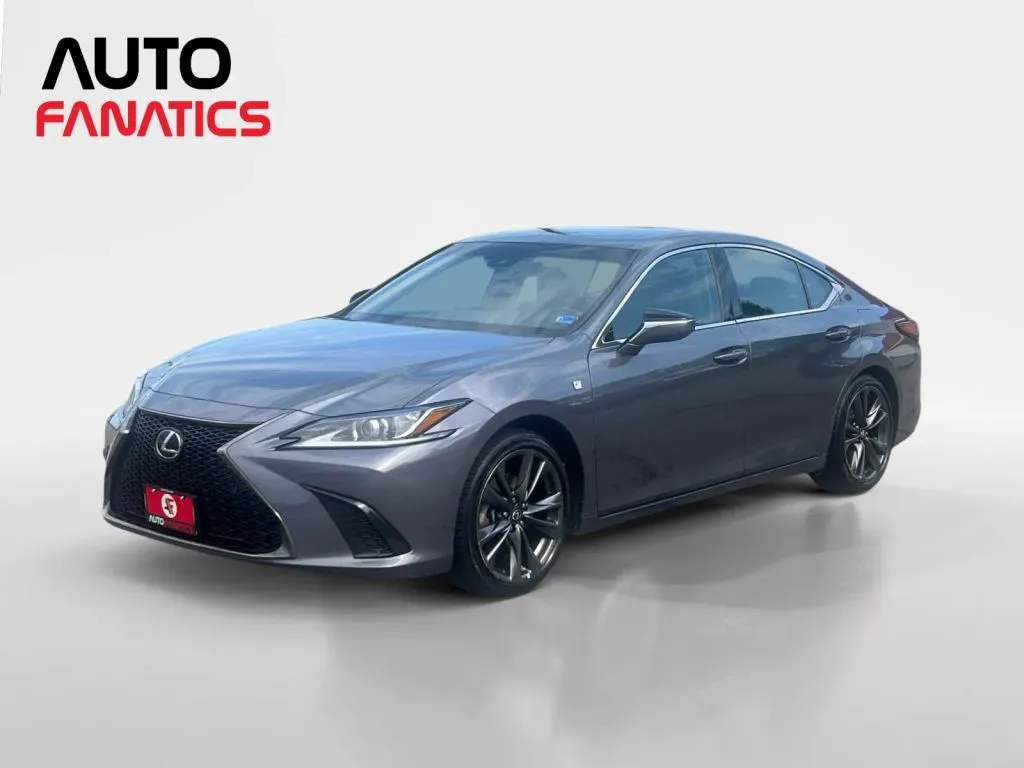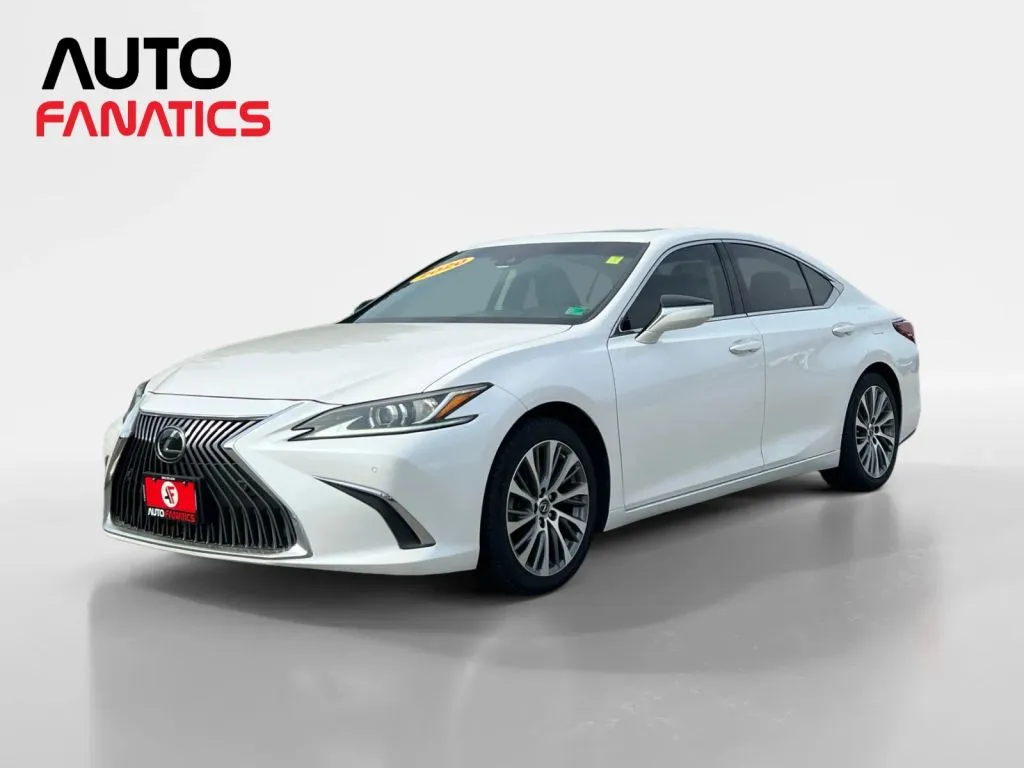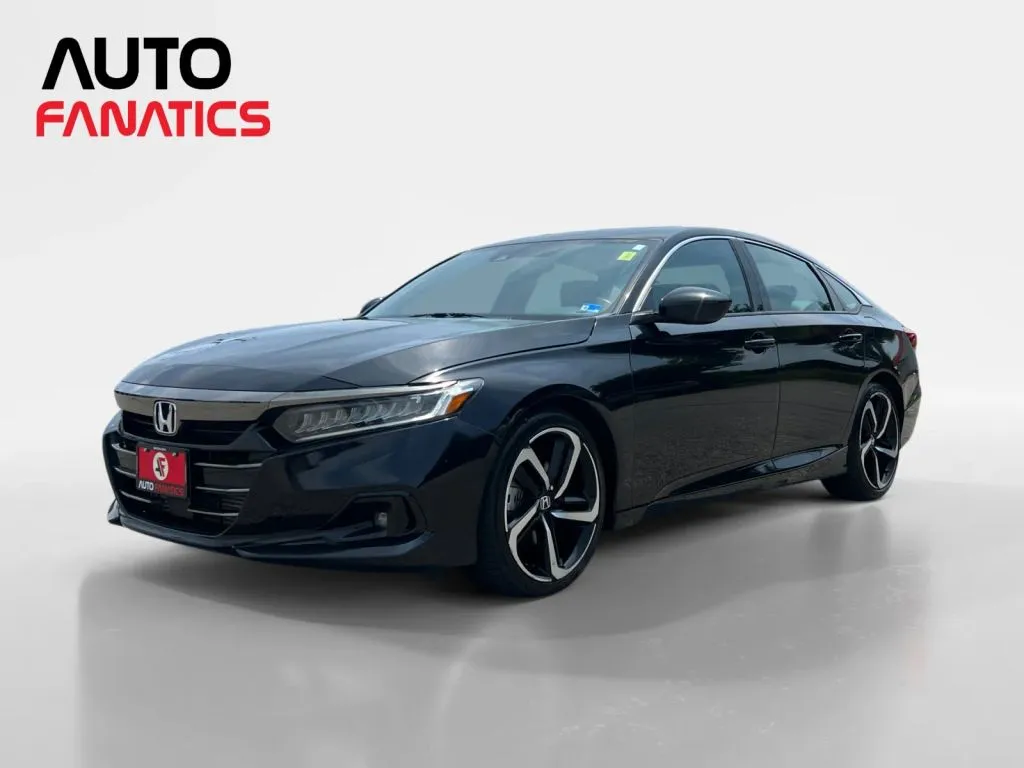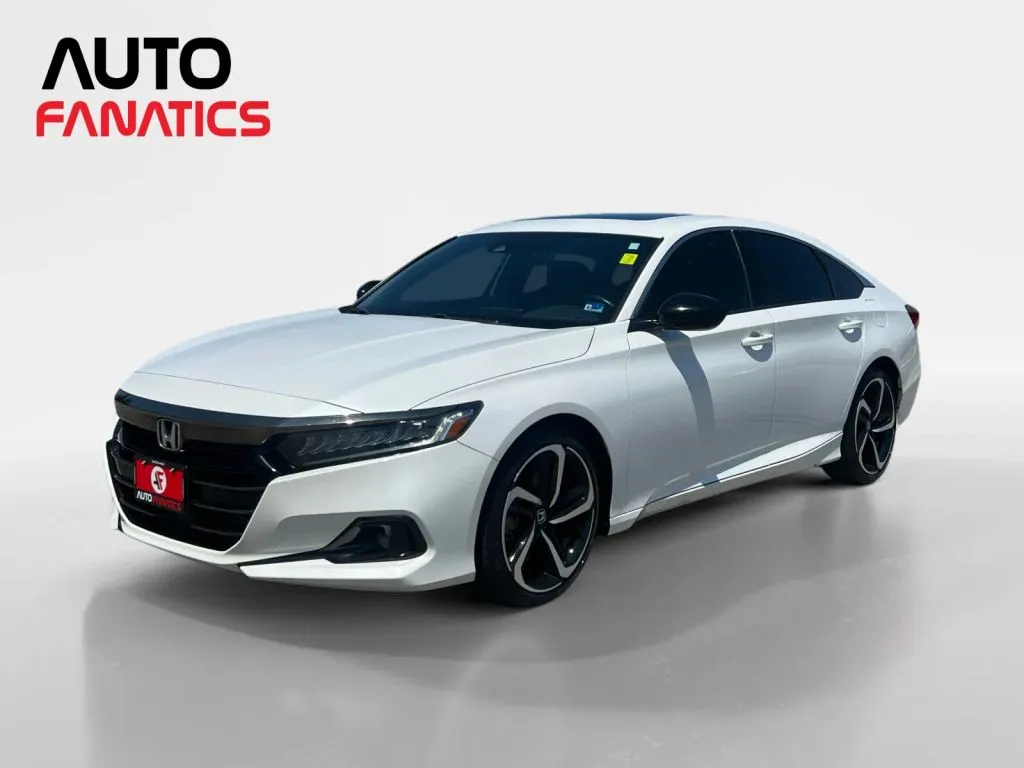
Used Vehicles Under 25K
Finding used vehicles under 25k can give Fredericksburg-area shoppers room to compare cars, SUVs, and other practical options without making the decision on price alone. The best fit depends on how you drive, what you need to carry, the vehicle’s current condition, and the full cost of ownership. A little preparation makes it easier to compare choices calmly, whether you are coming from Spotsylvania, Stafford, Culpeper, Woodbridge, or King George.
Browse used vehicles in Fredericksburg
What does “under 25k” mean for your car budget?
Start by deciding what the price limit means to you. Some shoppers mean a vehicle’s advertised price. Others want the entire purchase to stay below a fixed amount after taxes, title, registration, dealer fees, and any optional products. These are not the same target, so identify which one matters before comparing listings.
If your total available budget is $25,000, leave room for costs beyond the advertised vehicle price. Ask for an itemized, written breakdown before you decide. The breakdown should make clear which amounts are required and which are optional. Do not assume a payment estimate includes every purchase cost.
Next, set a monthly amount you can manage without stretching other household expenses. A lower monthly payment is not automatically a lower total cost. The term, interest rate, down payment, and amount financed all affect the payment. Compare the total amount you would pay over the loan, not just the monthly figure.
It also helps to keep a reserve for ordinary ownership costs. Fuel, insurance, tires, maintenance, and unexpected repairs vary by vehicle and by driver. You do not need to predict every expense precisely. Instead, avoid using every dollar of your budget for the purchase itself.
A simple budget worksheet can keep comparisons consistent. For each vehicle, record the advertised price, any required charges, expected insurance cost, and the financing terms you are considering. Add a line for routine costs such as fuel and maintenance, then note what remains for savings or unplanned needs. The goal is not to predict every future bill. It is to notice when one option leaves much less flexibility than another.
If you are shopping with another person, agree on the spending limit and must-have features before visiting. That makes it easier to compare the same priorities and avoid letting a single appealing feature change your budget in the moment.
How should you narrow down used vehicles under 25k?
Write down the tasks the vehicle needs to handle in a typical week. Consider your commute on I-95, school or work trips, errands, passengers, cargo, and any regular highway driving. A clear list helps you compare vehicles based on real use instead of focusing only on make, model, or appearance.
- Passenger space: Count the people who ride with you most often. If you use child seats, bring them along so you can check fit and access.
- Cargo needs: Think about groceries, sports gear, work equipment, strollers, or luggage. Check the opening and load height, not only the amount of space behind the seats.
- Driving pattern: A frequent highway commute may make seat comfort, visibility, and road noise important. Short local trips may put more emphasis on easy parking and maneuverability.
- Weather and road conditions: Consider the routes you actually use and the type of traction or ground clearance that suits them. Do not pay for a capability you will rarely need.
- Features: Separate must-haves from nice-to-haves. A short list makes it easier to avoid paying more for features that do not improve your daily drive.
Once you have the list, compare a few body styles rather than looking at only one. A sedan may be comfortable for commuting and easier to park. An SUV may offer a higher seating position or a more flexible cargo area, but size and fuel use vary. A minivan can make passenger access easier for some families. A pickup is useful when its bed or towing capability matches a real need.
Think about the trade-offs you will notice every day. A larger vehicle may be easier for passengers to enter, but its size can affect parking in a crowded lot or driveway. A smaller car can be simple to maneuver, but check whether its rear seat and cargo space work for your household. Compare seating comfort from both the driver’s seat and the passenger seats, and check whether the controls are easy to reach. If you carry bulky items, bring measurements or an example item so you can assess the space rather than relying on a listing description.
Use inventory filters as a starting point, then check each listing’s details. You can explore cars and sedans, compare used SUVs, or browse passenger vans and minivans. Availability changes, so confirm the current advertised price and vehicle details before making plans.

Which details matter when comparing listings?
Compare vehicles with the same checklist. Note the advertised price, model year, mileage, body style, equipment, and any details provided about condition or ownership. If an important detail is missing, ask the seller rather than filling in the gap yourself.
Mileage is one clue, not a complete measure of a vehicle’s condition. How the vehicle was used and maintained also matters, and two vehicles with similar mileage may have different histories. Be cautious about mileage that seems unusually low for the vehicle’s age. The University of Kentucky’s used-car buying tips recommend asking a seller to sign a statement confirming that very low mileage is correct: read the University of Kentucky’s guidance on buying a used car.
Ask what records or other information are available for the specific vehicle. A history report, when provided, can be useful, but it does not answer every question about present condition. Read any report carefully and ask for clarification about details you do not understand. Do not treat an unavailable record or an unanswered question as proof that there is no issue.
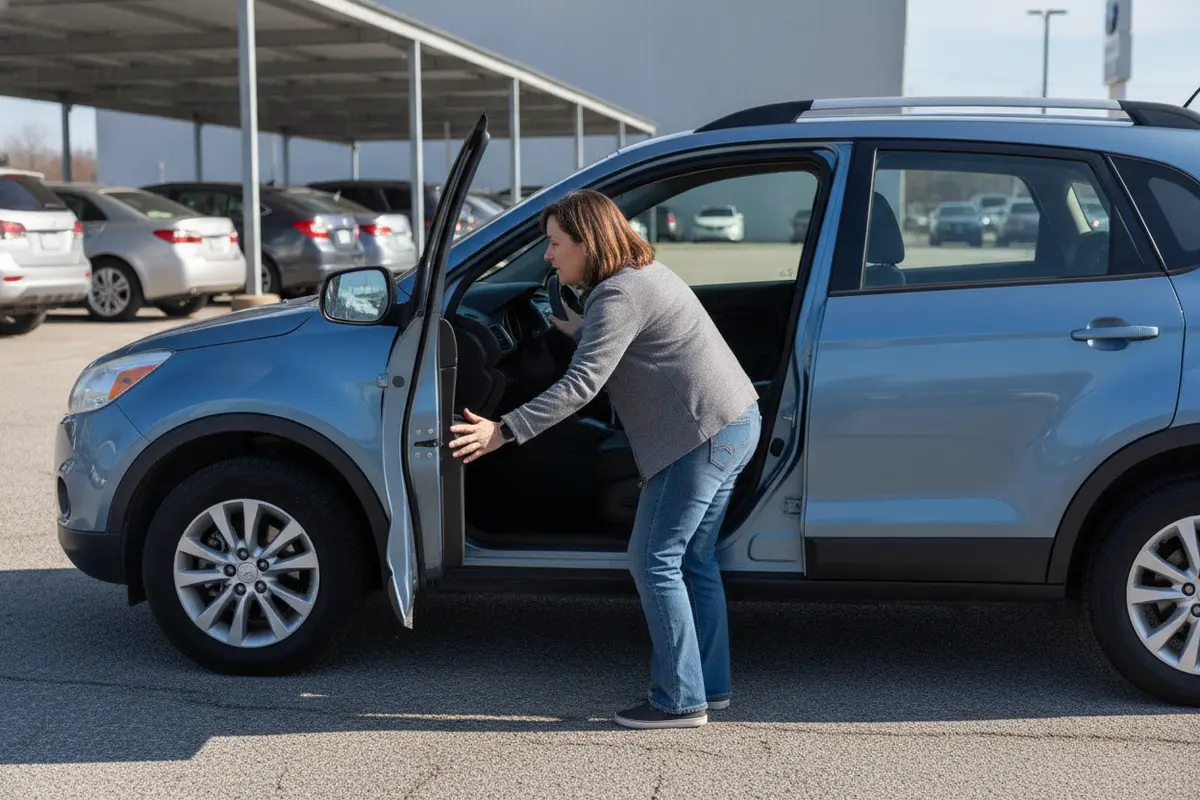
Plan time to see the vehicle in person. Look over the exterior in good light and note anything you want explained. Inside, try the seating position, visibility, controls, and cargo area. During a test drive, pay attention to comfort, braking, steering, and sounds that seem unusual to you. If you are unsure how to assess a vehicle, consider arranging an independent evaluation with a qualified mechanic before purchase.
Keep your notes factual and specific. Instead of writing “good condition,” record what you observed, what the seller explained, and what you still want to check. For example, note whether a feature worked during your visit or whether a question about a record is still unanswered. If you compare more than one vehicle, this makes it easier to remember the differences after several test drives. Give yourself time to review the information rather than feeling that you must decide on the spot.
For another comparison point, browse used cars currently listed and used SUVs in the local inventory. Listings help you make a shortlist, but the actual vehicle and its paperwork should guide your decision.
How can you compare vehicle types and costs?
The table below is a planning tool, not a promise that every vehicle in a category will have the same cost or features. Model, age, condition, equipment, and driving habits can all change the result. Use it to decide what to investigate for each specific listing.
| Option | May suit you if | What to compare | Question to ask yourself |
|---|---|---|---|
| Sedan or hatchback | You want a commuter or a vehicle for everyday errands | Seat comfort, cargo opening, visibility, fuel needs, and condition | Will passengers and everyday items fit comfortably? |
| SUV | You need flexible passenger or cargo space | Interior layout, access, size, fuel use, and the condition of the specific vehicle | Will the added space be useful often enough? |
| Minivan | Easy passenger entry and adaptable seating matter | Seat access, cargo room with seats in use, controls, and condition | Does its layout work for the people who ride with me? |
| Pickup | You regularly carry bulky items or need a truck bed | Cab and bed size, intended use, equipment, and any relevant maintenance details | Do my regular tasks require a pickup? |
Then compare the expected costs for the particular vehicles on your shortlist. Ask about the price and required fees, check insurance costs with your insurer, and consider fuel and maintenance needs. If two vehicles are close in price, an option with the right equipment and a condition you feel comfortable with may be a better fit than one with extra features you will not use.
For a targeted comparison, you can also browse sedans, pickup trucks, and hybrid vehicles. These pages can help you explore body styles, but always verify current listing details because inventory can change.
When you compare the table’s categories, look for the actual configuration rather than assuming every vehicle in a body style offers the same layout. Some sedans have folding rear seats, and cargo shapes differ. SUV seating and storage can vary by trim and model year. Minivan seating may be removable or adjustable, so confirm how it works on the vehicle in front of you. Pickups can differ in cab and bed proportions. These details affect whether the vehicle solves your everyday problem, so use the listing to make questions and verify answers in person.
What should you ask before you visit?
A short call or message before a trip can save time, especially if you are driving from outside Fredericksburg. Confirm that the vehicle is still available and ask the seller to clarify any listing detail that affects your decision. If the price is central to your budget, ask for the current price and an itemized estimate of required purchase costs.
- Can you confirm the current advertised price and whether the vehicle is available?
- What equipment or vehicle details should I verify in person?
- What records, if any, are available for this vehicle?
- Can I arrange a test drive, and what do I need to bring?
- Which purchase charges are required, and which products are optional?
- What financing information can you provide after reviewing my situation?
Write down the answers and compare them with your other choices. A clear response should help you understand the next step without requiring you to commit before you have reviewed the vehicle and the terms. Auto Fanatics emphasizes upfront pricing and a no-pressure buying experience, and has more than 500 five-star reviews. You can also read customer testimonials as one part of your research.
How should financing fit into your decision?
Decide on a comfortable overall budget before you focus on a particular payment. If you plan to finance, the payment depends on factors such as the amount financed, loan term, and offered rate. A longer term can lower the monthly payment while increasing the time you owe money. Ask for the written terms and compare the total repayment amount as well as the monthly figure.
When comparing offers, use the same assumptions wherever possible. Look at the amount financed, the annual rate, the length of the loan, any required down payment, and the total scheduled payments. Ask whether the estimate includes any fees or optional products, and request a revised breakdown if the figures are unclear. If a payment fits only by choosing a longer term than you are comfortable with, consider a less expensive vehicle or a larger down payment only if it works for your finances. Do not agree to a term you have not reviewed.
Auto Fanatics offers financing options for a range of credit situations and provides access to Capital One pre-qualification. The pre-qualification process is described as having no credit impact. Pre-qualification is not the same as final approval, and it does not guarantee a particular rate or loan term. Ask what information is needed and review any offer’s terms before deciding.
If you have a trade-in, keep its value separate from the vehicle’s price when comparing offers. Ask how the trade-in amount is calculated and how it affects the total due or amount financed. That makes it easier to compare a deal with another vehicle or payment option.
Before signing, read the purchase and financing documents carefully. Make sure the vehicle price, fees, down payment, trade-in amount, optional products, and financing terms match what you agreed to. Ask for an explanation of any item you do not recognize, and take the time you need to understand the documents.
How can Fredericksburg-area shoppers make a confident choice?
Build a shortlist of a few vehicles that fit both your budget and daily needs. Compare them using the same criteria, then arrange visits for the strongest matches. If you are traveling from Stafford, Culpeper, Spotsylvania, Woodbridge, or King George, grouping questions and appointments can make the trip more useful.
- Set a price ceiling. Decide whether your limit applies to the advertised price or the full purchase amount, and keep space for ownership costs.
- Choose practical requirements. List passengers, cargo, commute, must-have features, and any vehicle type that suits your everyday use.
- Compare listings consistently. Record price, mileage, equipment, and available documentation, then ask about information that is unclear.
- See and drive your top choices. Check fit and comfort in person, and consider an independent evaluation if you want additional insight.
- Review the written terms. Confirm the total price and financing details before making a final decision.
Stay flexible about make and model if your first choice does not meet your needs or budget. The right vehicle is the one that fits your actual routine and the terms you understand, not simply the one with the most features. A patient comparison can help you use the under-$25,000 budget thoughtfully.
Explore available used vehicles
Frequently Asked Questions
Does a vehicle advertised below $25,000 keep the total purchase under $25,000?
Not necessarily. Taxes, title, registration, required fees, and any selected optional products can affect the total. Ask for an itemized breakdown and confirm whether your budget applies to the advertised price or the full purchase amount.
Should I choose a lower-mileage vehicle over a newer one?
Not based on mileage alone. Compare age, available records, condition, equipment, and how the vehicle feels during an in-person visit and test drive. Ask questions about mileage that seems unusual for the vehicle’s age.
Can I get financing if my credit history is limited?
Auto Fanatics works with financing options for a range of credit situations, including limited credit histories. Any approval, rate, and terms depend on the lender’s review. Ask about Capital One pre-qualification and review the final offer before you commit.
What should I bring when I visit a dealership?
Bring your questions, a list of must-have features, and any items you need to check for fit, such as a child seat. If you plan to discuss financing or a trade-in, ask ahead what information or documents would be useful for that conversation.
With a clear budget, a practical shortlist, and time to review each vehicle and its terms, you can compare used vehicles around Fredericksburg with greater confidence.