How to Choose a Virginia Used Vehicle Dealer
Walking onto a car lot without a plan can feel like showing up for a test you didn't study for. But with a little preparation, you can transform the entire experience from stressful to successful. When you know what you want, what you can afford, and what questions to ask, you're in complete control. This isn't about outsmarting a salesperson; it's about partnering with them to find the perfect vehicle for your life. This guide will walk you through the essential steps to take before you even leave your house, from securing financing to researching reviews. You'll learn how to confidently approach any Virginia used vehicle dealer as an informed, empowered buyer ready to make a great decision.
Key Takeaways
- Look for Proof of Trust: A great dealership operates with transparency. Before visiting, check for their state license, read through recent customer reviews, and confirm they offer clear, upfront pricing without hidden fees.
- Know Your Numbers Before You Go: Walking in with a clear budget is your best tool. Get pre-approved for a loan to understand what you can afford, which simplifies the process and puts you in a stronger position.
- Insist on the Car’s Full History: Don’t settle for guesswork. A trustworthy dealer will readily provide a complete vehicle history report and be open about their multi-point inspection process for every car on their lot.
How to Find a Trustworthy Virginia Car Dealer
Shopping for a used car should be exciting, but finding a dealer you can trust can feel like a job in itself. The good news is that there are clear signs that separate the great dealerships from the ones you should avoid. By focusing on a few key areas like licensing, customer feedback, pricing honesty, and vehicle quality, you can confidently find a partner who will help you get into a reliable car without the stress. It’s all about knowing what to look for before you even step onto the lot.
Check for Licenses and Certifications
First things first: a legitimate dealer must be licensed by the state of Virginia. This isn't just a piece of paper; it means they are legally required to follow state and federal laws designed to protect you, the buyer. For example, licensed dealers must comply with the FTC's Red Flags Rule, which helps prevent identity theft during the financing process. Think of it as a baseline for professionalism. If a seller is operating without the proper credentials, it’s a major red flag. You can usually find this information displayed at their office or by checking with the Virginia Motor Vehicle Dealer Board.
Read Customer Reviews and Ratings
Customer reviews are your best source for an unbiased look at a dealership's reputation. Go beyond the star rating and read what people are actually saying. Are the reviews consistently positive? Do they mention a no-pressure sales environment and helpful staff? Pay attention to how the dealership responds to negative feedback, too. A dealer that stands by its service will be engaged and willing to make things right. With over 500 five-star ratings, our customer reviews show our commitment to creating a positive experience for every person who walks through our doors. A transparent dealer will also never hesitate to provide a vehicle history report.
Look for Transparent Pricing
Honest pricing is a cornerstone of a trustworthy dealership. You should be able to get a clear, straightforward price without worrying about last-minute hidden fees. If a deal seems too good to be true, it probably is. A car priced significantly below market value often has a hidden reason, like a spotty history or mechanical issues. A great dealer will provide a clear breakdown of costs and help you understand the numbers. Using a car loan calculator beforehand can also help you estimate your monthly payments and walk in with a clear budget, making it easier to spot any pricing games.
Ask About Their Vehicle Inspection Process
You deserve to know that the car you’re buying is safe and reliable. That’s why you should always ask about the dealership’s vehicle inspection process. A reputable dealer will perform a thorough, multi-point inspection on every car before it’s listed for sale and will be happy to tell you what they check for. Don’t be shy about asking to see the inspection report or inquiring about the vehicle’s maintenance records. A lack of clear answers or missing paperwork can be a red flag. At Auto Fanatics, every vehicle in our inventory undergoes a meticulous inspection to ensure it meets our high standards for quality and safety.
What Kinds of Vehicles Can You Find?
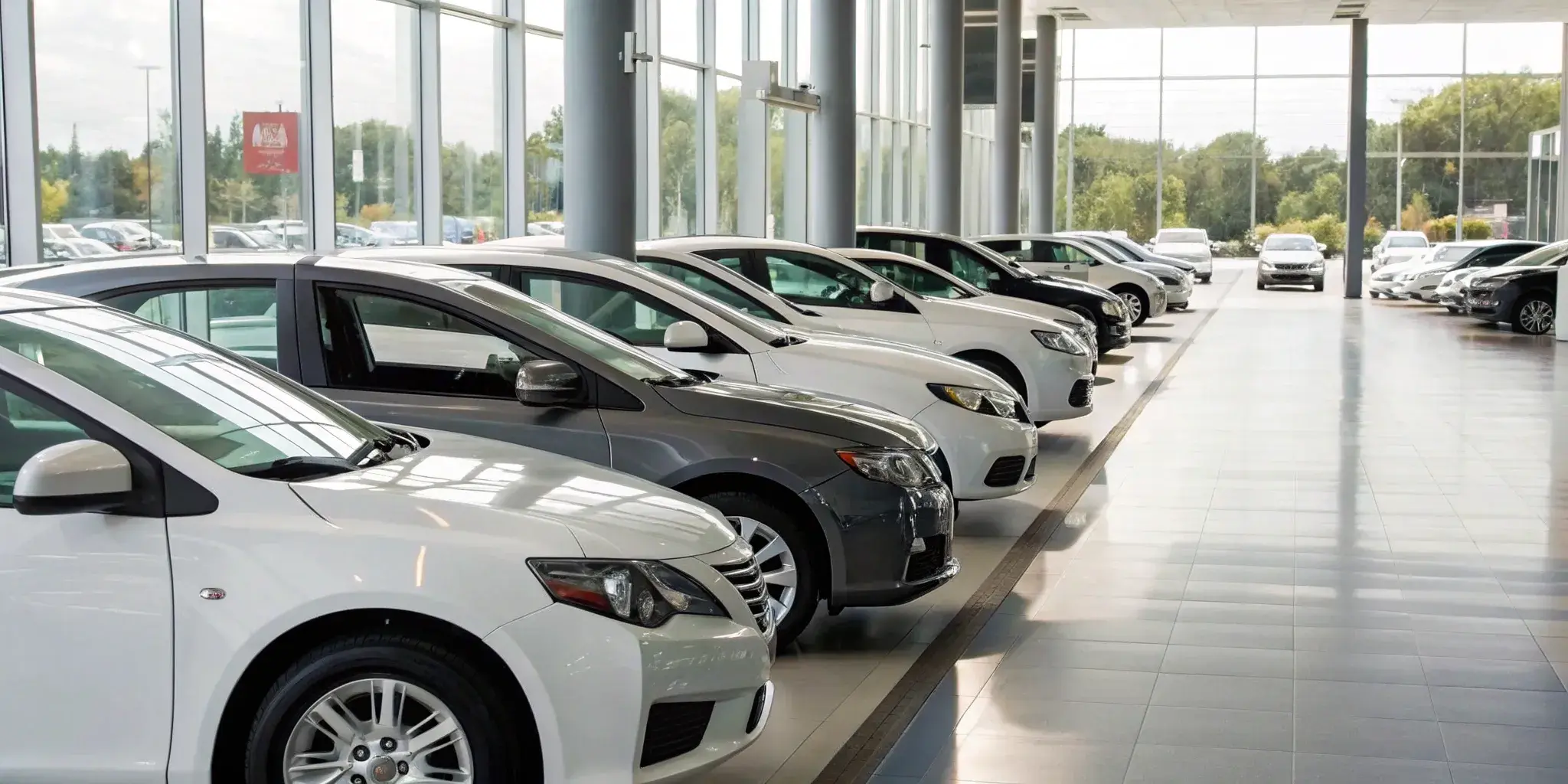
When you start looking for a used vehicle in Virginia, you’ll quickly see that the options are nearly endless. A great dealership isn’t just a parking lot full of cars; it’s a curated collection designed to meet the different needs of the community. Whether you’re a student looking for a fuel-efficient ride, a growing family needing more space, or a business owner who needs a tough work truck, the right dealer will have something for you.
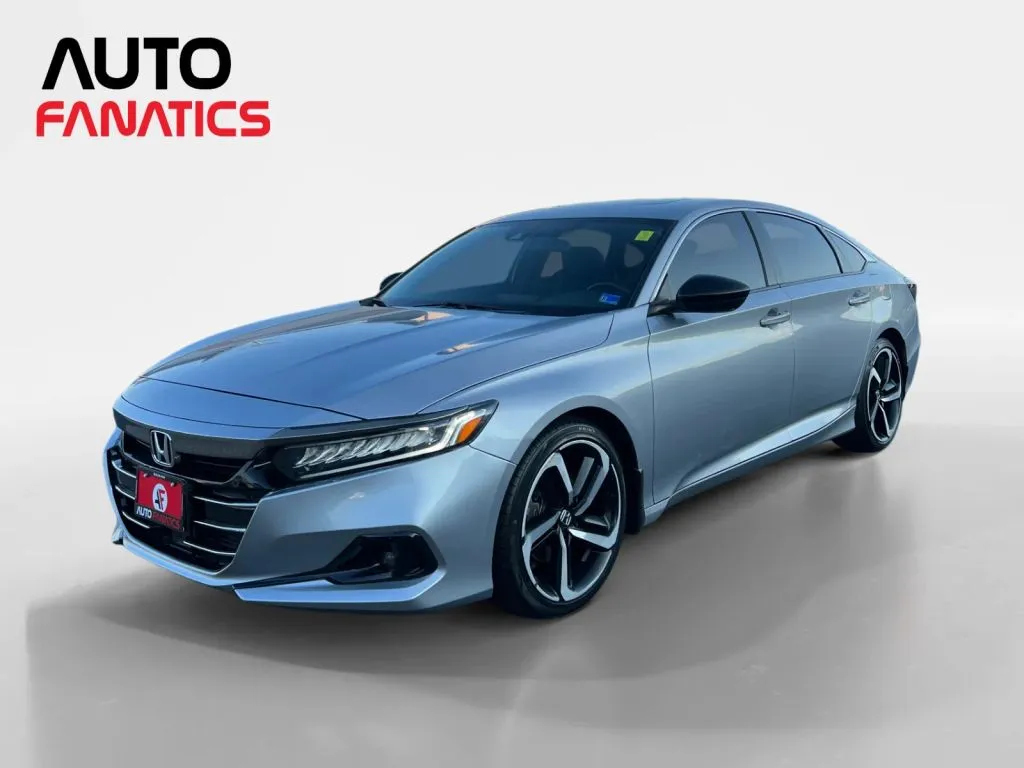
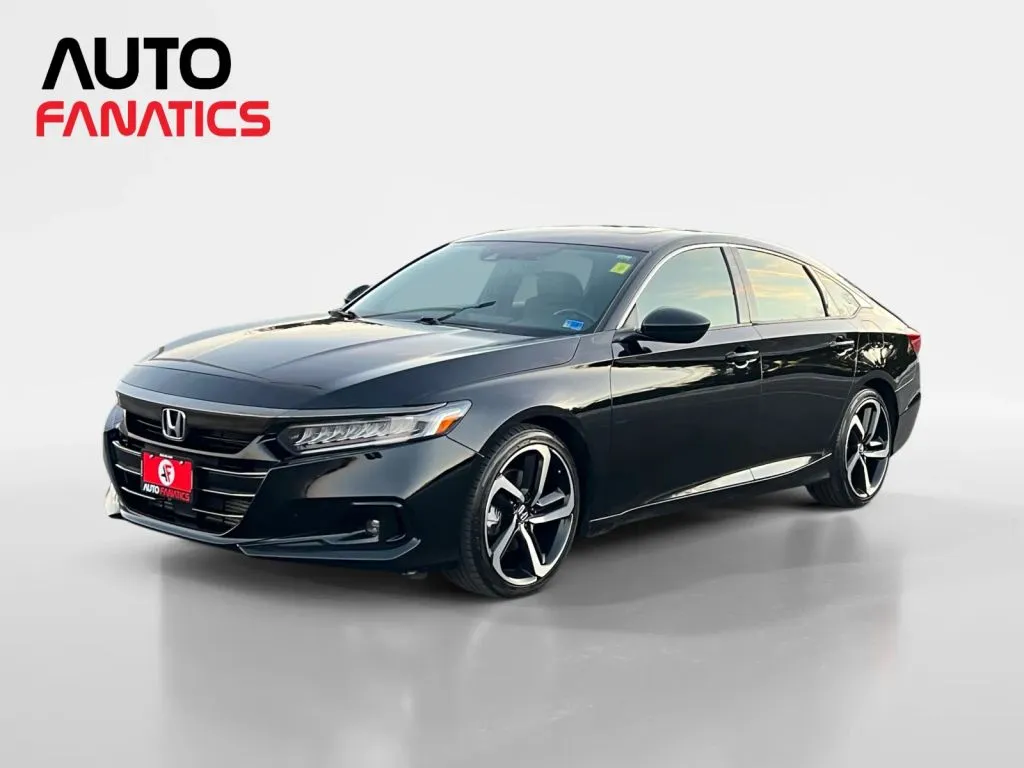
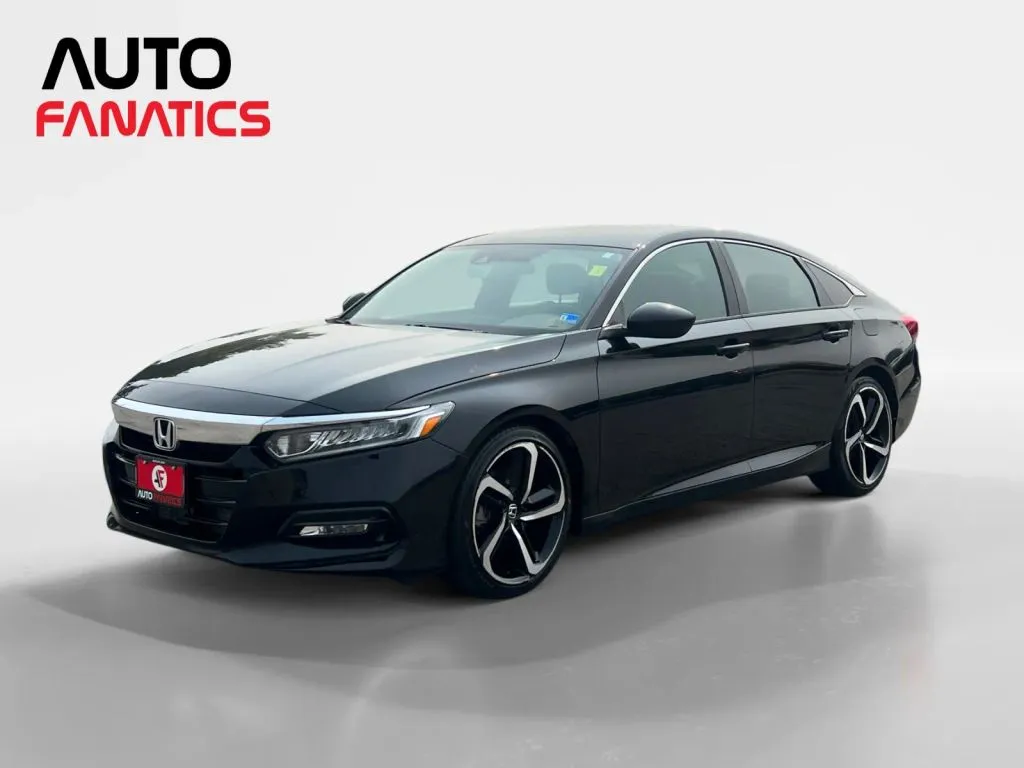
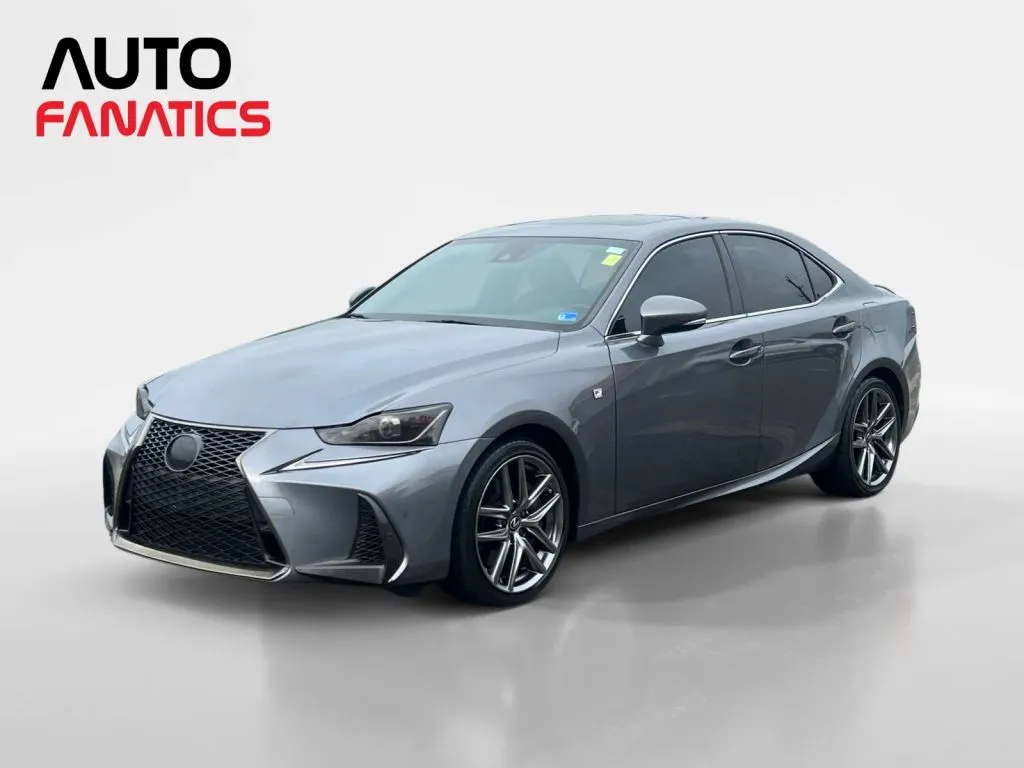
The best way to get a feel for a dealership is to browse their current inventory. A wide selection shows that they cater to a variety of budgets and lifestyles. You should be able to find everything from practical daily drivers to more specialized vehicles. A constantly updated online inventory is also a great sign, as it shows the dealer is active and transparent about what they have on the lot. This variety saves you time and energy, allowing you to compare different makes and models all in one place without having to drive all over town.
Popular Cars and Everyday Models
For daily commutes, running errands, and weekend trips, a reliable sedan or hatchback is often the perfect fit. You’ll find that most reputable dealers stock a great selection of popular cars from brands known for their dependability and efficiency, like Honda, Toyota, Nissan, and Ford. These vehicles are fantastic choices because they offer a comfortable ride, good gas mileage, and lower maintenance costs. They are the workhorses of the road, designed to get you where you need to go without any fuss. A quality used car can give you all the benefits of a trustworthy vehicle without the high price tag of a brand-new model.
Reliable Trucks and Work Vans
If your lifestyle or job demands more power and utility, a dependable truck or van is essential. Many Virginia drivers need a vehicle that can handle heavy loads, tow equipment, or navigate tougher terrain. A good dealership will have a solid lineup of trucks and work vans built to be durable and reliable. Whether you need a Ford F-150 for a job site, a Chevrolet Silverado for weekend projects, or a spacious van for your business, you can find a pre-owned option that’s been thoroughly inspected and is ready to get to work. These vehicles are built to last, making them a smart investment for personal and professional use.
Spacious SUVs for the Whole Family
SUVs have become a go-to choice for families, and for good reason. They offer the perfect blend of comfort, space, and versatility. From carpooling to soccer practice to packing up for a family vacation, a quality SUV can handle it all. Dealerships typically carry a wide range of SUVs to fit any family size and budget, including popular models from brands like Jeep, Chevrolet, and Toyota. With features like third-row seating, ample cargo space, and modern safety technology, a used SUV provides the flexibility and peace of mind every family needs on the road.
Luxury Cars and Unique Finds
Driving a high-end vehicle doesn’t have to come with a brand-new price. Many dealerships carry an impressive selection of pre-owned luxury cars that offer premium features, sophisticated style, and powerful performance at a much more accessible price point. You can often find beautiful models from brands like BMW, Mercedes-Benz, and Audi. Beyond luxury, you might also stumble upon unique finds—a sporty convertible, a rare trim package, or a classic model that you won’t see everywhere else. Exploring a dealer’s full inventory can be a bit like a treasure hunt for the car enthusiast looking for something special.
How Does Car Financing Work in Virginia?
Figuring out how to pay for your next car can feel like the most complicated part of the buying process, but it doesn’t have to be. Car financing is simply a loan that helps you purchase a vehicle over time instead of paying the full price upfront. In Virginia, you have several straightforward options for securing an auto loan, and a good dealership will walk you through each one to find the best fit for your budget and financial situation.
The basic process involves applying for a loan, getting approved for a certain amount, and then making monthly payments that cover the principal (the loan amount) plus interest. The interest rate you get depends on factors like your credit score, the loan term, and the vehicle's age. Whether you arrange financing through your own bank or directly at the dealership, the goal is the same: to get you behind the wheel of a car you love with a payment plan you can comfortably manage. At Auto Fanatics, we work with a wide network of lenders to help you get approved and find competitive rates.
Getting Pre-Approved for a Loan
One of the smartest moves you can make before stepping onto a car lot is getting pre-approved for a loan. This means you work with a bank, credit union, or online lender to determine how much you can borrow before you even start shopping. Walking into a dealership with a pre-approval letter is like having cash in hand—it shows you’re a serious buyer and gives you a clear budget to stick to. It also gives you a benchmark interest rate, which you can use to compare against any financing offers the dealership presents. Some dealerships even help you get pre-qualified with trusted partners to make the process even smoother.
Understanding In-House Financing
In-house financing is when you secure your auto loan directly through the dealership where you’re buying the car. This is an incredibly popular option because it streamlines the entire process into a single transaction. Instead of you having to shop around for loans, the dealership’s finance department does the legwork. They typically have relationships with a variety of local and national lenders and can submit your application to multiple banks to find you a competitive offer. This one-stop-shop approach saves you time and paperwork, making it a convenient way to handle your purchase and financing all at once.
What Is "Buy Here, Pay Here"?
You may have seen signs for "Buy Here, Pay Here" (BHPH) dealerships. This is a type of in-house financing where the dealership itself acts as the bank. Instead of connecting you with a third-party lender, the dealership provides the loan and you make your payments directly to them. BHPH is often an option for buyers with significant credit challenges who may not qualify for a traditional auto loan. While it can be a path to vehicle ownership for some, the interest rates are typically much higher than those from conventional lenders, so it’s important to understand all the terms before signing.
Finding Options for Challenging Credit
Worried that a low credit score will keep you from getting a car? Take a deep breath. Many people think that bad credit or no credit automatically disqualifies them from getting an auto loan, but that’s rarely the case. Reputable dealerships understand that life happens—a past bankruptcy, a divorce, or a few missed payments shouldn’t stand in your way forever. At Auto Fanatics, we believe everyone deserves a reliable vehicle. We work with all types of credit situations and will do everything we can to help you secure financing for the car you need. Don’t count yourself out before you even try.
What to Know About Warranties and Vehicle History
A great price on a used car is only part of the equation. True peace of mind comes from knowing the car is reliable and that you’re protected against unexpected issues down the road. This is where understanding warranties and the vehicle’s history becomes so important. A transparent dealer will have no problem discussing these details with you, ensuring you feel confident and secure in your purchase. Let's break down what you need to look for.
Standard vs. Extended Warranties
Most used cars are sold "as-is," but some newer models might still have a portion of their original manufacturer's warranty. This is what's known as a standard warranty. For extra coverage, dealers often offer extended warranties or service contracts. Think of these as an insurance policy for major repairs. They can cover your vehicle for a set number of months or miles, protecting you from costly surprises with the engine or transmission. While it's an added expense, an extended warranty can be a lifesaver if a major component fails, giving you confidence for the long haul.
Why You Need a Vehicle History Report
A vehicle history report is like a background check for your car, and it’s non-negotiable. Reports from services like CARFAX give you the full story, detailing previous accidents, title problems, odometer readings, and service records. A clean report is a great sign, while a report with red flags can save you from a major headache. Any reputable dealer will provide a vehicle history report for every car on their lot without you even having to ask. It’s a fundamental part of a transparent sales process and shows they stand behind the quality of their vehicles.
The Importance of Pre-Purchase Inspections
Even with a clean history report, a pre-purchase inspection (PPI) by a trusted mechanic is always a smart move. This thorough check can spot underlying issues that aren't visible during a test drive, like hidden rust or developing mechanical problems. While you can arrange for your own PPI, a top-tier dealership will have already done this work for you. At Auto Fanatics, for example, every vehicle undergoes a meticulous inspection by skilled technicians before it ever hits the lot. This commitment to quality means you can feel confident that you're driving away in a safe and reliable car.
Exploring Added Protection Plans
Beyond a standard or extended warranty, many dealerships offer additional protection plans for even greater peace of mind. These plans can cover things that typical warranties don't, such as tire and wheel damage from road hazards, key fob replacement (which can be surprisingly expensive), or even cosmetic repairs like dent removal. These a la carte options allow you to customize your coverage based on your needs and driving habits. It’s worth asking about these plans to see how they can help you manage unexpected costs and keep your car in great shape for years to come.
Red Flags to Watch For at a Dealership
Finding your next car should be an exciting process, but a negative dealership experience can quickly turn it into a stressful one. A trustworthy dealer will be patient, transparent, and focused on helping you find the right fit. Knowing which warning signs to look for will help you steer clear of dealerships that don't have your best interests at heart. If you feel pressured, confused, or rushed at any point, it’s okay to walk away. Your peace of mind is just as important as the car you choose.
Beware of High-Pressure Sales Tactics
You should never feel like you’re being pushed into a corner. High-pressure tactics are a classic red flag, and they often sound like, "This offer is only good for today," or, "I have another buyer interested, so you need to decide now." A salesperson who dismisses your questions, rushes you through the paperwork, or makes you feel guilty for taking time to think is not working in your favor. The right dealership will give you the space and information you need to make a confident decision. A dealer’s reputation is built on trust, and you can see the difference in their customer reviews.
Watch for Missing Paperwork
Every used car should come with a complete set of documents, including the title, service records, and a vehicle history report. If a dealer is hesitant to show you any of these, consider it a major warning. Missing paperwork can hide serious issues, such as a salvage title, which means the car was declared a total loss by an insurance company. Inconsistent odometer readings between documents are another sign of trouble. A reputable dealer will have all the necessary paperwork organized and ready for your review, ensuring a clear and legitimate transaction.
Avoid Dealers Who Hide a Car's History
Beyond the basic paperwork, a dealer should be an open book about the vehicle's past. If you ask about previous owners, accident history, or maintenance and get vague answers, be cautious. Every dealer should be able to provide a comprehensive vehicle history report from a service like CarFax or AutoCheck. Refusing to provide one is a clear signal that they may be hiding something you need to know. When you browse a dealer's used car inventory, you should feel confident that you have access to the full story of any vehicle you're interested in.
Question Hidden Fees and Odd Requests
If a car’s price seems too good to be true, it probably is. Some dealers lure you in with a low sticker price, only to tack on excessive "doc fees," "dealer prep fees," or other surprise charges at the last minute. Always ask for an itemized, out-the-door price before you agree to anything. You should also be wary of any unusual requests, like insisting on a cash-only transaction or asking for a large, non-refundable deposit. A transparent financing process allows you to plan your budget without surprises, and using a car loan calculator beforehand can help you spot any odd numbers.
Know Your Rights: Virginia's Car Buyer Protections
Buying a car is a big deal, and feeling confident in your purchase is everything. The good news is that Virginia has laws in place to protect you from fraud and faulty vehicles. Knowing your rights is one of the best tools you have for a smooth and successful car-buying experience. When you work with a dealership that values transparency, these protections are just part of their standard process. Let’s walk through some of the key regulations that ensure you’re treated fairly.
Understanding Virginia's Lemon Law
You’ve probably heard the term "lemon law," and Virginia has its own version called the Virginia Motor Vehicle Warranty Enforcement Act. This law is designed to protect you if you buy a new vehicle that has significant, unfixable defects. It generally applies for the first 18 months after your purchase. While the Lemon Law primarily covers new cars, it’s a great example of how the state steps in to protect consumers. Understanding this law helps you recognize the standards of quality and accountability that reputable dealers uphold, whether they’re selling new or used vehicles.
How the Consumer Protection Act Helps You
Beyond the Lemon Law, the Virginia Consumer Protection Act provides a wide safety net against deceptive business practices. One important part of this is the FTC Red Flags Rule, which helps prevent identity theft when you're financing a car. This rule requires dealers to have a written program to detect the warning signs of identity theft in their daily operations. It’s a behind-the-scenes measure, but it means that a trustworthy dealership is actively working to protect your sensitive financial information from fraud. It’s one more reason to choose a dealer who takes compliance and your security seriously.
The Federally Required "Buyers Guide"
When you look at a used car on a dealer’s lot, you should see a sticker on the window called a Buyers Guide. This isn’t just a helpful suggestion—it’s required by federal law. This guide tells you everything you need to know about the vehicle’s warranty. It will clearly state whether the car is being sold "as is" (with no warranty) or if it comes with a dealer warranty. The guide also lists any major mechanical and electrical systems and some of the common problems that can occur. The Used Car Rule ensures you get this information upfront, helping you make a fully informed decision before you sign any paperwork.
Protecting Yourself from Odometer Fraud
Odometer fraud—tampering with a vehicle's mileage to make it seem like it has been driven less than it has—is a serious crime. A car with rolled-back mileage is not only worth less, but it can also hide significant wear and tear, leading to unexpected repair bills. To protect yourself, always ask for a vehicle history report, which will show recorded mileage at different points in time. Be wary of vehicles with missing service records or titles that have been branded as "salvage." A trustworthy dealer will always be upfront about a car's history and provide the documentation to back it up, because they have nothing to hide.
Finding a Top-Rated Dealer in Virginia
Finding the right dealership can feel like searching for a needle in a haystack, but it doesn’t have to be. Across Virginia, from the bustling suburbs of NoVA to the coastal roads of Hampton Roads, great dealers stand out by prioritizing transparency, customer service, and quality vehicles. The key is knowing what to look for. A top-rated dealer will always have a strong online presence with positive customer feedback, clear pricing without hidden fees, and a willingness to provide complete vehicle histories. They operate on trust and aim to build a long-term relationship with you, not just make a quick sale. Whether you're in Fredericksburg or Richmond, the principles of finding a reliable partner for your car purchase remain the same: do your research, trust your gut, and never settle for a dealership that doesn’t put you first.
Auto Fanatics: A 5-Star Experience in Fredericksburg
When you’re looking for a dealership that truly puts your experience first, it’s hard to look past the reputation we’ve built here in Fredericksburg. With over 500 five-star customer reviews, our community has made it clear that a no-pressure, transparent car-buying process matters. We work closely with every customer to find the most affordable and convenient financing options available, ensuring you feel confident you’re getting a fair and competitive price. Our goal isn’t just to sell you a car; it’s to make sure you drive away in a reliable vehicle you love, with a financing plan that fits your life. It’s this commitment to service and integrity that makes us a trusted name in the area.
What to Look for in Northern Virginia
The Northern Virginia area has a lot of options, so it’s important to know how to spot a trustworthy dealership. Be mindful of common red flags, such as inconsistent odometer readings, missing service records, or vehicles with salvage titles. A reputable dealer will have nothing to hide and will be upfront about a car’s past. Also, be cautious of any dealer that insists on cash-only transactions, as this can be a sign of unprofessional practices. By keeping an eye out for these potential pitfalls, you can steer clear of bad experiences and find a dealer who values honesty. We believe transparency is everything, which is why we’re always open about our process and values.
Tips for Car Shopping in Richmond
As you explore dealerships in the Richmond area, one of the most important tools at your disposal is the vehicle history report. This document gives you a detailed look at a car's past, including accidents, title issues, and service history. If a dealer is hesitant or refuses to provide a history report, you should see that as a major red flag and proceed with caution. Transparency is essential when buying a used vehicle, and any dealer worth your time will gladly share this information. A complete history report empowers you to make an informed decision and ensures there are no surprises down the road when you browse their available inventory.
Finding a Great Dealer in Hampton Roads
In Hampton Roads and beyond, many dealerships offer in-house financing to make the car-buying process smoother. This allows you to secure a loan directly through the dealership, which can simplify the transaction and save you a lot of time and hassle. Instead of coordinating between a bank and the dealer, you can handle everything in one place. This convenience is a huge plus for many buyers. A great dealer will walk you through all your options, helping you understand the terms and find a payment plan that works for your budget. You can even get a head start by using an online car loan calculator to estimate your payments.
How to Prepare for Your Dealership Visit
Walking onto a car lot can feel overwhelming, but it doesn’t have to be. A little preparation goes a long way in making your car-buying experience smooth, successful, and even enjoyable. When you arrive with a clear plan, you’re in the driver’s seat of the conversation. You’ll know what you’re looking for, what you can afford, and what questions to ask to ensure you’re getting a great vehicle from a trustworthy dealer. Taking these steps beforehand helps you focus on what really matters: finding the perfect car for your life.
Do Your Homework: Research and Reviews
Before you visit any dealership, spend some time online to see what other customers are saying. A dealer’s reputation is one of the best indicators of the experience you can expect. Look for consistent themes in reviews—do people mention transparency, a friendly atmosphere, and quality vehicles? Dealerships that are proud of their service will make their customer reviews easy to find. For example, we’ve earned more than 500 five-star reviews because we’re committed to a no-pressure, honest process. Reading about others’ experiences helps you build a shortlist of dealers who have proven they take care of their customers, so you can walk in with confidence.
Secure Your Financing First
One of the smartest moves you can make is to get pre-approved for a loan before you start shopping. Knowing your approved loan amount and interest rate gives you a firm, realistic budget to work with. This puts you in a stronger position and separates the financing process from the vehicle selection process, which simplifies everything. When you have your financing in hand, you can focus entirely on finding the right car without worrying about what you’ll qualify for. Many dealerships offer easy online tools to help you get pre-qualified in minutes, giving you a clear financial picture before you even leave the house.
Define Your Budget and Vehicle Needs
Knowing what you can comfortably afford each month is key. Your budget should include more than just the car payment; remember to factor in insurance, fuel, and potential maintenance costs. A car loan calculator can be a fantastic tool for estimating your monthly payments. Next, think about what you truly need in a vehicle. Make a list of your must-haves, like seating for five, all-wheel drive, or great gas mileage. Then, list your nice-to-haves, like a sunroof or a premium sound system. This clarity helps you stay focused on vehicles that genuinely fit your lifestyle and prevents you from getting distracted by features you don’t actually need.
Come Prepared with Questions
Never hesitate to ask questions—a transparent dealer will be happy to answer them. Before your visit, jot down a list of things you want to know about any car that catches your eye. Ask about the vehicle’s history report, the dealership’s inspection process, and any reconditioning work that was performed. It’s also wise to ask about what’s included in the final price and if there are any additional fees. Inquiring about available protection plans can also give you peace of mind for the future. Having your questions ready shows you’re a serious buyer and ensures you get all the information needed to make a decision you feel great about.
Related Articles
- Where to Find Affordable Used Cars in Woodbridge
- How to Spot a Top Rated Used Car Dealer
- 6 Best Used Car Dealers in Fredericksburg, VA
- In-House Financing Car Dealers VA: A 2025 Guide
Frequently Asked Questions
What's the first thing I should do when looking for a used car dealer? Before you even think about test drives, your first step should be to check a dealership's reputation. Spend a little time online reading recent customer reviews to get a feel for how they treat people. A history of positive feedback is a great sign that you'll have a good experience. You should also confirm that the dealer is properly licensed by the state of Virginia, which ensures they are held to specific legal and ethical standards.
I'm worried my credit isn't great. Will that stop me from getting a car loan? Not at all. This is a common concern, but a less-than-perfect credit score doesn't automatically disqualify you from getting financing. Many dealerships, including ours, have experience working with people in all kinds of financial situations. We partner with a network of lenders who specialize in finding solutions for challenging credit. The best approach is to be upfront about your situation so the finance team can get to work finding a loan that fits your budget.
Is it better to get financing through the dealership or my own bank? There are benefits to both, and the right choice depends on what you value most. Getting pre-approved through your own bank gives you a clear budget and a baseline interest rate to compare. However, arranging your financing directly through the dealership is often more convenient. A good dealer's finance department can send your application to multiple lenders at once to find you a competitive rate, saving you the time and effort of shopping around for loans yourself.
What's the difference between a vehicle history report and the dealer's inspection? Think of it this way: a vehicle history report tells you about the car's past, while an inspection tells you about its present condition. The history report shows things like accident records, title issues, and previous owners. The inspection is a hands-on check of the car's mechanical and safety systems, performed by a technician to ensure it's in good working order right now. A trustworthy dealer will provide both to give you a complete picture of the vehicle's health.
Besides the price of the car, what other costs should I be prepared for? It's smart to think about the total cost of ownership. Beyond the vehicle's price, you'll have taxes and state registration fees. You should also budget for car insurance, which is a recurring cost. Some people choose to purchase additional protection plans, like an extended warranty for major repairs or coverage for tire and wheel damage, to give them extra peace of mind and protect them from unexpected expenses down the road.